


Choosing cargo seals that meet CTPAT seal requirements protects shipment integrity and gives compliance teams the records they need for an audit. The right program combines ISO 17712 high-security seals, unique serialization, controlled inventory, documented application, and consistent inspections from origin through delivery.
Ready to source certified, serialized seals? Request a quote from STiER today.
CTPAT seal requirements demand that all shipments use high-security seals that meet the ISO 17712:2013 standard to ensure every bolt or cable seal can withstand physical force. You must also maintain a strict inventory log to track every serialized seal from the moment of receipt until the cargo arrives at its final destination in the country. Customs and Border Protection (CBP) expects to see clear records of seal numbers and certificates during audits to verify that your shipments are secure and compliant. According to federal guidelines, using these certified seals is mandatory for maintaining the integrity of your supply chain and avoiding expensive cargo theft and penalties.
What do CTPAT seal requirements call for?
The Customs-Trade Partnership Against Terrorism (CTPAT) sets clear rules for cargo security. A core part of these rules involves the use of high-security seals on all loaded containers destined for the United States. To meet CTPAT-ready seal applications, businesses must use seals that pass strict strength tests. These tests ensure the seal can resist force and show if someone tried to open it.
ISO 17712 high security standards
Every seal used in a CTPAT shipment must meet the ISO 17712 standard for high-security seals. This global rule defines how seals are made and tested for physical strength. According to U.S. Customs and Border Protection (CBP), ISO 17712:2013 certification is mandatory for keeping shipment integrity. Using a seal without this proof of testing can lead to audit failures and delays at the border.
The standard groups seals into three classes: indicative, security, and high-security. CTPAT specifically calls for the "high-security" class, which includes bolt and cable seals. These products are built to survive the rough handling of global trade while protecting the goods inside. Businesses should check for the "H" mark on the seal body to verify it meets these strict rules.
Documentation and process control
Compliance is not just about the physical seal but also the process used to manage it. You must have a written plan for how you buy, store, and use seals. CBP guidelines state that seal inventories must be conducted at least once per year during internal audits. This helps ensure that no seals are lost or used by people who do not have permission.
When a container is sealed, the seal number must be recorded on all shipping papers. This creates a paper trail that auditors can follow from the start to the final delivery. Proper documentation of seal numbers and certificates is vital for a successful audit. If the numbers do not match at any point, it signals a potential security risk that must be checked right away.
Product versus process compliance
It is helpful to know the difference between a compliant product and a compliant process. A seal can be ISO-certified, but if it is not put on correctly, the shipment is not compliant. CTPAT requires staff to follow a specific seven-point check before they apply a seal. This check ensures the container has no hidden spaces or holes where someone could hide goods.
Staff must also use a "tug test" to make sure the seal is fully locked. Once the seal is in place, the number must be checked against the manifest one last time. By following these steps, you show that your company takes supply chain security seriously. This level of care reduces the risk of cargo theft and keeps your CTPAT status in good standing.
How ISO 17712 supports CTPAT compliance
The CTPAT program works to secure the global supply chain from crime. To join this program, firms must follow strict rules for cargo safety. A key part of these rules is the use of cargo seal compliance applications on all shipping containers. U.S. Customs sets the rules. All cross-border shipments must use seals that meet the ISO 17712:2013 standard for high-security seals. This rule ensures the seal is strong enough to stop theft and show clear signs of tampering.
High-security seal ratings
The ISO 17712 standard sorts seals into three main groups. These groups are indicative, security, and high-security. CTPAT members must use the high-security rating for all cargo that moves across borders. These seals are built to resist hard force and blunt attacks. They often use thick metal bolts or heavy-duty cables that need large tools to cut. By using these tough seals, you follow the CTPAT seal requirements set by federal leaders. This helps keep your goods safe while they move through ports and across oceans.
Each high-security seal must also have a unique number. This practice, called serialization, allows for better tracking. It helps you keep an eye on your cargo as it moves from one place to another. If a seal is cut and replaced, the new number will not match your log. This small check can alert you to a security breach before it is too late.
| Seal Type | CTPAT Status | Build Type | Typical Use |
|---|---|---|---|
| High-Security. | Required. | Metal bolt or cable. | Global cargo. |
| Security. | Not allowed. | Thick plastic or wire. | Empty container storage. |
| Indicative. | Not allowed. | Thin plastic strip. | Local truck deliveries. |
Check your seal documents
You should not just trust a seal because the box says it is high-security. You must check this claim with your seal supplier. Ask for a lab report that proves the seal passed every ISO 17712 test. This report shows that the seal meets rules for pull, shear, and impact. Keeping your compliance documentation in a safe place helps during a site check. Good records of seal numbers and lab papers are vital for a good audit by U.S. Customs.
If you fail to show proof of compliance, your goods could face long delays. In some cases, you might even lose your status in the CTPAT program. This loss can lead to more checks and higher costs for your business. Taking the time to check your papers now saves money and stress later. It is a simple step that protects your supply chain from end to end.
Vendor trust and audits
Buying all your security tools from one source is a smart business move. This plan is known as vendor consolidation. It helps you keep better track of your seal stock and reduces the risk of errors. When you buy from a firm with ISO 9001 quality marks, you know the seals will work the same way every time. This level of trust is needed to keep your cargo safe from theft and loss.
Cargo theft is a huge problem that costs firms millions of dollars each year. High-security seals are your first line of defense against these crimes. By using the right seals and keeping good logs, you build a strong security culture. This effort shows that your firm cares about cargo safety. It also makes your annual internal audit much faster and easier to finish.
How to choose a compliant cargo seal
Choose a cargo seal by confirming its ISO 17712 high-security certification, matching its construction to the cargo and door hardware, and requiring a unique readable serial number. Then verify that the supplier can provide testing documentation and enough consistent inventory to support your control process.
Picking the right security seal is a vital part of your shipping plan. To follow global trade rules, you must use seals that meet high standards. Most supply chain teams look for seals that stop theft and show clear signs of tampering. Using the wrong seal can lead to lost goods, fines, or failed audits. You need a seal that stays strong from the start of the trip to the end.
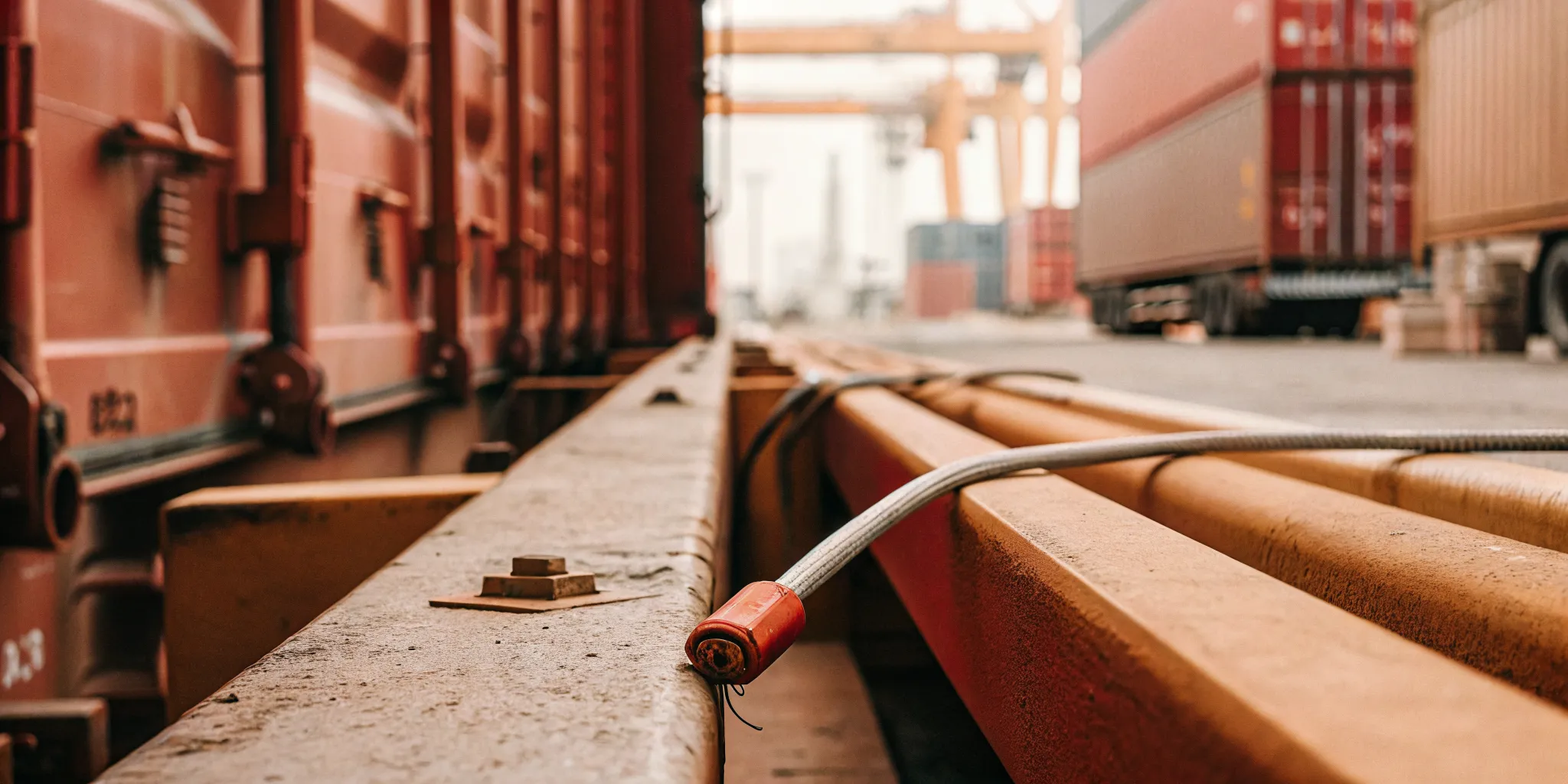
Match seal types to your cargo needs
Different shipping containers need different types of locks. For heavy ocean boxes, bolt seals are the best choice. These seals are strong and need big tools to cut. They work well for trade across borders where safety is a top goal. You can find CTPAT-compliant bulk cargo seals that fit most standard doors on trucks and ships.
Cable seals can bend to fit odd-shaped latches. These seals use a steel wire that can loop through small or thin holes. They are a good fit for valves on tankers or doors with tight gaps. Choosing the right size and pull strength is a key step to keep your goods safe. Make sure the seal you pick is made for the specific type of cargo you ship.
Verify ISO 17712 certification
The main factor in picking a seal is its official grade. Customs rules show that CTPAT seal requirements must meet the ISO 17712 high-security standard. This grade proves the seal passed tests for pull strength and impact. It ensures that the lock can stand up to bad weather and rough handling. A seal that fails these tests puts your entire shipment at risk.
Always look for the "H" mark on the seal body. This mark stands for "High Security" and shows it meets the best ISO grade. Using seals without this mark can cause long delays at the border. Customs agents may stop ships that use light-duty seals for high-value goods. Getting your supply chain seal applications from a trusted source keeps you ready for any check.
Check for unique serial numbers
A good seal must have a unique serial number. This code helps you track each box and stops a thief from swapping seals. Many firms now use barcoded seals to make scanning fast and easy. This helps cut down on human slips and makes your data more exact. Serial numbers should be bold and easy to read in dark spots or rain.
Keep a neat log of every seal code used on your containers. This list is a core part of a strong security plan. If a seal is cut, you must know the exact code that was on the door. This data helps with insurance claims and police reports if theft occurs. Top seals use laser marks to make sure the numbers do not fade or rub off during the haul.
Build a defensible seal control process
A defensible seal control process assigns responsibility for receiving, storing, issuing, applying, inspecting, and reconciling every serialized seal. Written procedures and complete logs connect the physical seal to the shipment record, helping teams identify exceptions quickly and demonstrate control during an audit.
A strong security plan starts with how you handle your seals. Meeting CTPAT seal solutions rules means more than just buying the right products. You must have a clear path for how seals move from storage to the shipping dock.
This process helps you pass audits and keeps your cargo safe from theft or tampering. A well-run system shows that your company takes supply chain security seriously. It builds trust with your partners and keeps your business moving.
Secure storage and staff access
Keep your seal stock in a locked area with limited access. Only a few trusted staff members should have the keys or codes to reach them. This step prevents seals from being lost or used without a record.
When you limit who can touch the seals, you reduce the risk of inside theft. It also keeps your supply chain tight and helps you track every item you buy. Using a few key people helps keep things simple and safe.
Every seal needs a unique serial number to track it through your system. Serial seals let you know exactly which seal is on which container at any time. This practice is a key part of CTPAT seal rules because it creates a clear chain of custody.
If a seal goes missing, you will know its number and when it was last seen in your storage room. Tracking these numbers is the best way to prove that no one has swapped a seal during transit. It protects your cargo and your brand from loss.
Inventory logs and audit prep
You must keep a detailed log of every seal you issue to your team. These records should show the seal number, the date, and the person who took it. You should also note the truck or container number where the seal was used.
These compliance records are vital when Customs and Border Protection (CBP) officers come to check your site. Good records make it easy to show that you follow the rules every day. They are the backbone of a successful audit.
Internal checks are just as important as keeping daily logs. You must conduct a full seal stock check at least once per year to stay compliant with CTPAT rules. This yearly check ensures that your physical stock matches what you have in your books.
According to CBP seal guidelines, this practice helps find gaps in your security before they become big problems. If you find a mismatch, you can fix your process before a real audit happens. It keeps your team ready for any surprise check.
Handling missing or broken seals
Have a plan ready for when a seal is lost or broken. Your team needs to know who to tell and what steps to take right away. A good plan includes a written report that explains why the seal is gone and what you did to find it.
This report should cover:
- The unique serial number of the missing seal.
- The name of the staff member who found the issue.
- The exact date and time the seal was lost.
- The steps taken to secure the container.
This shows auditors that you take seal security seriously and have full control over your process. Fast action can prevent a small mistake from turning into a major security breach. It proves that you have a written and clear process.
Written rules for staff help ensure everyone knows their role. You should review these rules often to make sure they still work for your business. A strong review part in your plan keeps staff focused on the seals they use.
This helps build a culture of security that protects your cargo. When every person knows the rules, your whole team becomes part of your security shield. It makes your supply chain much harder to break.
Use VVTT to verify seal integrity
Use the VVTT method by viewing the seal and locking hardware, verifying the serial number against shipment records. Twisting the seal to confirm engagement, and tugging it firmly to confirm it is locked. Document the result and stop the shipment if any step reveals a discrepancy.
Why VVTT matters for security
Putting a high-security seal on a load is the first step to locking your cargo. But a seal is only useful if it is set right and stays whole. To meet security seal use cases, teams use the VVTT check. This stands for View, Verify, Twist, and Tug. It is a set of steps that any dock worker can learn in minutes. Using this method stops common errors that lead to cargo theft or audit failure.
Steps to check your seals
The VVTT check should happen every time a seal is put on a truck or a shipping container to meet CTPAT seal rules. It ensures the seal is not just hanging there but is truly locked. Customs and Border Protection (CBP) lists best practices for seal procedures that include these types of real checks. By making VVTT a habit, you build a culture of security that protects your goods and your brand.
- View the seal and the door parts for any signs of damage or flaws. Look for glue, fresh paint, or scratches that might show someone tried to bypass the lock. The seal body should be smooth and the numbered ID should be easy to read.
- Verify the ID number on the seal against your bill of lading or list. The numbers must be an exact match for the shipment to be good for trade. If the numbers are off by even one digit, you must stop the load and find out why.
- Twist the seal to check that the locking parts are set. For a bolt seal, the pin should spin freely within the bush, but it should not pull out. If the seal feels loose or rattles too much, it may not be fully engaged.
- Tug on the seal with a firm, downward pull to ensure it is tight. A strong tug confirms that the locking spring or ring inside has grabbed the pin. This is the final proof that the seal will hold during the long trip to its goal.
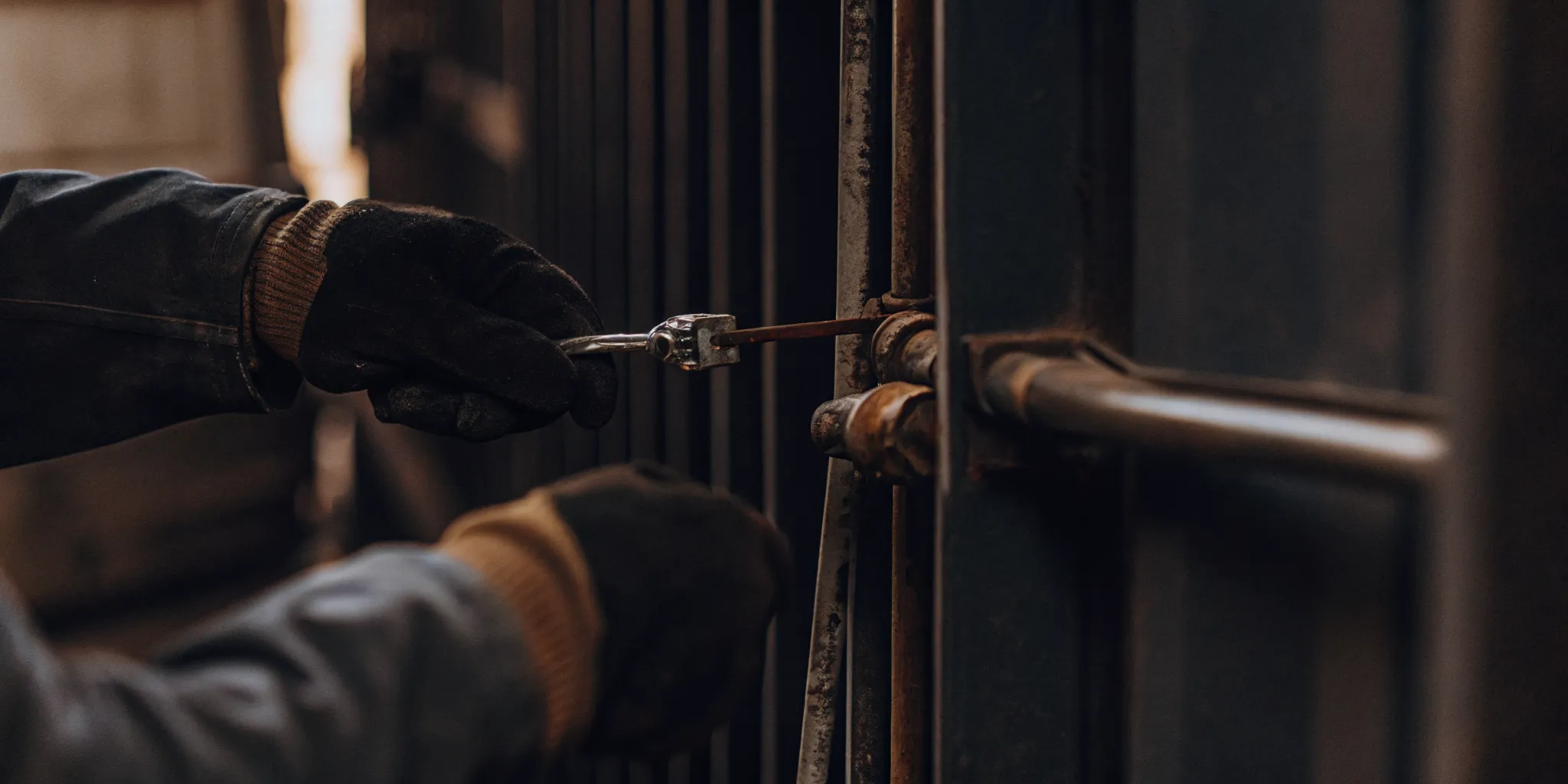
How to log seal results
Checking the seal is only half the work. You must also keep good records of every check. CTPAT rules say that you must track seal use to stay in the program. Your log should show the date, the time, and the name of the person who did the VVTT check. This paper trail is what guards use to prove the cargo was safe when it left your site.
If a seal fails any part of the VVTT test, do not let the shipment leave. A broken seal or a wrong number is a red flag for a security breach. You should report the issue to your boss and follow your firm's plan for seal issues. These small steps are a core part of CTPAT-compliant bulk cargo seals work. Keeping tight control over your seals keeps your supply chain moving without delays from law agents.
Need certified serialized seals for an audit-ready program? Request a tailored seal quote from STiER.
CTPAT seal compliance checklist
A practical CTPAT seal checklist confirms the seal is ISO 17712 high-security certified, uniquely serialized, undamaged, correctly recorded, and applied by authorized staff. Teams should also complete and document the VVTT inspection, protect unused inventory, and escalate any broken seal or number mismatch before cargo moves.
Compliance teams need clear steps to keep cargo safe. Use this list to check your seals before they ship. This helps you meet cargo security applications needs. Keeping these rules will keep your supply chain strong.
Pre-loading seal checks
Before you use a seal, look at it closely. Check the seal for marks or dents that show it was used before. Every seal must have a unique number. Make sure the number is easy to read and clear. You should also check the seal type. CTPAT rules say you must use high security seals that meet the ISO 17712 standard. Look for the "H" mark on the seal body to prove it is a high security part. Using the wrong seal can lead to big fines. It also puts your cargo at risk of theft or loss.
The VVTT check process
CBP suggests a simple four-step check for every seal. This is called the VVTT method. It stands for View, Verify, Twist, and Tug. You must do this for every shipment that enters the country. Shipments must follow official seal procedures to pass audits. If a seal fails the pull test, you must replace it right away.
- View: Look at the seal and locking parts. Check for signs of tampering or damage.
- Verify: Check the seal number against your shipping papers.
- Twist: Twist the seal to confirm it remains properly engaged and shows no signs of tampering.
- Tug: Pull on the seal to make sure it is locked tight.
Good logs are the key to a good audit. Keep a record of who put the seal on and when. You also need to track who checked the seal at each stop. This creates a chain of custody that CBP can verify. Store your seal logs for at least one year. These records show that you take security seriously. They are often the first thing an agent will ask for during a check.
Handling broken seals
What do you do if a seal is broken? First, stop the loading process. Do not move the cargo until you find out what happened. Call your boss and record the state of the seal with photos. You must also tell the shipper and the buyer about the broken seal. If you suspect theft, call the police or CBP. A full incident report should list the time, location, and people present when you found the break.
Use a new CTPAT-compliant bulk cargo seal to secure the load again. Write down why you changed it in your fixed log. Note the old number and the new number clearly. This keeps your records straight for any future audit or check. Keeping online copies can help you find info fast when you need it. You can also share these files with your team to improve your site security over time.
Ready to strengthen your CTPAT seal process? Talk with STiER about certified cargo seals.
Frequently Asked Questions
Are all cargo seals CTPAT compliant?
No, only certain high-security seals meet the standards for this program. To be compliant, a seal must have a "high security" rating under the ISO 17712 rules. Standard plastic or lead seals do not offer enough strength to prevent illegal access. According to STiER, using the wrong seal type can lead to audit failures and costly fines. Companies must check the status of each seal before using it for global trade.
Are bolt seals required for CTPAT compliance?
Bolt seals are the most common choice for securing containers, but they are not the only option. You can also use cable seals as long as they meet the ISO 17712 high-security grade. The key is that the seal must withstand physical force and show clear signs of tampering. U.S. Customs and Border Protection requires these seals for all cross-border shipments to keep cargo safe from theft or illegal crimes.
Does CTPAT require serialized seals?
Yes, unique serial numbers are a vital part of cargo security. Each seal must have a distinct number to help track and audit shipments. Serialized seals prevent a thief from swapping a broken seal with a new one that has the same look but no matching number. This practice helps managers spot tampering early in the supply chain. Using serialized security seals ensures that every container has a proof of identity that matches its shipping papers and cargo logs.
What happens if a seal is found broken during transit?
If you find a broken seal, you must report it right away to the proper officials. You should not open the cargo until a supervisor or customs officer can inspect it. A broken seal may mean someone tampered with the goods or tried to steal them. Keeping a record of the incident with photos and logs is necessary for a successful CBP audit. Prompt action helps protect your company from legal risk and keeps your supply chain secure.
Ready to secure your supply chain and follow CTPAT seal rules?
Failing to use the right security seals can lead to failed audits and high fines that put your firm at risk every single day. If you wait to update your security rules, you may face long delays that disrupt your shipping timeline and hurt your bottom line for months. Starting your safety plan now ensures that every shipment moves through customs with no issues while keeping your cargo safe from theft or any tampering.
Ready to contact an expert? Request a quote for certified serialized security seals to protect your cargo today. We help you stay safe and follow all trade laws so your goods arrive on time every single time.