


ISO 17712 high security seal certification explained
A broken container seal can halt a global supply chain and lead to massive financial losses. Security managers must use the right hardware to prevent theft and keep cargo safe during transit.
Get a Quote for ISO 17712 high-security seals
The ISO 17712 high security seal certification explained covers global rules for metal seals used when shipping goods to stop theft and show signs of tampering. According to U.S. Customs and Border Protection, this standard sets basic steps for the testing of seals and auditing of manufacturers to keep cargo safe. The standard puts seals into three distinct groups, and shipping firms use these tested seals to meet CTPAT rules and protect cargo during long trips. To earn this mark, products must pass physical strength tests in independent labs while makers pass strict security checks of their business steps at every level. Using these high security seals helps logistics teams follow laws and ensures that any attempt to open a container leaves behind a clear visual trail.
Learning these rules is the first step toward securing your fleet and staying safe under global trade laws. For broader import and export requirements, read CTPAT Cargo Seal Compliance: The Complete Guide for Importers and Exporters. To start, we must define What is ISO 17712 and who governs it? so you can find the right tools. The path begins with understanding the standard, its classifications, and its independent testing requirements.
ISO 17712 High Security Seal Certification Explained: What is ISO 17712 and who governs it?
ISO 17712 is the international standard that classifies and tests mechanical freight container seals. The International Organization for Standardization publishes the requirements, while qualified independent laboratories test individual seal models and outside auditors review manufacturer security practices. Compliance therefore requires more than a manufacturer's claim.
ISO 17712 is the top global set of rules for mechanical freight container seals. It creates a fair way to group and test the locks used on shipping boxes to keep goods safe. This ISO 17712 high security seal certification explained guide shows how these rules help stop theft and keep trade moving. The standard ensures that every seal used in world trade meets high goals for strength and design. It also helps customs agents know which seals are tough enough for high-risk routes.
How the three seal classes work
The rules sort seals into three main groups based on how hard they are to break. These classes help you pick the right lock for your cargo risk level:
- Indicative seals: These are for low-risk use and show if someone opened a door.
- Security seals: These are stronger and need light tools to remove.
- High Security seals: Also known as "H" seals, these are the toughest and most secure.
High Security seals must pass hard physical tests to prove they can stop a thief. According to the U.S. Customs and Border Protection, C-TPAT rules require these "H" seals for most cargo moving across borders. Choosing the right seal from different cargo security applications is the first step in a good security plan.
Who sets the rules and runs the tests?
The International Organization for Standardization, or ISO, writes the rules for these seals. However, ISO does not test the seals or give out proof itself. Instead, they set the bar that others must hit. For a seal to get a real stamp of trust, it must go through a neutral test lab. These labs must show they have the right skills, known as ISO/IEC 17025. This ensures the lab knows how to test the metal and cable strength in the right way. The labs check if a seal can handle being pulled, bent, and crushed without failing. This neutral check is what makes the standard work for everyone in the supply chain.
What makes a seal ISO 17712 compliant?
A seal is only compliant if it meets three main needs. First, it must pass strength tests in a neutral lab. Second, the maker must pass an audit of their security steps. Third, the seal must show clear signs if someone tries to open it. The audit check ensures that the maker has good control over their stock and shipping. This stops extra seals from falling into the wrong hands. It also confirms that every seal number is unique and tracked. True proof is not just a claim on a box. It is a full check of the seal's strength, the maker's habits, and the design's ability to show foul play. You should always ask for lab proof before you buy.
The three ISO 17712 seal classifications: I, S, and H
ISO 17712 groups mechanical seals into Indicative, Security, and High Security classes according to their tested barrier strength. Indicative seals primarily reveal opening, Security seals require tools to remove, and High Security seals pass the toughest physical tests for international container cargo and CTPAT use.
The ISO 17712 standard sets uniform rules for how mechanical freight container seals are tested and grouped. This system helps shippers find the right level of barrier strength for their cargo. Under this rule, seals fall into three main classes based on their physical strength and how much force they can take before they break. These groups are Indicative (I), Security (S), and High Security (H).
Class I for basic tamper evidence
Indicative seals are the lightest class in the group. They are not built to be a strong physical barrier. Instead, their main job is to show clear proof if someone tries to open them. These seals are often made of plastic or thin metal and are easy to remove by hand or with simple snips. You would use these for short hauls, post bags, or light duty trailer doors where theft risk is low but tracking is needed.
While Class I seals show evidence of a break, they do not offer much security against forced entry. For cargo that needs more care, STiER provides options like the Plastic Seal DS-F. This indicative seal uses a metal insert to stay secure while still being easy for workers to use in high volume settings like mail or retail logistics.
Class S for mid-range protection
Security seals sit in the middle of the strength scale. These seals are built to be tougher than indicative seals and require tools to remove. They offer more barrier capacity, which helps stop casual theft or quick entry. Shippers use these for cargo that needs a bit more safety than a simple plastic tag can give. Such as domestic freight or bonded goods moving between local hubs.
It is a common mistake to call these seals "R" seals, but the real name is Class S. These are often used on trucks and rail cars where the load is valuable but does not need to meet the highest border rules. A good choice for this level is a fixed length cable seal. These use steel wire to provide a firm lock that stands up to rough handling while keeping the cost lower than the top class.
Class H for maximum cargo security
High Security seals are the strongest class defined by ISO 17712 standards. To earn the H rating, a seal must pass tough tests for pull, shear, and bend strength in an approved lab. These seals are the global gold standard for shipping. They are made from heavy steel and thick cables that require large bolt cutters or cable shears to remove. This class is designed to keep cargo safe across long ocean routes and busy ports.
For many businesses, using Class H seals is not just a choice but a rule. The CTPAT program requires the use of "H" class seals for all US-bound cargo. This ISO 17712 high security seal certification explained means your goods are less likely to be tampered with or delayed at the border. STiER offers certified bolt seals that meet these high bars to help you stay compliant and protect your high value assets during international trade.
| Seal Class | Strength Level | Common Use Case | Removal Tool |
|---|---|---|---|
| Indicative (I) | Low Strength | Post bags and retail logistics | Hand or simple snips |
| Security (S) | Medium Strength | Domestic truck and rail freight | Light duty wire cutters |
| High Security (H) | High Strength | Cross border ocean containers | Heavy duty bolt cutters |
What tests must a seal pass to earn H classification?
To earn an H classification, a mechanical seal model must pass tensile, shear, bending, and impact testing by a qualified independent laboratory. These tests measure resistance to pulling, cutting, deformation, and temperature-related impacts. The design must also provide visible evidence when someone attempts to tamper with it.
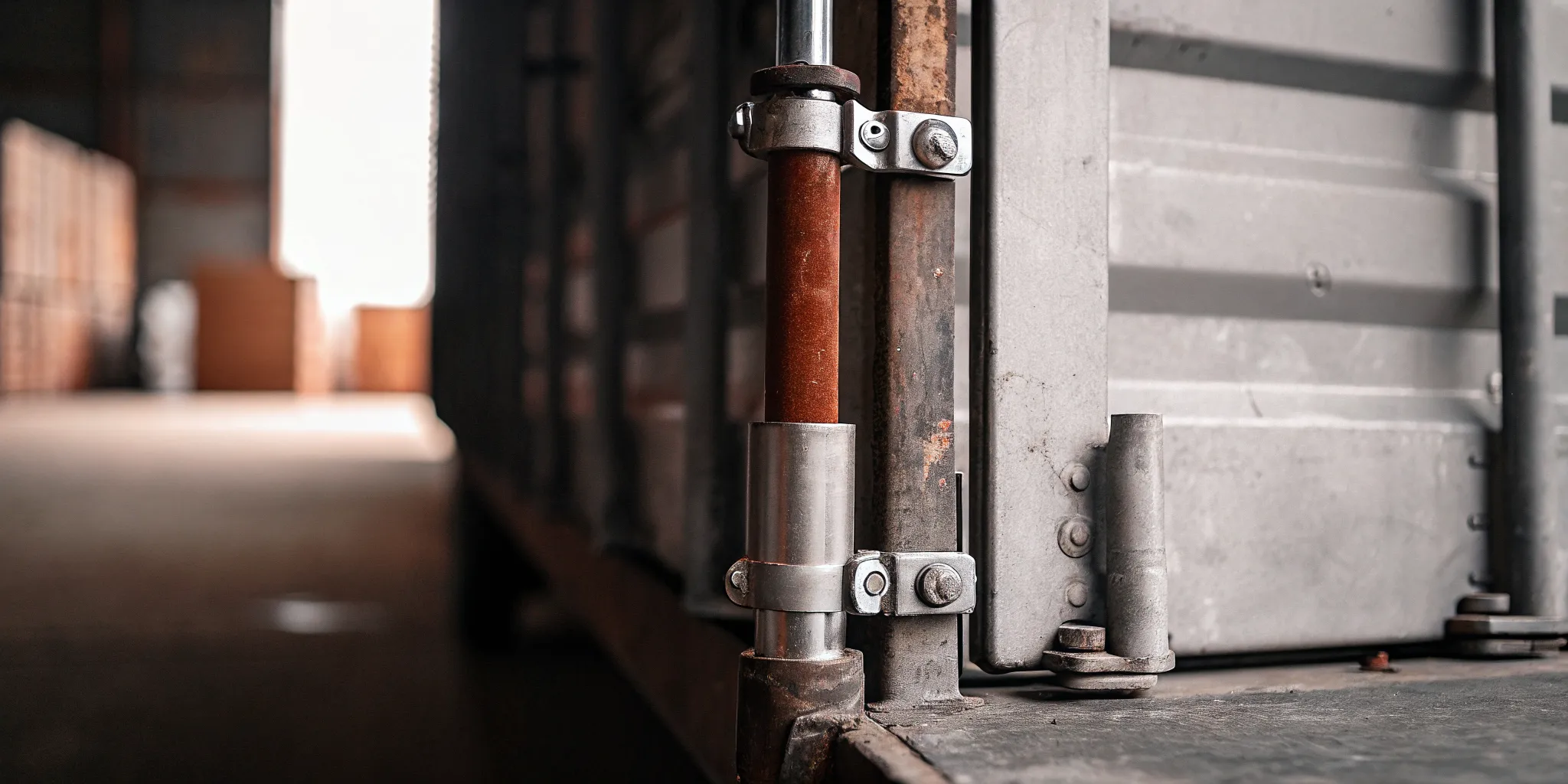
To earn the "H" or high security mark, a seal must pass strict tests. The ISO 17712 standard sets these rules. It makes sure all high-security bolt seals can stop a thief. These seals act as a strong wall for your cargo. The tests check how much force a seal can take before it breaks. They also check if the seal shows clear signs of a break-in.
Physical strength and load tests
A seal needs to pass four main tests for its strength. Labs use machines to pull, cut, and bend the seals. The first test is the tensile test. This checks how much pull force the seal can handle. For the H class, the seal must hold strong under a heavy load. It shows the seal will not just pop open during a bumpy trip.
The second test is the shear test. This checks how hard it is to cut the seal with tools. A high security seal must resist cutting from big bolt cutters. The third test is the bend test. Labs try to bend the seal until it snaps. This makes sure the seal can handle stress from moving parts on a truck or ship. The last test is the impact test. Labs hit the seal at high and low heat. This shows if the seal gets brittle in the cold or soft in the heat.
Tamper evidence and design
Strength is just one part of the ISO 17712 high security seal certification explained in official rules. A seal must also show if someone tried to open it. This is called tamper evidence. Good seals are made to show tell-tale signs if someone messes with them. This might be a change in color, a broken part, or marks on the metal.
When you look at a security seals catalog, you should check for these signs. A strong seal that shows no signs of a break-in is not good enough. Thieves might try to glue a seal back together. A high security seal should make this very hard to do. The design must help you see any foul play right away.
Third party lab standards
Not just any lab can run these tests. The lab must have its own special stamp. This is the ISO 17025 rule for labs. It means the lab is fair and knows what it is doing. They use the same tools and steps for every seal they test. This keeps the results true for all buyers. This helps you know that the seal works as the maker says it will.
The maker of the seals also gets checked. Teams look at how the firm works to stop fake seals from being made. They check if the firm keeps good logs of all seal numbers. This full check helps keep the supply chain safe. You should always ask for the lab report before you buy. It proves the seal really passed the H class tests and can protect your goods from theft.
Why does CTPAT require ISO 17712 high-security seals?
Use the CTPAT Cargo Seal Compliance: The Complete Guide for Importers and Exporters to connect ISO 17712 seal selection with documented receiving, inspection, control, and exception procedures across your cargo security program.
CTPAT requires ISO 17712 H-class seals on applicable U.S.-bound cargo because independently tested seals strengthen container security and make tampering easier to detect. The seal is one part of a complete chain-of-custody program that also requires controlled storage, unique-number records, inspections, and employee training.
CTPAT stands for the Customs-Trade Partnership Against Terrorism. It is a safety program by U.S. Customs and Border Protection (CBP). This program keeps supply chains safe from theft and threats. One big rule is the use of ISO 17712 high-security seals for cargo going to the U.S.
These seals are the first line of defense for shipping containers and meet a global standard for strength. When a company joins CTPAT, they must follow these high rules. This helps the CBP see that the cargo is safe during its trip. Using these seals shows that you are a trusted trader in the eyes of the law.
CTPAT seal standards for cargo
The ISO 17712 standard splits seals into groups like indicative, security, and high-security. For CTPAT, only the H-class or high-security seal is good enough. These seals must pass tough tests in a lab to show they can resist being pulled apart by force.
Using a seal that is not H-class breaks CTPAT rules. This can lead to more checks at the border and big delays. For a complete compliance workflow, read CTPAT Cargo Seal Compliance: The Complete Guide for Importers and Exporters. Our ISO 17712 high security seal certification explained guide helps you pick the right tool. Always check that your seals have the H mark on the body or the bolt.
ISO certification versus CTPAT status
You need to know that an ISO certified seal is not the same as a CTPAT member. A seal is a tool that passes a set of tests, while CTPAT is a program for a whole company. You must apply for and keep your status even if you use the best seals. One is about the tool, and the other is about the process.
A certified seal gives the CBP proof that the lock is strong. But CTPAT members must also show how they use those tools. They must keep a log of every seal and train staff to check them. This shows the state you have a full plan for safety, with an ISO 17712 seal being just the start.
Securing the chain of custody
Chain of custody is about who has control of the goods at each step. High-security seals help track this path. Each seal has a unique number that you must write on all papers. If a seal is broken, the CBP knows the goods are not safe and could contain theft.
Check the seal at every stop to keep the chain strong. If the seal number does not match the papers, stop the shipment. Clear logs and strong seals keep the supply chain safe and fast. Following these rules makes border crossings smooth and helps your business grow.
CTPAT members get through lines faster and face far fewer checks. This saves a lot of time and money for your team. Using the right seals shows that you can be trusted with global trade. It is a small step that leads to big gains for anyone shipping goods across borders.
How to verify your seal supplier is ISO 17712 certified
Verify a seal supplier by requesting the exact model's current ISO 17712 test report, confirming the independent laboratory's qualifications, and reviewing evidence of the manufacturer's required security audit. Match the product name and classification to the report, and reject unsupported self-certification or mismatched documentation.
Before you buy, you must check that a supplier meets the full standard. ISO 17712 gives set steps for seal testing and how they are made. Do not just take a vendor's word for it as real proof needs to come from an outside group. This check helps you avoid weak products that fail to meet border rules.
A good supplier will have all their papers ready for you. They should be open about where their seals come from. If a vendor hides their test data, it is a big red flag. You need clear proof to stay safe and meet legal needs as many firms use these seals to get through customs faster.
What papers should you ask for?
Ask for a test report and a security audit. A test report shows how the seal holds up in a lab. It must prove the seal has enough physical strength to stop a break-in. This report is vital for showing that a seal is truly "H" class. Without it, you cannot be sure the seal will hold up under stress.
The paper should also show that the seal has parts that make tampering easy to see. These parts are called tamper-evident features. They must leave a mark if someone tries to open the seal. This is a key part of the ISO 17712 high security seal certification explained in full by global experts. Most border guards look for these marks first.
Why is lab skill important?
Not every lab can certify a seal. The lab must have ISO/IEC 17025 rank to do the work. This rank proves the lab is skilled and uses the right tools. If the lab is not skilled, the test may not be valid for your needs. You can often check a lab's status on their own website.
When you look at the lab report, check the date. Standards change over time, and you want the most current test. Old tests may not meet the rules used by border agents today. Using a seal with a new report gives you peace of mind. It also shows you care about the safety of your supply chain.
How do you check the seal model?
The report should list the exact model you plan to buy. Some vendors use one report for many items. This is not the right way as each seal design needs its own test. Make sure the name on the box matches the name in the report to keep your cargo safe and help you stay in line with rules.
If you see any mismatch, ask the maker why. They should be able to explain any small changes. But if the design is different, the old test does not count. Check our list of high security seals to see how we track our data. We make sure every seal we sell has the right proof behind it.
Is a self-claim by a maker enough?
No, a maker cannot certify their own seals. The standard needs an outside lab to test the seal's strength. It also needs an outside group to check the maker's business steps. These steps help prevent people from making fake or weak seals. An audit of these steps is just as vital as the physical test.
The audit looks at how the maker keeps track of their seals. It checks if they use serial numbers correctly. It also looks at how they store their goods. A maker with a clean audit shows they take security seriously. This helps build trust between you and your supplier.
- Ask the vendor for a copy of the ISO 17712 test report for the seal model you need.
- Find the name of the lab that did the test and check their skill level online.
- Look for the seal's strength class, such as "H" for high security, in the test results.
- Verify that the report says the seal has parts that show proof of tampering.
- Request proof of an outside audit for the maker's security and business steps.
- Compare the date on the test report to the current version of the ISO standard.
- Ensure the seal model name on the report matches the product you are buying exactly.
Turning ISO 17712 certification into a stronger seal program
Turn certification into a reliable seal program by buying exact tested models, controlling access to seal inventory. Recording every unique serial number, training staff to inspect and apply seals, and documenting exceptions. Regular supplier reviews and shipment-level checks help preserve the chain of custody after purchase.
Buying a seal with an "H" mark is the first step. But a real security plan goes deeper. You must turn that certification into a daily process. This helps you meet C-TPAT needs and keeps your cargo safe. A strong program uses the data from ISO 17712 to guide how you buy, track, and check every seal.
Match exact models to test reports
Do not just take a vendor's word for it. Every ISO 17712 compliant seal should have a lab report. This report proves the seal passed physical strength tests. These tests check how much force the seal can take before it breaks. You should ask for the report for the exact model you buy. Make sure the lab that did the test is also accredited. This ensures the results are fair and right.
ISO 17712 also needs a review of how seals are made. This check makes sure the plant follows good security rules. It helps prevent flaws that could let someone bypass the seal. When you choose a supplier, ask to see their audit proof. A good supplier will share this to show they care about quality. Matching your high security bolt seal to its report is a key part of any audit.
Set clear rules for getting seals
Your team must know what to look for when seals arrive. They should check that each seal has the correct markings. Every high-security seal needs a unique serial number. It should also have the "H" logo. If a seal is missing these, do not use it. Train your staff to look for signs of damage or poor design. The ISO standard says seals must have features that show clear proof of tampering.
Create a simple list for your team to follow. They should record the number of every seal they use. They should also check that the seal matches the shipping papers. If a seal looks wrong, flag it right away. Small checks like these stop theft before it starts. Using clear steps makes your security plan much harder to beat.
Maintain controlled seal logs
Tracking is just as vital as the seal itself. Keep a log of every seal from the time you get it until it is used. This log should list the seal number, the date, and the person who handled it. This creates a chain of custody. If a seal goes missing, you will know exactly when and where it happened. A tight log prevents inside theft and makes audits much easier.
You should also think about using one type of seal. Using one model for all your containers makes training simple. It also makes your logs cleaner. A steady supply of tested seals reduces the risk of using the wrong class. By following these steps, you turn a simple lock into a full security system.
Frequently Asked Questions
These answers address common operational questions about plastic seals, supplier review frequency, failed border inspections, and electronic seals. They clarify where ISO 17712 applies and why an H-class mechanical seal remains necessary for many international container shipments even when other tracking tools are used.
Can I use plastic seals for ISO 17712 compliance?
Plastic seals can meet ISO 17712 rules, but only as "Indicative" class seals. These are for low-risk use and show proof of entry. However, for cross-border trade, the law often needs "High Security" bolt or cable seals. According to U.S. Customs and Border Protection, C-TPAT members must use the "H" class seals for shipping containers to ensure cargo stays safe from theft.
How often should we audit our seal supplier?
You should verify your supplier's status once a year or when the ISO 17712 rules change. A real certification needs an outside lab to test the seal's strength. It also needs an audit of the maker's security steps. This check helps you know the firm can track seal numbers and stop fake goods from entering your supply chain. Always ask for a new test report to make sure the data is still valid.
What happens if a container seal fails a border check?
If a seal fails a check, border agents may stop the cargo for a full search. This can cause long delays and high costs for your firm. Customs agents look for the "H" mark on the bolt or body to prove it is a high-security tool. If the seal does not meet the standard, you might lose your C-TPAT status. Using a certified seal from the start helps you avoid these risks and move goods faster.
Does ISO 17712 cover electronic container seals?
No, the ISO 17712 standard is only for mechanical freight container seals like bolts and cables. It sets the bar for physical strength and how the seal shows signs of tampering. While electronic seals can track a load, they do not replace the need for a physical high-security seal in most trade routes. You must still use a mechanical "H" class seal to meet the legal needs for most international cargo shipments.
Are you ready to secure your cargo with high-security seals?
Certified high-security seals can help protect cargo, support CTPAT procedures, and reduce avoidable compliance risk. Before the next shipment, verify the exact seal model, laboratory report, supplier audit, inventory controls, and serial-number process. STiER can help you select an appropriate seal and request documentation.
Waiting to update your security seals could lead to lost time and money if your cargo is held at the border for not being safe. You can fix this risk today by moving to high-security seals that meet global rules and keep your goods moving through customs without any delay. Starting this change right now means your business will be ready for the next shipment and can avoid costly mistakes that slow down your work.
Ready to request a quote for high-security seals? Request your quote today to find the best security tools for your next shipment. Our team is here to help you stay safe and meet every shipping rule.