


A mismatched seal number can turn routine cargo release into a costly exception review. Importers use security seals for shipping containers to show whether container doors may have been opened, to document each handoff, and to support CTPAT-style chain-of-custody controls before cargo is unloaded.
Request a quote for container security seals before your next import shipment.
The seal is only one part of the system. It has to be the right type for the closure, applied by trained staff, recorded accurately, inspected at arrival, and escalated when something does not match. This guide explains how importers, logistics managers, and compliance teams can choose and document seals without turning the process into paperwork theater.
Why security seals for shipping containers matter at import
Answer: Security seals for shipping containers matter because they create visible tamper evidence and a recorded serial number for every secured load. For importers, that record supports carrier handoffs, arrival checks, exception reviews, and CTPAT-style procedures when a shipment needs closer review.
An importer does not control every hand that touches a container between loading and arrival. Carriers, terminal staff, inspectors, and drayage providers may all handle the load. A seal gives each shipment a visible control point, so receiving teams can compare what is on the doors with what appears in the shipment file.
A seal does not make a container theft-proof. It does make tampering harder to hide. A broken seal, missing seal, altered locking body, or mismatched number tells the team to pause before unloading. That pause protects evidence and gives compliance staff a cleaner record to review.
STiER's security seal collection includes bolt, cable, and plastic options for different closure types and risk levels. Importers should select the seal based on the shipment, not just the lowest unit price.
How container seal numbers support chain-of-custody records
Answer: Container seal numbers support chain of custody by tying each seal check to a shipment record. Teams can compare the number listed at origin with photos, bills of lading, arrival logs, and exception reports before the container is opened or released.
Serialization is what turns a seal from a simple device into an auditable control. The number should be recorded when the seal is issued, when it is applied, at any required transfer point, and at final receipt. If the number changes without explanation, the record should show who found the issue and what happened next.
Good records are practical, not complicated. A basic seal log should include the shipment identifier, container number, seal number, seal type, date applied, person applying it, arrival inspection result, and any exception notes. Photos of the seal and door hardware add another useful layer when a discrepancy needs review.
The strongest programs also control unused seals. If serialized seals sit in an open drawer, the team cannot prove who had access to them. Store them in a controlled location, issue them to trained employees, and reconcile unused numbers.
Bolt seals vs cable seals vs plastic seals
Answer: Bolt seals, cable seals, and plastic seals are not interchangeable. Bolt seals are the usual high-security choice for ISO containers. Cable seals fit adjustable or irregular closures. Plastic seals are best for lower-risk, indicative uses where visible tamper evidence matters more than barrier strength.
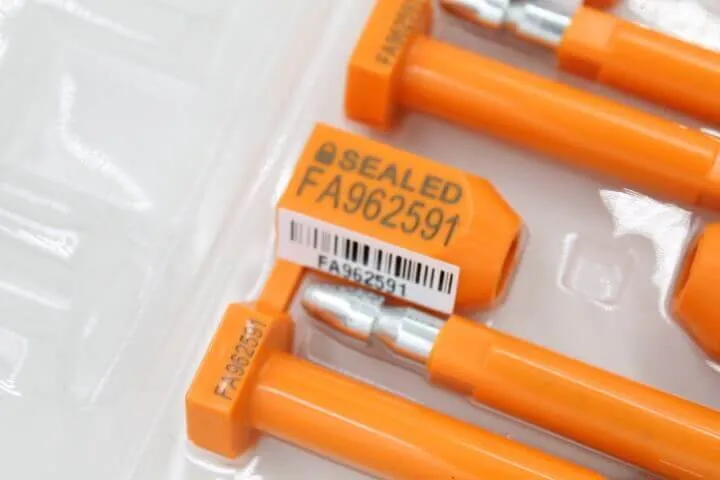
The right seal depends on the door hardware, route, cargo value, and compliance requirement. For standard container doors, importers often start with a high-security bolt seal. STiER's Bolt Seal BS-30C RSS is designed for container and trailer doors, includes unique serialization, and supports barcode documentation.
| Seal type | Best fit | Primary advantage | Watch-out |
|---|---|---|---|
| Bolt seal. | ISO container and trailer doors. | High-security barrier protection. | Requires a tool for removal. |
| Cable seal. | Irregular closures and adjustable latch points. | Flexible fit across varied hardware. | Match cable strength to the closure. |
| Plastic seal. | Bags, carts, totes, and lower-risk points. | Fast visual tamper evidence. | Not a substitute for high-security container seals. |
Importers should avoid using one seal type everywhere. A plastic seal may be useful for a tote or postbag, but it is not a substitute for a high-security container seal on an import lane that requires one. A cable seal may be ideal for an irregular closure, but a bolt seal may be simpler and stronger for a standard container latch.
What makes a container seal CTPAT-ready?
Answer: A CTPAT-ready seal program combines ISO 17712 high-security seals, unique serialization, controlled seal storage, trained staff, documented inspections, and an exception process. The device matters, but the records around that device are what make the control audit-ready.
CTPAT-focused teams should think in terms of procedure, not just product. The seal should meet the required security class for the shipment. The company also needs a written process for seal access, number assignment, arrival checks, and exceptions.
U.S. Customs and Border Protection guidance has long emphasized ISO 17712 high-security seals for CTPAT container security. Importers should verify the current requirement for their program, their carrier, and their route. When the requirement calls for a high-security seal, choose a seal designed for that standard and keep the supporting documentation in the supplier file.
Training matters because small shortcuts create big gaps. A receiving employee who cuts the seal before checking the number may destroy the best evidence the team had. A loader who records the wrong number may create a false alarm at arrival. Written procedures reduce those errors.
Can container seals prevent theft or only show tampering?
Answer: Container seals can deter opportunistic access, but their primary job is tamper evidence. A broken, missing, mismatched, or visibly altered seal tells the importer to stop, document the issue, and follow the company exception process before unloading cargo.
It is safer to treat a seal as an evidence control than as a complete security system. A strong bolt or cable seal can slow an attempted entry and may discourage casual theft. A determined attack, damaged door hardware, or poor yard security can still put cargo at risk.
The value of the seal is that it creates a clear question at each checkpoint: does the seal number and condition match the record? If the answer is no, the team can preserve evidence and make a documented decision. That is why seal checks should happen before unloading, not after the shipment has already been released into inventory.
Ask STiER which seal type fits your route, cargo risk, and documentation needs.
How should importers inspect and document a seal at arrival?
Answer: Importers should inspect the seal before opening the container, compare the serial number against shipping documents, photograph the seal and door hardware, log the result, and escalate any mismatch. Cutting the seal before documentation can destroy useful evidence.
- Stop before opening the doors. Keep the container closed until the seal check is complete.
- Compare the serial number. Match the seal to the bill of lading, carrier record, packing file, or internal seal log.
- Inspect the seal body. Look for cracks, tool marks, glue, heat damage, loose parts, or signs the locking body was manipulated.
- Check the door hardware. A perfect seal does not help if the hasp, locking bar, or handle was bypassed.
- Photograph the evidence. Capture the seal number, full seal, container number, and door area.
- Record and escalate exceptions. Follow the written process for mismatches, broken seals, missing seals, or visible tampering.
Teams should make the process easy enough to follow under pressure. A short checklist at the receiving dock is better than a long policy that no one uses. The goal is consistent documentation, not extra bureaucracy.
How to choose a seal supplier for container imports
Answer: Choose a seal supplier that can support compliant products, reliable serialization, documentation, repeat ordering, and responsive quote support. Importers should confirm the right seal class, lead time, color or barcode needs, and whether certificates are available for audit files.
For importers, vendor selection affects compliance as much as purchasing. The lowest-cost seal can become expensive if numbers are inconsistent, documentation is missing, lead times are unreliable, or the product does not fit the closure. Standardize the approved seal list before teams start placing repeat orders.
Ask whether the supplier can support serialization, barcode needs, logo or text customization, color coding, documentation packages, and volume planning. For multi-location import operations, consistent numbering and reorder discipline can reduce confusion across warehouses and carriers.
STiER supplies serialized security seals, including bolt, cable, and plastic options, for logistics, cargo security, and compliance-driven teams across the United States, Canada, Mexico, the Caribbean, South America, and Central America. Pricing is quote-based because seal type, customization, volume, and documentation needs vary by program.
A practical supplier review should also confirm reorder timing, standard carton quantities, color availability, barcode format, and how quickly documentation can be provided for an audit file. Those details keep purchasing aligned with compliance instead of forcing warehouse teams to improvise when the next container is ready to move.
Common mistakes that weaken container seal programs
Answer: Common seal program mistakes include using the wrong seal type, leaving unused seals uncontrolled, skipping photo records, and accepting handwritten number changes. A missing exception process also weakens the audit trail.
- Using the same seal for every closure. Match bolt, cable, and plastic seals to the actual risk and hardware.
- Recording seal numbers after the fact. Numbers should be captured when the seal is applied and checked again at arrival.
- Ignoring unused seal control. Serialized seals should be stored, issued, and reconciled.
- Cutting first and checking later. Arrival inspection should happen before the container is opened.
- Overusing the exact same anchor or label in records. Clear descriptions help reviewers understand the seal type and purpose.
- No exception path. Receiving teams need to know who to call and what to document when a seal does not match.
These mistakes are fixable. Start with a short written procedure, train the teams who apply and inspect seals, and review exceptions after they happen. A seal program improves when purchasing, logistics, warehouse, and compliance teams all follow the same rules.
Frequently asked questions about container security seals
Are bolt seals required for all shipping containers?
Not for every possible move, but bolt seals are the common choice for international container doors when high-security protection is required. Importers should verify the seal requirement for the shipment, carrier, route, and compliance program before choosing a lower-strength option.
What should an importer do if a container seal number does not match?
Do not open the container until the issue is documented. Photograph the seal and doors, compare the number against the shipment file, notify the right internal contact, and follow the company's exception procedure. The record should explain the mismatch and the decision made.
Can plastic seals be used on shipping containers?
Plastic seals can be useful for lower-risk access points, bags, carts, or totes, but they usually are not the primary choice for ISO container doors that require high-security protection. Use them where indicative tamper evidence is appropriate.
Why does serialization matter for container seals?
Serialization gives each seal a unique identity. That identity lets teams compare the seal applied at origin with the seal found at arrival, then connect the physical control to the shipment record, photos, and exception notes.
Request the right security seals before your next shipment
Container security works best when the seal, documentation, and inspection process fit the route. STiER can help importers compare bolt, cable, and plastic seal options, plan serialization needs, and request the right documentation for compliance files.
Request a quote from STiER for serialized bolt, cable, or plastic security seals.