

A cargo door can look secure and still leave a critical gap: a lock may deter forced entry without documenting a handoff. While a seal may reveal tampering without stopping it. The right choice protects the load, supports compliance, and gives receiving teams a clear response when something is wrong.
Request RFQ seal guidance or a container lock evaluation from STiER.
Key takeaway: A container lock is a reusable physical barrier, while a serialized security seal is a single-use chain-of-custody control. Pairing them gives higher-risk cargo both entry deterrence and tamper evidence; use ISO 17712 high-security seals where applicable to CTPAT shipments.
Shippers should choose controls based on asset value, route exposure, required compliance, door hardware, and the receiving team's ability to verify and respond to exceptions.
Container lock vs security seal: the core difference
Summary: Locks deter forced entry; serialized seals reveal and document access. Higher-risk shipments often need both controls.
Choosing the right gear to protect your freight is key to a smooth supply chain. Many people use the terms for locks and seals as if they mean the same thing. But in the world of cargo safety, they have two unique roles. A container lock is built to stop a thief from getting in. A security seal is built to tell a story about who has been near your goods. Knowing the gap between them helps you pick the right tools for your load. Using the wrong tool can lead to lost goods or problems at the port.
The job of a container lock
A container lock is a strong piece of hardware made of thick steel. Its main goal is to stop a person from opening the doors of a trailer or shipping box. These tools are built to resist saws, drills, and heavy hammers. They act as a clear sign to thieves that your cargo will be very hard to take. Because they are so tough, you can use them many times for other loads. A high-security container lock gives you the hard defense you need to lower your risk of theft. They are often used to protect high-value goods like gadgets or drugs. These locks give a level of safety that a seal cannot match on its own.
There are many types of locks for cargo. Some wrap around the door bars, while others block the handle. No matter the type, the goal is to make a breach take a long time. Thieves want a quick and easy job. A heavy lock takes away that ease. It forces them to use loud tools that draw notice. This makes your freight a less likely target for a random attack. While a lock is great for defense, it does not keep a record of your trip.
The job of a security seal
A security seal works as a tool for proof rather than a wall. Unlike a lock, a seal is made to be broken once the cargo gets to its final goal. Each seal has a unique serial number that is tracked from the start of the trip to the end. This number helps you check the chain of custody for your goods. If the seal is cut or has the wrong number, you have proof of a breach. Cargo safety is a huge part of U.S. homeland security efforts. This means you must use seals that meet high standards to keep your records clear and avoid port delays.
Seals come in other levels of strength. Basic seals are made of plastic and show only if someone opened the door. High-security seals are made of metal and need bolt cutters to remove. These seals must follow the ISO 17712 standard to be used for global trade. Using a seal that does not meet these rules can trigger a second check at the border. This leads to costly delays for your business. A good seal ensures that your cargo stays in the same state it was in when it left the dock.
Building a layered defense
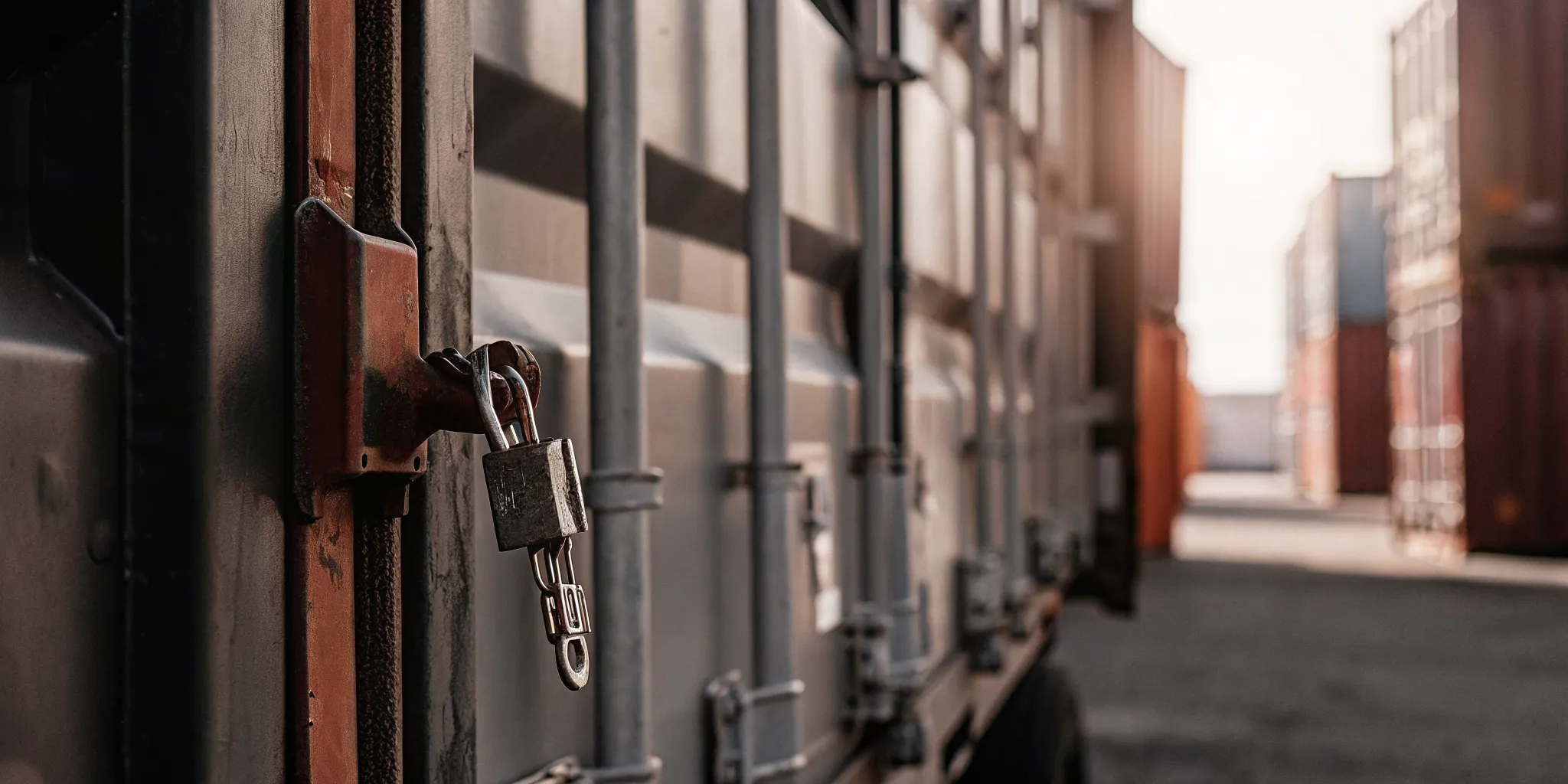
Most experts say you should not choose just one. A lock stops a thief but does not show if a person sneaked inside. A seal shows a breach but does not put up a big fight. For the best results, you should use an ISO 17712 compliant bolt seal with a heavy lock. This mix helps you follow CTPAT rules while you protect your assets. It makes your cargo a hard target for thieves and keeps your shipping data clean. Mixing your tools is the best way to lower your risk and keep your supply chain moving.
| Feature | Container Lock | Security Seal |
|---|---|---|
| Main Goal | Stop entry | Show tampering |
| Primary Build | Heavy steel bar | Serialized metal or plastic |
| Life Span | Reusable | Single-use only |
| Role in Tracking | None | Checks chain of custody |
| Removal Method | Key or heavy tools | Bolt cutters or shears |
| Compliance Need | Optional defense | Needed for CTPAT |
What does a container lock do?
Summary: A container lock adds a reusable physical barrier that deters and delays forced entry, but it does not create a shipment-level tamper record.
A container lock serves as a heavy block. Its main job is to stop people from getting in cargo doors without a key or code. These locks are often made of thick steel. They fit over the door bars of a shipping container to keep them shut. This makes it much harder for thieves to break in while goods are in a yard or on a truck.
A hard block against theft
The main use of a container lock is to stop forced entry. Strong locks are built to hold up against heavy tools like bolt cutters. While no lock is perfect, a tough one slows down a thief. This delay often makes them give up or move to an easier target. High-security tools are a key part of national trade safety. Good locks help protect goods as they move through the supply chain.
Most locks work best for local hauling or long-term storage. They give you peace of mind when a container sits for days. You can choose from many types, like padlocks or heavy bar locks. Each style offers its own way to defend your goods. Buying cargo security locks is a smart move for high-value items. It adds a layer of strength that basic latches just do not have.
Container lock vs security seal
Many shippers ask about the container lock vs security seal split. A lock is meant to stay on the door and keep it closed. It is a tool you can use many times. You open it with a key or a code. But a security seal is a one-time device. Its goal is to show if someone tried to open the load. Seals have unique numbers to track each shipment from start to finish.
A seal might not stop a thief, but it tells you if a break-in took place. This is why many firms use both tools at once. A seal meets trade rules, while a lock stops the door from opening. High-security seals are often a need for trade groups like CTPAT. You can find high-security bolt seals to meet these global rules. Using both tools gives you the best way to track and protect your cargo.
How to pick the right security tool
When you pick a lock, think about how you will use it. Will the container stay in one place or move to other lands? Some ports do not allow heavy locks on doors during a sea trip. They need to be able to open the doors for fast checks. In those cases, a seal is the best choice. But for land-based storage, a lock is much more secure. It acts as a clear sign that the goods inside are safe.
You should also think about who has the keys. If many people need to get in, a code lock might be easy. For high-value loads, a single key held by one person is safer. Always check that your locks and seals work with your door bars. Some bars are too thick for most locks. At STiER, we help you find the right fit for your needs. We offer many types of locks and seals to keep your supply chain strong.
What does a security seal do?
Summary: A serialized security seal provides single-use tamper evidence and a number that teams can verify at each handoff.
A security seal acts as a primary tool for tracking and protecting goods during transit. Unlike a standard lock that focuses on physical strength, a seal provides proof that a container has not been opened. Each seal has a unique serial number that helps teams track a shipment through the supply chain. This tracking creates a clear chain of custody from the point of origin to the final destination.
Tamper detection and verification
The main job of a security seal is to show clear signs of entry. High-quality seals use materials that break or show marks if someone tries to pick or cut them. This tamper-evident design is vital for cargo security. It allows receivers to spot a breach as soon as the container arrives. By checking the seal status, businesses can quickly find out if they need to check the contents for theft or loss.
Proper use requires a method known as "View, Verify, Twist, and Tug." According to CBP guidelines, this process ensures the seal is the right number and fully locked. Workers must record the seal number on the shipping papers before the trip starts. At the end of the trip, the receiver must match the number on the door to the papers. If the numbers do not match, the load is at risk.
High security and compliance
For international trade, seals must meet specific strength levels. The ISO 17712 standard sets these levels based on how hard a seal is to break. Most border agencies require "H" class or high-security seals for ocean freight. These ISO 17712 compliant bolt seals are built to withstand heavy force and harsh sea conditions.
Using the right seal is also a core part of CTPAT compliance. Programs like CTPAT help speed up border crossings by reducing the number of manual checks. To stay in the program, firms must follow strict cargo security applications for seal storage and use. This includes keeping a seal log and limiting access to the seals themselves. Choosing the correct high-security bolt seals ensures your cargo meets these strict global safety rules.
When does cargo need both a lock and a seal?
Summary: Use both when cargo value, dwell time, theft exposure, route risk, or compliance needs justify combining deterrence with tamper evidence.
Most shipping firms start with a single layer of protection. They might use one ISO 17712 compliant bolt seal to meet legal rules. But high-value loads often need more. You should use both a lock and a seal when your cargo faces a high risk of theft or when you ship through zones with low security. This two-part method stops thieves from both breaking in and hiding their tracks.
Protect high-value assets
High-value goods like electronics or drugs need the best defense. A seal tells you if someone opened the door, but it cannot stop a strong attack. A high-security container lock adds a physical wall that takes time and loud tools to break. Using both means a thief cannot just cut a seal and walk away with your cargo.
Cargo container security is a key part of U.S. homeland security per the NIST. Using locks alongside seals creates a layered defense. This mix is vital for cargo that stays in one spot for a long time. This includes ports or jobsites. A lock keeps the goods safe at night. The seal tracks the chain of custody during the day.
Meet strict compliance rules
Many firms must follow CTPAT rules to move goods across borders. These rules often require high-security bolt seals on all container doors. While the seal meets the legal need, adding a lock helps reduce your loss risk. This is key because cargo theft costs the U.S. industry about $35 billion each year. This is based on data on cargo loss trends.
When you use both tools, you get full peace of mind. The lock stops the thief, and the seal proves the load is whole. This "Compliance Triple Crown" of safety helps supply chain managers sleep better. It also makes it easier to pass audits. This may also keep your insurance rates low. For quote-based serialized seals, the right specification depends on volume, route, compliance, and customization needs.
Request an RFQ and get guidance on the right seal and lock combination.
Secure goods on the jobsite
Storage units and trailers on jobsites are easy targets for quick theft. These units often sit in open areas with few guards. A seal alone is not enough to stop someone from taking tools or parts. You need cargo security locks to keep the doors shut tight. This stops forced entry. The seal then acts as a final check to ensure no one used a key without a log entry.
This method works best for firms that share units among many crews. You can check the seal number at the start of each shift. If the number does not match your log, you know someone opened the lock. This helps you find where a loss happened in the chain. Using both tools makes your security plan "Strong Locks. No Bull." and keeps your assets where they belong.
How to build a layered cargo security process
Summary: Match devices to risk, control seal inventory, record every serial number and handoff, verify on receipt, and escalate exceptions before opening cargo.
A strong supply chain needs more than just one piece of hardware. Protecting goods from theft requires a strategy that uses many tools at once. This method is often called a layered approach. By using both cargo security locks and high-security seals, you create several hurdles for thieves. Each layer serves a specific goal in stopping loss and meeting laws. For example, a heavy lock stops a quick break-in, while a seal shows if someone tried to open the door. Using these two items together is the best way to keep your assets safe.
Risk and rule review
Before you buy any tools, look at where your cargo is going. Some routes have high levels of risk. You must also check the laws for each region. Many trade groups and states have strict rules for what you must use. The National Institute of Standards and Technology notes that clear rules help keep the chain of custody strong. If you ship across borders, you likely need a seal that meets ISO 17712 rules. Knowing these rules first helps you avoid fines and keep your shipments moving fast. It also ensures that your choice of security tools meets all legal needs.
Lock and seal matching
The debate of container lock vs security seal is not about choosing one or the other. Instead, it is about how they work together to stop crime. A high-security container lock adds physical strength to the container doors. It makes it very hard for a thief to force the door open quickly. A security seal adds a layer of data that a lock alone cannot give. Each seal has a unique number that you track through the entire trip. This pair makes it easy to spot a theft and hard for a thief to hide their tracks. Use both to get the best defense against modern cargo crime.
Seal log controls and exception response
Assign serialized seals only to authorized staff, store unused seals securely, and reconcile issued, used, damaged, and returned numbers. At every handoff, record the seal number, condition, time, location, and verifier. If a seal is missing, broken, altered, or mismatched, stop the handoff, photograph the door and devices. Preserve records, notify the designated security contact, and follow the company's inspection and reporting procedure before opening the load.
A simple security order
Setting up a layered system is a step-by-step task. You must follow a set path to make sure no gaps are left in your defense. When everyone in your team knows the steps, the risk of human error goes down. This order helps you keep a clear log of who had the cargo and when they had it. It also makes it much easier to show that your firm followed all safety rules during shipping.
- Assess your shipment risk and local trade rules. Review your route to see if you need specific signs like CTPAT or ISO 17712 for your seals.
- Choose devices that work well together. Pick a strong lock that fits your container and a seal that gives clear proof of any break-in signs.
- Record every seal number before the truck leaves. Write down the unique ID and match it to the shipping papers to ensure you have a clean record.
- Write down every handoff in the chain. Make sure every person who takes the cargo checks the seal and lock for signs of damage or change.
- Inspect the cargo as soon as it arrives. Check that the seal number matches your records and look for any small marks on the lock or latch.
- Start an inquiry if you find a problem. If a seal is broken or a number does not match, stop the system and report the issue right away.
This layered system builds a wall around your goods. It moves beyond simple tools and creates a full system for your firm. By following these steps, you reduce the chance of theft and keep your cargo safe from start to finish. A good process is just as vital as the locks you choose to use.
How should you choose the right lock and seal combination?
Summary: Select controls by asset value, route and dwell risk, compliance requirements, hardware fit, and the documentation process at origin and receipt.
Picking the best way to secure your cargo starts with knowing the risks of your route. You must think about the value of your goods and any rules for the ports you use. The choice between a container lock vs security seal depends on if you need physical strength or proof of entry. Most experts suggest using both to create a strong layer of defense.
Use a practical selection matrix
| Asset, route, or compliance need | Recommended control | Operational focus |
|---|---|---|
| International container shipment subject to applicable CTPAT controls | ISO 17712 high-security serialized seal; add a compatible lock when allowed and risk warrants | Verify certification, seal number, and handoffs |
| High-value cargo or high-theft route | Compatible container lock plus serialized security seal | Check route exposure, dwell points, and exception plan |
| Stationary container or jobsite storage | Container lock; add a seal when access events must be documented | Control keys and verify seal at each authorized opening |
| Frequent authorized access | Lock with controlled keys plus a new serialized seal after each closing | Reconcile access and seal logs |
Selection takeaway: Confirm carrier and port rules before adding a lock, then choose a seal that fits the latch and the applicable compliance program.
Assess your compliance and route risks
If you ship goods into the United States, you likely need to follow CTPAT rules. These rules ask for the use of certified seals on all container imports to stop theft and other threats. High-security seals must meet the ISO 17712 standard for strength and testing. For many firms, high-security bolt seals are the best choice for meeting these laws.
Routes with a high risk of theft need more than just a basic seal. Organized theft now causes about 40% of cargo losses in North American supply chains. Using a strong lock can stop thieves who look for easy targets. Cargo security is a key part of national safety, so picking the right tools is vital. You can find more details on these rules at NIST.
Match physical fit and asset value
High-value goods like medicine or electronics need the best protection. For these items, cargo security locks add a physical wall that seals lack. Seals are great for showing if someone opened the door, but they do not stop a forced entry. A lock works as a shield that makes it much harder to break into the trailer.
You should also check how the lock or seal fits on your doors. Some handles work best with bolt seals, while others need cable seals for a tight fit. A loose seal can be easier to pull off without leaving a mark. Always pick a tool that matches the shape and size of your latch or bars. This ensures the lock or seal works the way it was made to work.
Verify documentation and receiving needs
Good security also needs clear records. Every seal should have a unique serial number that you write down before the trip starts. This helps you track the path of the goods from the start to the end. The receiving team must check this number as soon as the cargo arrives. If the number does not match, you know right away that the load has been changed.
Your team needs a clear plan for what to do if they find a broken seal. They should know how to record the damage and report it to the right people. This process helps reduce your legal risk and protects your assets during transit. Using a simple plan for check-ins can save your company from big losses. It also keeps your supply chain moving without long delays at the port.
Frequently Asked Questions
Summary: Locks and seals serve different roles; seals are single-use, ISO 17712 defines high-security seal requirements, and layered controls are often the strongest operational choice.
Do I need both a container lock and a security seal for shipping cargo?
Using both tools provides the best defense for your goods. A security seal is often a legal rule for trade. According to STiER, these seals show if someone tried to open the doors. A container lock adds a strong physical wall that stops thieves from getting inside. Together, they meet rules like CTPAT and help stop cargo theft. This two-part plan protects high-value items and cuts your risk during long trips.
Can a container security seal be reused?
No, you cannot reuse a container security seal. These items are for one use only. Once you lock a bolt or cable seal, you must cut it to open the door. Breaking the seal is the only way to get into the cargo. Reusing a seal would mean it could not show signs of tampering. This would fail to meet safety rules like ISO 17712. You must always use a new, numbered seal for every new trip.
What is the purpose of an ISO 17712 security seal on a container?
These seals prove that a container has stayed shut during its trip. The ISO 17712 standard sets rules for how strong a seal must be. According to the international standard, these seals must pass tests for pulling and bending. They provide clear proof if a thief tries to break in. Many trade groups like CTPAT require these seals for all goods coming into the country. Using them helps you avoid delays and costly port checks.
Why use a high-security bolt seal instead of a standard padlock?
A bolt seal is the top choice for container doors because it provides both strength and proof of tampering. Unlike a standard lock, each seal has a unique serial number. This number helps you track the cargo. According to industry data, cargo theft costs billions each year. A bolt seal is harder to fake or replace than a common padlock. Most trade rules require a certified seal to ensure the cargo is safe.
Ready to secure your cargo with the right tools?
Summary: STiER can help evaluate compatible locks and quote-based serialized seals for your asset, route, and compliance requirements.
Close the gap between physical deterrence and documented chain of custody. Review the asset value, route exposure, door hardware, applicable CTPAT and ISO 17712 requirements, seal log controls, and exception process before the next shipment.
Contact STiER for RFQ seal guidance and a container lock evaluation.