Container Bolt Seals
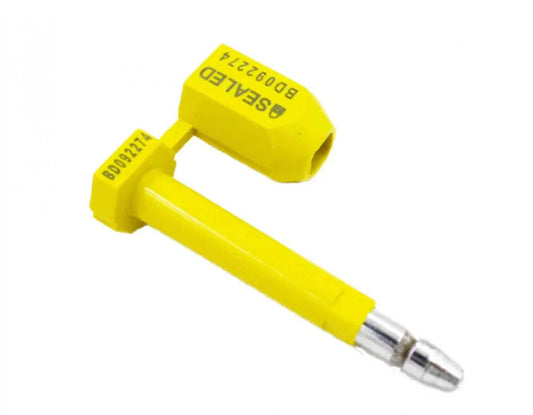
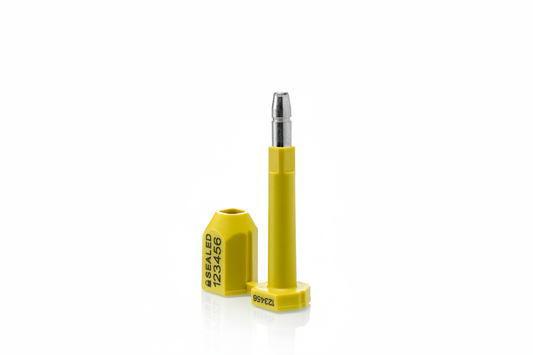
are strong locking devices used to seal and secure international cargo containers once a shipment is loaded. Upon placing a container seal, a container has been properly closed at origin. Because it can be removed only once, it ensures that a container remains unopened during the journey to its final destination where it is removed by the consignee.
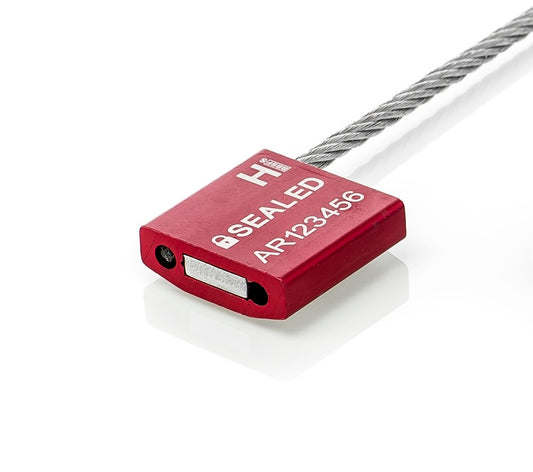
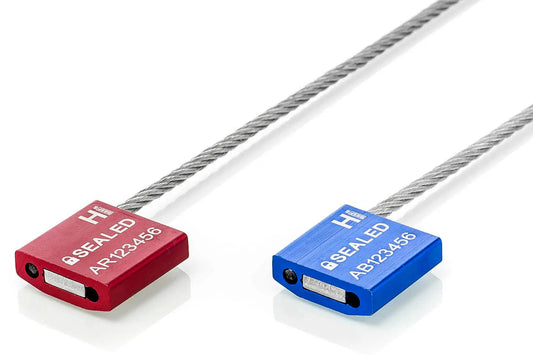
These metal seals therefore provide tamper evidence and help to detect cargo theft or contamination. These security seals have a relatively high breaking strength and therefore also provide a greater level of security than most other security seals. A container seal has its own unique number as identification and this number is listed on the shipping paperwork. The people receiving the container must check the bill of lading and check whether the seal number matches with the number on the container.
A container bolt seal used for securing containers must conform to the ISO 17712:2013 high security seal standard in order to be accepted by customs all around the world in ocean shipping. ISO 17712:2013 certified bolt seals comply with CTPAT as well. CTPAT, which stands for Customs Trade Partnership Against Terrorism, was started by U.S. Customs and Border Protection to strengthen international supply chains and improve United States border security. The best place to put a container seal normally is on the container’s right door, as that door will be opened first. You can place the bolt seal on one or both lock rods of the right door.
Container bolt seals can be applied without the use of tools. For removing a bolt seal however, a bolt cutter is required. Bolt seals are one-time usable tamper evident seals.

 Sold out
 Sold out
 Sold out
 Sold out
 Sold out
 Sold out