


A single non-compliant bolt seal can stop an entire supply chain at the border. CTPAT cargo seal compliance gives importers and exporters a practical way to prevent that disruption by controlling the seal, the records, and every handoff.
Request a quote for serialized, ISO 17712 high-security seals built for your CTPAT program.
CTPAT cargo seal compliance requires importers and exporters to use ISO 17712 high-security seals on applicable cargo, control access to serialized seal inventory, verify each seal at handoffs, and retain accurate records. A compliant program connects certified hardware with trained personnel, documented procedures, and prompt escalation when a seal is missing, damaged, or mismatched.
This guide explains the controls your shipping team needs to keep goods secure and moving through customs. It starts with what CTPAT requires, then covers seal selection, application, documentation, incident response, route-specific risks, and supplier evaluation.
What CTPAT cargo seal compliance requires
The Customs Trade Partnership Against Terrorism (CTPAT) is a key part of how U.S. Customs and Border Protection (CBP) keeps global trade safe. It works as a layered security plan to stop threats before they reach our ports. For many firms, ctpat cargo seal compliance is not just a good idea. It is a set of strict rules that keep cargo moving fast and safely through the supply chain. Today, more than 11,400 partners are part of this program to keep goods safe as they cross borders. The WCO SAFE Framework of Standards provides the broader international framework for securing and facilitating global trade.
High security seal standards
The most basic part of the rule is the type of seal you use. All CTPAT members must use seals that meet the ISO 17712:2013 standard for high security seals. These seals must pass hard tests for strength and tamper resistance. You cannot use just any plastic or wire tie for these shipments. Only seals with a high security rating are legal for CTPAT loads. high-security bolt seal specifications make sure that each bolt or cable seal can stand up to big force and clever tools.
Buying the right seal is only the first step in your security plan. You must also keep proof that your seals meet these strict rules. CTPAT partners need to have test results or letters from the maker on file for each batch. If CBP staff visit your site, they will ask to see this paperwork. This proof shows that your cargo seal inventory meets U.S. safety laws. Without these files, your firm could face slow stops or lose its spot in the CTPAT program.
Proper application and verification
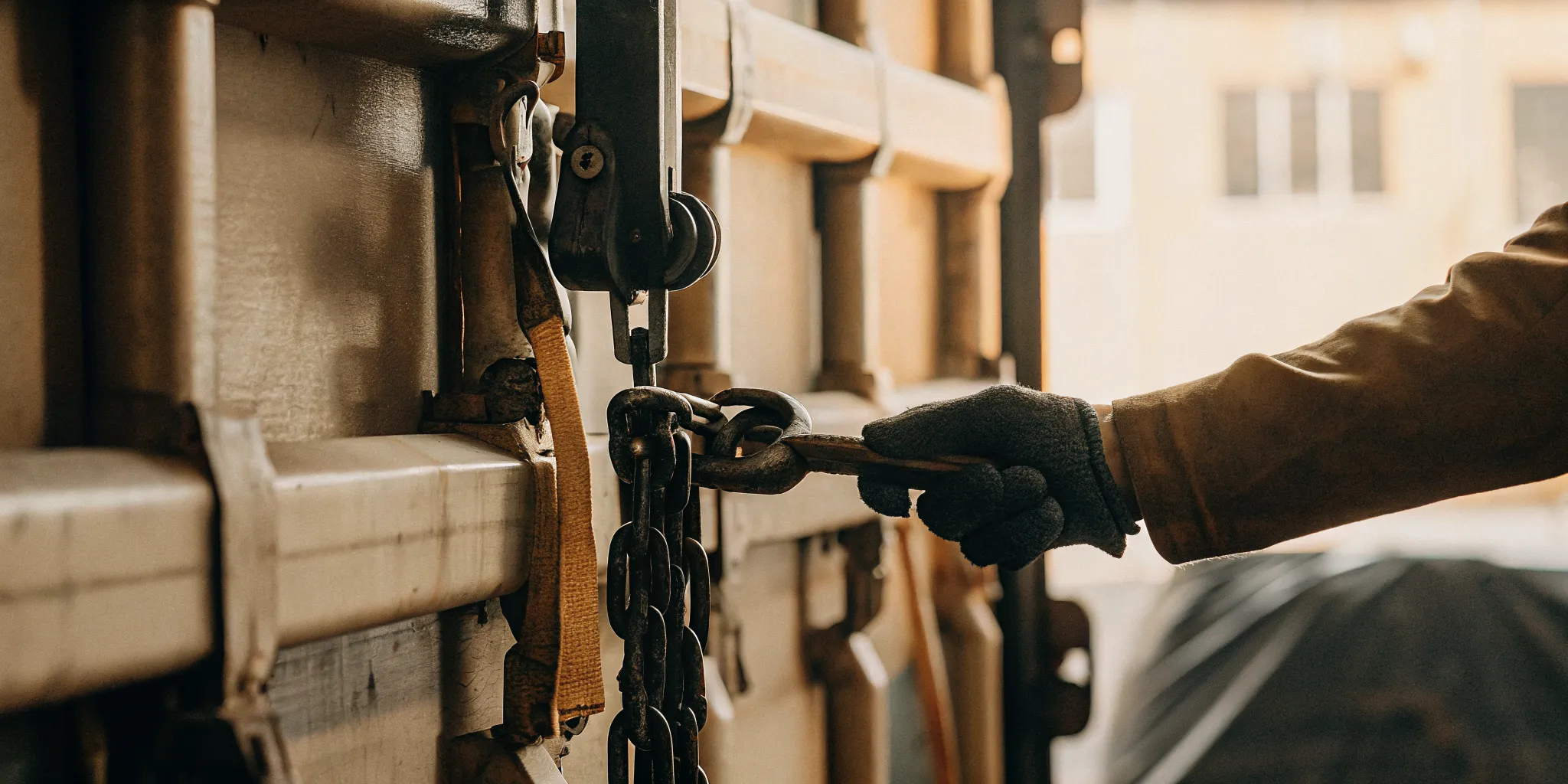
A seal only works if you put it on the right way every time. CBP suggests a clear plan to check each seal before it leaves. This is known as the VVTT method. VVTT stands for View, Verify, Twist, and Tug. First, you view the seal to check for any signs of damage. Next, you verify the seal number against your shipping files. Then, you twist and tug the seal to make sure it is locked and firm. This quick check helps find seals that are loose or broken before the truck hits the road.
The job of putting on the seal is also a shared task for better security. A trained staff member must put the seal on the container or trailer. A second person must watch them do it to witness the act. This double-check makes sure the seal is on right and the number is logged without error. This team work ensures that no single person can tamper with the cargo in secret. If you find a broken seal, you must report it to CBP or local police right away to keep the chain safe.
Inventory control and auditing
You must treat your seal stock like cash or other high-value assets. CTPAT rules say you must store all un-used seals in a safe spot. This usually means a locked room or a steel box. You must assign these seals to a specific staff member or group. Only a few trusted people should have the keys to this storage area. This prevents seals from being stolen or used by people who do not have the right to use them. Good seal control is a core part of how you protect your brand.
Keeping a clear log of every seal is also a must for the program. You must record when you give a seal to a driver and which trailer it goes on. These logs must be clear and kept up to date every day. At least once a year, you must do a full audit of your seal stock as part of your internal review. You must count every seal and match them to your usage logs. This helps find gaps in security solutions by application and proves you follow the law. Each check builds more trust with trade partners and the government.
Choosing CTPAT-compliant high-security seals
A CTPAT-compliant seal should match the closure, route, and cargo risk while carrying a current ISO 17712 high-security classification. Bolt seals are the standard choice for container door latches, while cable seals suit irregular openings when the specific cable model is certified for the intended use.
Picking the right seal is a key part of shipping goods. CTPAT members must use high-security seals to keep their cargo safe. These seals help stop theft and keep your goods moving through customs. If you use the wrong seal, you could face fines or delays. This guide helps you find the best certified seals for loaded containers for your firm.
Most firms want to avoid the risk of a breach. A breach can hurt your brand and cost a lot of money. Using the right seal is a cheap way to stop big problems. You need to know which seals work best for your trucks or ships. Not all seals are the same, even if they look alike. You must pick tools that meet the law and fit your gear.
ISO 17712 high security rating
The core of ISO 17712 cargo seal rules is the high security rating. This standard has three levels for seals. For CTPAT, you must use the high security level. This means the seal passed hard tests for strength. These tests check how well the seal can resist being pulled, cut, or bent.
The tests are very strict. Labs use machines to pull on the seals until they break. They also use heavy tools to hit and bend the metal. A high security seal must be hard to break even with big tools. Per federal rules, seals must follow the ISO 17712 rules for high security use. This ensures that only the strongest seals protect your cargo.
You should also look for a seal that shows signs of tampering. A good seal will change its look if someone tries to open it. This helps you spot a problem fast. Some seals have unique numbers or marks to help with tracking. This makes it hard for a thief to swap a broken seal with a new one. STiER focus on these details to keep your goods safe.
Bolt seals vs cable seals
Most firms choose between bolt seals and cable seals. Bolt seals are very strong. They use a thick metal pin that locks into a cap. These are best for sea containers and trailer doors. They need a heavy tool like a bolt cutter to remove. This makes them a great choice for long trips across the world.
Cable seals use a wire that you loop through a latch. These are more flexible than bolt seals. They work well on doors that do not line up perfectly. You can also use them on tanker valves or hatches. The wire can be different lengths to fit your needs. Both types can meet the high security standard if the maker builds them to ISO rules.
Choosing the right one depends on your gear. If you ship in standard boxes, bolt seals are usually the best bet. If your cargo needs a more custom fit, cable seals are a good pick. You should check your door latches before you buy. Some holes are too small for a thick bolt. In those cases, a cable seal is the only way to get a high security fit.
| Seal Type | Primary Use | Main Benefit | Removal Tool |
|---|---|---|---|
| Bolt Seal | Shipping Containers | Rigid pin resists heavy force | Large Bolt Cutters |
| Cable Seal | Tankers and Trailers | Flexible wire fits odd latches | Cable Cutters |
| Barrier Seal | High-Value Cargo | Blocks door bars from turning | Power Saw or Torch |
| Plastic Seal | Internal Tote Security | Low cost for simple tracking | Scissors or Hands |
Supplier proof and audit readiness
Safe storage is a key part of CTPAT rules. You should keep your seals in a locked room or box. Only a few people should have the key. This stops the wrong people from taking a seal to use for a theft. It also helps you keep a clear log of who used which seal. When you put a seal on, use the View, Verify, Twist, and Tug method.
You must also keep the right proof on file. CTPAT partners need to keep papers that prove seals meet the rules for audit checks. This proof is often a certificate from a test lab. It shows that the seal model passed all ISO tests. You should ask your supplier for these papers before you buy.
Keep a log of all your seals. This log should track the seal number and which truck or box it went on. You should also note who put the seal on. This helps you find where a breach happened if there is a problem. Doing these simple steps keeps your firm in good standing. It also makes your whole supply chain safer and more trusted for everyone involved.
How to run a compliant cargo seal process
A compliant cargo seal process controls each serialized seal from secure storage and authorized issuance through witnessed application, VVTT verification, and final disposal. Teams should log every handoff, investigate discrepancies immediately, and audit physical inventory against records so the documented chain of custody matches actual operations.
Keeping ctpat cargo seal compliance needs more than just a strong lock. It needs a tight chain of custody that starts the moment a seal arrives at your warehouse. By using a set process, you can protect your goods and meet the high standards set by U.S. Customs and Border Protection (CBP). This helps you avoid delays at the port and keeps your shipments moving smoothly through the supply chain.
A good process helps you pass audits and keeps your supply chain moving. It also lowers the risk of theft or tampering while goods are on the move. You must treat every high-security seal as a vital piece of proof for your security program. Good training for your team is the first step toward a safe and legal shipping routine.
Securing seal storage and issuance
Before you use a seal, you must store it in a safe place. CBP rules state that seals must stay in a locked box that only a few people can open. This stops the wrong people from taking or using your security tools without your knowledge. Keeping your stock under lock and key is a basic part of a sound cargo plan that protects against internal and external threats.
When a worker needs a seal, you must record the event in a log. Each seal has a unique serial number that you must track with care from the warehouse to the truck. This log should show who took the seal, the date it was given, and which container it will protect. Tracking these details helps you keep cargo security locks for complex supply chains across your whole fleet. A clear and accurate log is the best way to prove you have full control over your assets during a site visit.
You also need to check your stock on a regular basis to ensure nothing has gone missing. Yearly audits help you find any gaps or broken seals before they cause a major problem with customs. If you find a gap in your records, you must fix it, note the cause, and tell your security manager. These small steps build a strong defense against cargo crime and keep you in good standing with global trade groups.
The seven-step seal lifecycle
To keep your cargo safe, you should follow a standard cycle for every shipment you send out. This cycle covers the time from when you buy the seal to when you cut it off at the final stop. Following these steps ensures that your container seal options work exactly as they should and show proof of any entry attempts. This clear path helps everyone on your team know their role in keeping the goods safe.
- Buying: Only buy seals that meet the serialized BS-30C RSS bolt seal for high security. These seals go through tests to prove they can resist force and show signs of tampering.
- Safe Storage: Place all new seals in a locked cabinet or room. Limit access to a few trained workers to stop people from taking them without a record.
- Controlled Issuance: Give out seals only when they are needed for a specific load. Update your log right away with the seal number and the name of the person who took it.
- Application and Witnessing: A trained worker should put the seal on the container. A second person must watch this to confirm it was done right and that the seal is tight.
- Check with VVTT: Use the View, Verify, Twist, and Tug method to check the seal. View it for gaps, verify the number, and then twist and tug on it to make sure it is locked in place.
- Log Records: Write down the seal number on the shipping papers and in your main log. This creates a clear trail that stays with the cargo until it reaches the end.
- Removal and Disposal: Check the seal for damage when the cargo arrives. Cut the seal and throw it away in a way that stops it from being used again by someone else.
This cycle creates a strong layer of protection for every box and trailer you ship. It makes it much harder for someone to swap a seal or open a door without leaving a clear trace of their actions. When everyone on your team knows the steps, the whole process becomes a habit that keeps your business safe and your customers happy. A well-run cycle is the best defense against the hidden risks of global trade.
Managing audits and errors
Even with a good plan, things can go wrong during the long trip from port to port. If you find a seal that looks broken, has the wrong number, or seems to be loose, you must act fast to protect the load. CBP says that broken seals must be reported to the right officials right away before the cargo is moved. Do not open the doors until you have a clear plan and have spoken with the proper security help.
You must also keep your records ready for a review at any time by a customs officer. CTPAT partners need to keep proof of seal compliance on file for at least five years. This includes the test results from the seal maker that show the seal meets the high-security grade. Being able to show these files quickly will make your audits go much smoother and build trust with the agency.
Doing your own audit once a year is a smart way to stay ready for an official check. Check your physical stock against your log to see if every number is where it should be in the warehouse. If they do not match, find out why and update your staff training if you find any weak spots. Staying active helps you catch small errors before they turn into big fines or major security leaks in your chain.
By keeping a close eye on your seals, you show that you care about the safety of the global supply chain. This trust is the base of the CTPAT program and helps every partner succeed in a complex world. It helps you get through borders faster and keeps your cargo secure from the start of the trip to the very end. Proper seal management is the key to a strong and safe global business.
Ask STiER about compliant seal documentation, serialization, and volume-based quotes.
Documentation that proves cargo seal compliance
Strong compliance records connect every serialized seal to a shipment, authorized issuer, application time, verification event, handoff, and final disposition. Keep supplier certification documents with seal logs, inventory audits, and discrepancy reports so auditors can trace both the certified hardware and the operational process without unexplained gaps.
To pass a CTPAT audit, you must show more than just a strong seal. You must prove that your team manages every seal with care from the moment it arrives. Proper record keeping shows U.S. Customs and Border Protection (CBP) that you have a secure chain of custody. Without these logs, even the best fixed-length steel cable seals for international freight might fail an inspection. Documentation for bolt seal certification details must stay on file for review at any time.
Maintain a detailed seal log
A seal log is the core of your security data. It tracks which seal went on which container and who put it there. When you give a seal to a worker, update the log right away with the date and time. This helps you find gaps in your supply chain if a theft occurs. CBP rules say that seal logs must be updated as soon as a seal is used. This simple step keeps your records ready for an unannounced spot check.
Your logs should also note if a seal was broken or lost. If a seal is compromised, you must report it to the right foreign authority or CBP. Keeping these reports helps you prove that you follow strict safety rules. It shows that your firm takes tanker and bulk cargo seal guidance seriously. Consistent logging builds a clear history of your cargo security habits.
Verify with the VVTT method
Audit readiness also depends on how you check seals in the field. CBP suggests using the View, Verify, Twist, and Tug (VVTT) method. This process ensures the seal is the right number and is fully locked. You should document that your team uses this check for every load. Records of these checks prove that you do not just snap a seal on and walk away. It shows a high level of ISO 17712 cargo seal standards in action.
Training logs are another key piece of your audit trail. You must keep records of who received seal security training and when. A trained worker must affix the seal, and a second person should witness the act. Recording the name of the witness in your log adds a vital layer of trust. These training and witness records show that your security plan is not just on paper but is part of your daily work.
Conduct yearly inventory audits
You must check your full seal stock at least once per year. This internal audit makes sure no seals have gone missing from your storage area. Keep your seals in a secure container and only let a few staff members reach them. Your audit records should match the seals on hand with the seals listed in your stock books. CBP notes that seal inventory audits must happen once a year to stay compliant.
Keep your audit results in a safe place for several years. This data helps you spot trends in seal loss or worker errors. If you find a problem during your audit, write down the steps you took to fix it. This proactive approach shows auditors that you manage risks well. Strong documentation is the only way to turn a physical lock into a complete security solution.
What should you do when a cargo seal is compromised?
When a seal is missing, damaged, or mismatched, stop movement, secure the load, and notify designated security contacts and authorities as required. Record the condition and seal number, follow escalation procedures, inspect the cargo, and apply a replacement seal only after the incident is documented and authorized.
A tampered seal is a major safety risk for any global shipment. If you find a broken, missing, or mismatched seal, you must act fast to protect your goods. This quick response is a key part of ctpat cargo seal compliance and supply chain safety. Every company needs a clear set of steps to handle these safety events without delay.
Spotting a tampered cargo seal
Your team should check every seal at each stop. The best way to check a seal is with the View, Verify, Twist, and Tug (VVTT) method. First, view the seal to look for marks, scratches, or cuts. Next, check that the ID number on the seal matches your shipping logs. Then, twist and tug the seal to ensure it is locked into place.
A seal might look fine but fail when you pull on it. In some cases, thieves may cut a bolt and then glue it back together to hide the crime. If the ID number does not match your logs, do not move the container. Any sign of a breach means the cargo is no longer secure. You must stop the shipment and start your reporting plan at once.
High-security seals can show signs of heat or chemical wear if someone tries to open them. Look for parts that seem warped or faded. Also, check the locking body for small drill holes. Using serialized container seals helps prevent these issues, but your team must still be alert. Even the strongest seal can be bypassed if the container doors are not checked for signs of forced entry.
Steps for reporting and records
When you find a tampered seal, you must record the scene before doing anything else. Take clear photos of the seal, the door handle, and the full back of the truck. Note the time, date, and exact spot of the find. You should also record the name and title of the person who found the breach. Full records are vital for audit checks and insurance claims.
The next step is to tell the right officials about the issue. You must report tampered seals or containers to Customs and Border Protection (CBP) or the local police. Do not cut the old seal or open the doors until you have the okay to do so. Moving the goods or breaking the chain of proof could lead to big fines or the loss of your CTPAT status.
Keep a log of all internal calls and emails about the event. This log should track who was told and when the report was filed. If you work with a customs broker, tell them as well. They can help you with the forms and keep your goods moving once the check is done. Sticking to these rules shows that your firm takes cargo safety seriously.
Finding the root cause
Once the cargo is safe, you must find out how the breach happened. Check your seal logs to see who had access to the seals before the trip. Check if the seal was applied by a worker who has the right training. Sometimes, a seal failure is just a sign of poor tools or a slip during the locking work.
If you find a gap in your gate security or storage, fix it at once. This might mean adding better lights to your yard or more cameras at the gate. You may also need to retrain your staff on how to use the VVTT method. Keep a full record of these fixes to show that you are always working to make your security better.
A strong supply chain depends on constant checks and fast action. When you find a problem, use it as a chance to make your system better. By tracking every event, you can find patterns that help you stop future thefts. This approach keeps your costs low and your CTPAT standing high for the long term.
How do seal controls change by route and cargo?
Every route has its own risks. A truck moving across a border faces threats that a ship on the sea does not. To stay safe, you must match your seal to the trip and the goods. Choosing the right seal helps you follow CTPAT rules. It also keeps your supply chain moving without stops or fines. You must know how to change your plans based on where your cargo goes and what it holds.
Road and rail transit risks
Road freight has many stops. This makes it easier for thieves to strike when the truck is parked. You must check your seals at each handoff point. If you move goods by truck, use strong cargo seal security for trailers to block access. Rail cars also face risks because they sit in yards for a long time. They often use cable seals. These seals fit through large latches on the car doors.
Drivers and rail staff should use the VVTT method to test every seal. This means you View, Verify, Twist, and Tug the seal to make sure it is tight. These checks must happen every time the cargo changes hands. You should work with your partners to track these checks in a log. This team work proves that you follow the law and keep the cargo safe. If a driver sees a broken seal, they must report it to the boss right away.
Ocean freight and container standards
Ocean routes take a long time to finish. Ships spend weeks at sea, and containers may sit in ports for many days. These long wait times increase the chance that someone will try to hurt your goods. For ocean freight, you must use a high-security bolt seal. This seal must meet the ISO 17712 standard to be legal. A bolt seal is hard to cut and provides a strong shield for the cargo box, while the IMO container safety program addresses the safe handling and transport of containers more broadly.
Using CTPAT high-security container seals helps you pass port checks. It also keeps your goods safe from crime while they sit in the sun or rain. Large ports handle thousands of boxes each day, so clear seals help your cargo stand out as safe. If a seal is broken, you must tell the port and the CBP. This fast report can save your cargo from loss. It also shows that you take your security tasks with care.
High-risk and bulk cargo rules
Some goods are top targets for thieves. This includes items like drugs, chips, or tools. For these high-risk goods, one seal might not be enough to stop a thief. You can use two seals to add more safety to the load. This layered plan makes it much harder for anyone to get inside. It also tells thieves that your shipment is not an easy mark. Extra seals show that you care about the safety of your trade.
Bulk goods like grain or oil also need special seals. These shipments move in tankers or large bins. The seals you pick must handle rust, heat, or chemicals. Choosing compliant seal selection support for bulk cargo ensures you stay safe. It also helps you avoid long delays at the border. By picking the best seal for the type of cargo, you keep your business strong. You also build trust with the people who buy your goods.
How to evaluate a cargo seal supplier
Evaluate a seal supplier on verifiable certification, serialization controls, dependable fulfillment, and documentation support. A qualified vendor should provide the applicable ISO 17712 test evidence, explain marking and packaging controls, and help your team maintain audit-ready records without making unsupported compliance promises.
When you buy seals, you are buying more than just metal and plastic. You are buying a way to keep your goods safe and follow trade rules. To keep CTPAT compliant security applications, you must pick a partner that knows the law. A bad choice can lead to lost loads or big fines at the border. You should look at a vendor's proof of quality and how they handle their stock before you sign a deal. Pick a firm that acts as a guard for your supply chain.
Check for ISO test reports
The first step is to ask for a real ISO 17712 test report. This report shows that the seal has passed tough tests for strength and how it holds up to tampering. To meet ctpat cargo seal compliance rules, your seals must fit the high security grade. A good supplier will give you these papers without a wait. If they can only show a sales sheet, you may want to look elsewhere. You need a partner that is open about their test results.
You should also look for ISO 9001 status. This shows the firm has a clear system to track quality from the start to the end. It means every batch of seals is made the same way. This reduces the risk of weak parts that could break during a long trip. When a firm has both of these badges, it shows they take cargo safety to heart. It also means they can fix any issues that might come up with a batch of seals. A high quality system keeps your goods safe from the factory to the port.
Ask about custom marking
A good seal needs a unique ID that no one can copy. Most firms need seals with clear numbers or barcodes to track them in a log. You should check if the vendor can laser mark these details onto the seal body. This makes it hard for thieves to swap a broken seal with a new one. It also helps your team see the ID in low light or bad weather. A clear ID is the best tool for your dock workers to use during a quick check. Here are a few things to ask for in your marking:
- Deep laser etching that does not rub off
- Clear barcodes that scanners can read fast
- Custom logos to show who owns the cargo
- Number sets that follow your own tracking rules
Custom marking is a key part of ISO 17712 cargo seal standards for big shippers. You might also want to add your company name or logo to the seal. This adds one more layer of trust to each load you send. Ask if the vendor can handle large orders with complex number sets. They should have a way to make sure no two seals ever share the same ID. This keeps your records clean and your cargo secure.
Review shipping and stock levels
In the world of trade, speed is life. You cannot afford to wait weeks for a box of seals when a truck is ready to roll. Check if the supplier keeps a high level of stock in a warehouse near you. A stable supply chain on their end keeps your chain moving too. If they run out of stock often, your cargo might sit still, and that costs money. A good vendor will have a plan to keep parts on the shelf even when global shipping slows down. They should be able to ship your order the same day you ask for a quote.
You should also think about vendor merging. This means getting all your seals from one trusted source. It makes your paperwork easy and helps you get better prices on bulk buys. A single source can help you keep a tight grip on your seal log. This is very helpful when it is time for a yearly audit. A partner like STiER can help you find the right mix of products for all your needs. Using one vendor for all your bolt and cable seals makes your life much simpler. It cuts down on the time you spend on calls and emails with many sellers.
Proof for audit success
When the government checks your books, you need proof that your seals are up to the task. CTPAT partners must keep proof of seal compliance on file. Your vendor should give you clear logs of every seal they send to you. This makes it easy to show where each seal went and who used it. Without these papers, you might fail a check and lose your status as a low-risk shipper. A lost status can lead to long delays for every load you bring in.
Good notes from your vendor can save you hours of work during an audit. They should be able to give you a full list of seal numbers and test dates. This level of detail shows you are serious about cargo safety. It also builds a strong bond between you and the border agents. Pick a firm that treats your records as being as vital as the seals themselves. They should be ready to give you the data you need via email or a web portal as soon as you ask. Strong data is the backbone of a safe and fast supply chain.
Frequently Asked Questions
What are CTPAT requirements for cargo security seals?
To stay compliant, CTPAT members must use high security seals that meet the ISO 17712 standard. These seals need to be serialized and capable of showing if someone tried to open them. According to CBP guidelines, partners must keep logs that show seal issuance and usage. Using seals that meet these standards helps protect your cargo and speeds up the shipping process at international borders.
Are ISO 17712 certified seals mandatory for CTPAT compliance?
Yes, use of high security seals certified to the ISO 17712:2013 standard is a mandatory requirement for CTPAT partners. These seals are built to withstand tampering and must pass specific tests for strength and design. If you use seals that do not have this certification, your shipments might face delays or audits. STiER provides high security seals that meet both CTPAT and ISO requirements to help you avoid these compliance risks.
How do I maintain cargo seal compliance for CTPAT?
Maintaining compliance requires strict control over your seal stock and application process. You must store seals in a secure area and keep a clear log of every seal used. CTPAT also requires partners to check their seal records at least once per year. Proper staff training on how to apply and check seals helps ensure that every shipment remains secure and meets the required safety rules.
How can I verify CTPAT cargo seal compliance on a shipment?
You can verify seal integrity using the View, Verify, Twist, and Tug method, known as VVTT. This process helps you check that the seal is properly fixed and has not been tampered with. You should also match the seal number against your shipping papers to ensure it is the correct one. If you find a seal that looks broken or has the wrong number, you must report it to the officials right away to maintain cargo security.
Build a stronger CTPAT seal program
CTPAT cargo seal compliance depends on the right seal, clear controls, and records your team can trust. STiER supplies serialized, ISO 17712 high-security seals backed by practical documentation and quote-based support for your operating needs.
Request a quote for compliant serialized security seals and give your team a stronger, easier-to-audit cargo security process.