

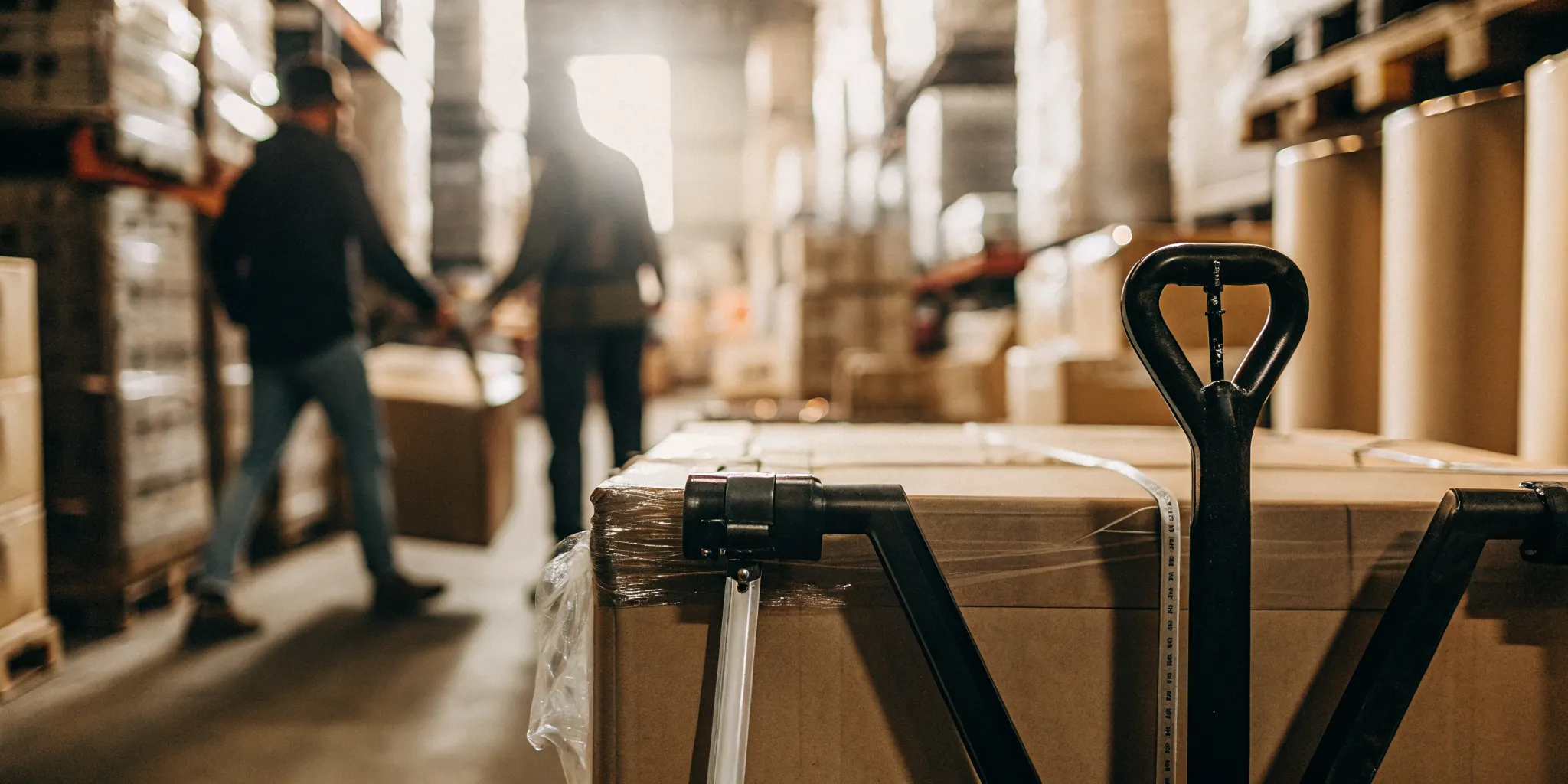
Unauthorized access to totes, bags, and IBC valves can disrupt operations and break the chain of custody. Plastic security seals give teams a fast visual check and a serialized record of whether a light-duty closure was opened.
Request a quote for STiER plastic security seals matched to your closure points and audit workflow.
Plastic security seals are indicative devices designed to provide clear, visual evidence of unauthorized access to cargo and equipment. They do not replace locks or ISO 17712 high-security container seals. Instead, STiER plastic security seals help operations teams find breaches in bags, totes, IBCs, carts, and similar light-duty applications while maintaining a documented chain of custody.
Choosing the right seal starts with the closure point, required strap length, break strength, serialization, and removal process. The following guide explains where these seals fit and where a higher-security option is required.
What are plastic security seals?
Plastic security seals are tools used to show if someone opened a container or bag. These seals are often called indicative seals because they indicate a breach. Unlike heavy locks, these seals do not stop a person from getting in. Instead, they leave clear proof of tampering that a person can see during an audit. They are a low-cost way to watch over your goods and keep them safe.
How tamper evidence works
Most plastic security seals have unique numbers or marks on them. These serial numbers help companies track their items as they move through a supply chain. If a seal is cut and replaced with a new one, the number will not match your shipping log. This simple check helps maintain a safe chain of custody. It ensures that your team knows if anyone touched the cargo before it reached its end point.
Using these seals is a key part of good supply chain security. The U.S. Customs and Border Protection suggests keeping a clear log of every seal used. This practice helps find exactly when and where a security break happened. STiER can help match seal length, break strength, and serialization to your specific closure point.
Durable materials and custom seals
Plastic seals are made from strong materials like nylon or polypropylene. These plastics can handle extreme weather and rough handling during transit. Many seals have a thin strap or wire that fits through small latch holes. This design makes them useful for securing utility meters, cabinets, and medical kits. They are flexible yet tough enough for daily use in busy warehouses.
Making custom seals adds another layer of security. You can print your company name, a barcode, or a specific color code on each seal. This makes it much harder for someone to swap your seal with a generic one from a store. These custom marks help your team find your cargo quickly during a busy workday. It also helps with faster audits and stock checks.
Indicative versus high security
It is vital to know how plastic seals and high-security seals differ. Plastic seals are light and easy to remove with simple tools or even by hand. They work best for totes, bags, and fire extinguishers. They are not meant for the main doors of shipping containers on international routes. For those tasks, you need a seal that provides more physical strength.
For heavy cargo, you must use plastic and high-security cargo seals that meet ISO 17712 standards. These high-security seals are made of steel or thick wire and require heavy cutters to open. While plastic seals show if a door was opened, high-security seals provide physical strength to stop theft. Both types of seals have a place in a full security plan for your business assets.
| Feature | Plastic Security Seals | High-Security Seals |
|---|---|---|
| Material | Polypropylene or Nylon | Steel Bolt or Cable |
| Primary Goal | Tamper Evidence | Physical Resistance |
| Standard | Indicative | ISO 17712 Certified |
| Removal | Hand or Scissors | Heavy-Duty Cutters |
| Best Use | Totes and Utility Meters | Shipping Containers |
| Cost | Low cost per unit | Higher cost per unit |
How to choose a plastic seal for the closure point
Teams must pick a seal that fits both the asset and the task. The best choice shows clear proof of a breach. STiER plastic security seals work well when they match the physical needs of the lock. You must think about the size of the hole and the way staff will use the seal. A good fit keeps the seal from snagging or breaking by mistake.
Check the size and shape of the latch
The first step is to look at the opening where the seal will go. Some latches have small holes that only fit thin straps. Other latches have wide bars that need more room. You must ensure the seal is not too loose. A loose seal can get caught on other gear during a move. A seal that is too tight might snap if the cargo shifts even a small amount.
You also need to think about how you will pull the seal shut. Some seals have teeth that grip the strap. These let you pull the seal to the exact size you need. Other seals have a fixed length. These are often easier to use for trucks or doors that have standard sizes. Making sure the seal fits the latch is the best way to keep your assets safe.
Follow these steps to find the right seal
Picking the right hardware for your supply chain requires a clear process. Use these steps to match the tool to your security needs.
- Find the type of lock on your gear to make sure the seal will pass through the hole.
- Choose a seal length that lets the strap stay snug without being under too much pull.
- Pick a break strength that fits how you handle your gear and the tools you use to open it.
- Check that the seal color is easy to see against the asset for quick visual checks.
- Use seals with unique numbers to stop anyone from swapping a broken seal with a new one.
- Decide if you need barcodes or QR codes to help your team scan items into a digital log.
Use the seal in your audit plan
A seal only works if you track it. Your plan should have a way to log every seal number. This helps your team find a breach as soon as it happens. Tamper-evident seals are made to show clear proof of entry that cannot be hidden. If a seal is missing or changed, you will know right away.
You should also store your seals in a safe place. Only trained staff should have access to them. U.S. guidelines from CBP suggest that firms keep a log of who gets each seal. This makes it easy to see who locked each load. Using plastic security seals for varied applications helps keep your supply chain safe from start to end.
Best uses for bags and sacks
Plastic security seals are a top choice for closing bags and sacks. They provide a clear sign of tampering for items that do not need a metal lock. These seals work well for mail, cash, and laundry bags. Since they are easy to use, teams can set them up fast. They help track the chain of custody for many types of cargo. These seals are not meant to stop a thief with tools. Instead, they leave clear proof of any break-in. They are a key part of any plan to keep assets safe in the supply chain.
Securing mail and document bags
Mail sacks often hold private papers or data. Using plastic security seals helps keep these items safe. These seals act as indicative tools. They do not stop entry by force, but they show if someone tried to open the bag. This is key for firms that move legal or health files. These seals are a great fit for light tasks where proof of a breach is a must.
- Courier bags for bank runs
- Mail sacks for bulk post
- Document bags for law firms
- Laundry bags for hotels
When you use these seals, you create a trail of proof. Each seal has a unique number for easy tracking. You can find plastic security seals for varied applications that fit many bag sizes. For thin mailers, a small pull-tight seal works best. It keeps the neck of the bag closed tight during shipping. This stops people from reaching inside without breaking the seal.
Cash and high-value transport bags
Bags used for cash or shop sales need high levels of trust. Plastic strap seals are perfect for these tasks. They come in many lengths and strengths to meet your needs. Most cash bags use a pull-tight seal that you can cinch by hand. This ensures a snug fit around the bag closure. Using these seals helps to fight theft and smuggling in the supply chain.
These seals are a low-cost way to protect assets. They help stop loss and keep the cargo safe. For the best safety, seals should be kept in a locked place. Only trained staff should have access to them. This rule is a recommended seal procedure from the state. It helps prevent the use of fake or stolen seals. A witness should also watch as the seal is put on the bag.
Best practices for audit checks
To get the most from your seals, you must follow a good audit plan. This starts with keeping a seal log. Every time you use a seal, write down its number and the time. This helps you find where a break might have happened. Check your stock at least once a year. Proper logs help you maintain a tight chain of custody for all shipments.
When a bag arrives, staff should use the "View, Verify, Twist, and Tug" (VVTT) method. First, view the seal to see if it looks broken. Then, check the number against the log. Twist and tug the seal to make sure it is still strong. If a seal looks bad, you must report it to the right people. Using serialized plastic security seals with clear numbers makes this process much faster. Custom seals with your brand or name can also help you track bags with ease.
Securing totes, carts, bins, and cages
Locking up large cargo ships is a top goal for most firms. But small tools like totes, carts, and bins also need a lot of care. These items often hold high-value goods or parts that must stay safe. Using serialized plastic security seals is a smart way to watch these assets. These seals give a clear sign if someone tries to open a bin or cage. This helps keep your supply chain safe and keeps your team on track.
Managing asset control workflows
Good safety starts with a solid plan for your tools. You must track every seal from the moment it arrives at your site. The CBP says that you should keep a seal log to record every unit you use. This log must list the seal number, the date, and the person who put it on. This creates a paper trail that anyone can follow. It also makes it much easier to spot a missing item before it is too late.
Stock lists should be checked at least once a year. This check helps find gaps in your work steps. It also ensures that your bins and carts stay shut until they reach their end goal. When you know where every seal is, you reduce the risk of loss. This simple act builds trust with your clients and partners. It shows that you take the safety of their goods with great care.
Maintaining a clear chain of custody
A chain of custody shows who had control of an item at every step. Plastic seals are great for this because they are tamper-evident tools. This means they are made to show clear proof of a break. They do not stop someone from getting in by force. But they make it easy to see if a cage or cart was opened by someone who should not have been there. Using these seals helps stop theft and loss in your warehouse or store.
You should use a team approach when you put on a seal. One person should put it on while another person watches them. This helps make sure the seal is tight and the number is logged right. It also stops one person from acting alone to steal goods. This two-person rule is a best way to keep your carts and bins safe. It adds a layer of safety that is hard to beat with just locks alone.
Serial numbers and custom tracking
Every plastic seal should have its own serial number. This number is the main key to tracking your goods as they move. You can also get seals with your firm name or logo on them. This makes it even harder for someone to swap a broken seal with a new one. When you use plastic security seals for many uses, you create a strong shield. This step can save your firm money by preventing lost or stolen stock.
Custom seals also help with sorting. You can use many colors for each type of good or zone. For example, red seals could mean high-value items, while blue seals are for bulk parts. This visual system helps your team work faster without losing safety. It makes it easy to spot the right bin or cart from across the floor. This saves time and keeps your work flowing well.
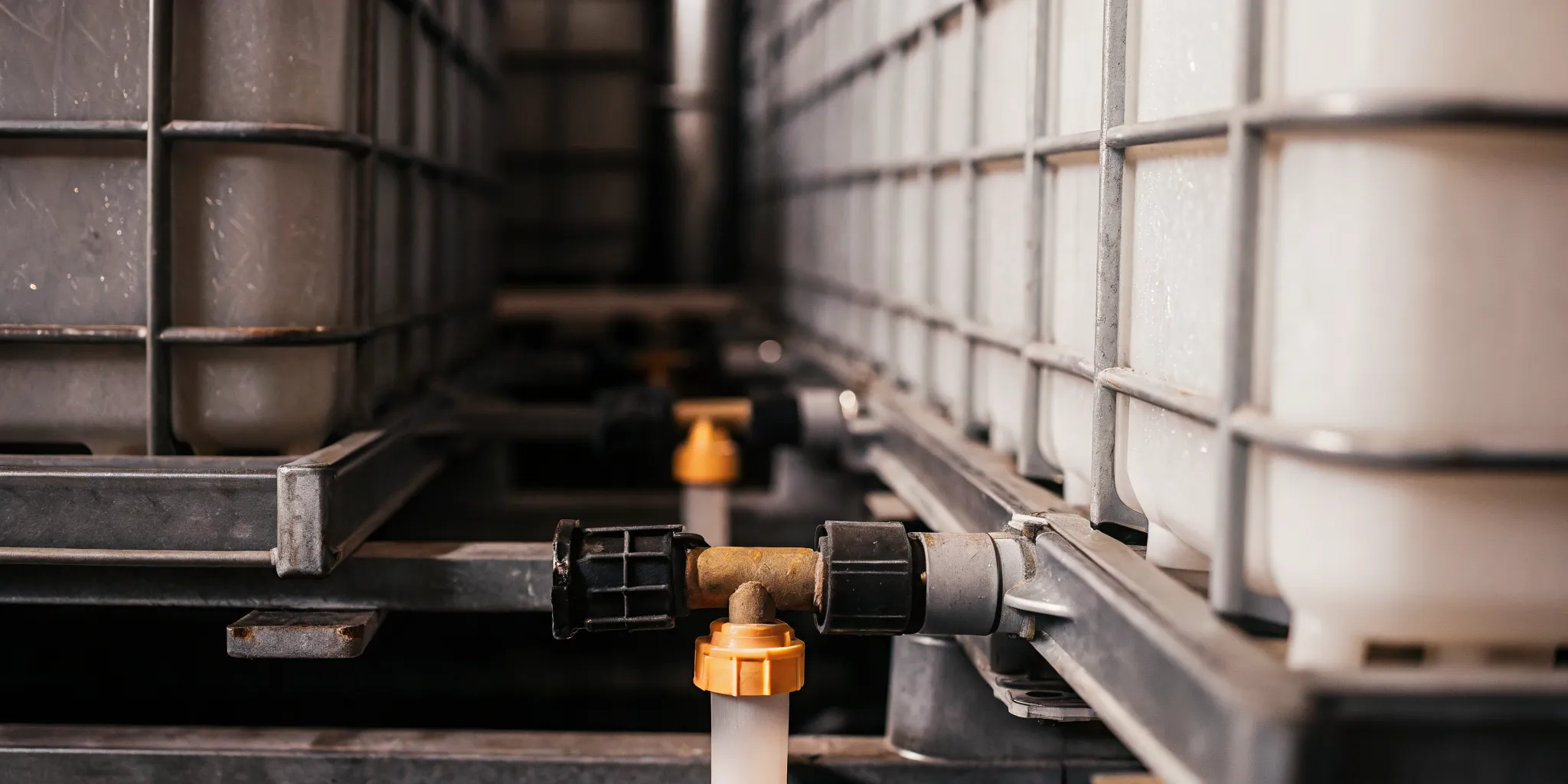
Can plastic seals be used on IBCs and equipment?
Yes, you can use plastic security seals on IBCs and many types of gear. These seals help you track your goods. They fit well on caps, valves, and small ports. But you must know how they work. They are for proof of safety, not for stopping a thief.
Securing IBC caps and valves
Intermediate Bulk Containers (IBCs) hold large amounts of liquid or dry goods. These items can cost a lot of money. You can put tamper-evident seals for bulk cargo on the top lids. You can also use them on the discharge valves at the bottom. These seals go on fast by hand. They come in many colors to help you sort your stock.
Using a seal on a valve shows that no one has drained or swapped the contents. This helps keep the chain of custody clear. It is a smart way to watch over your bulk stock during transit or storage.
Signs of a breach
A plastic seal is a tool that shows signs of a breach. It is not a strong lock. It will not stop a person who wants to get in. Instead, it leaves clear proof if someone moves it. Experts say that tamper-indicating seals are made to show signs of entry rather than to block it by force. If the seal is broken or gone, you know your goods are at risk.
These seals are best for tasks where you just need to see if a lid was opened. They are cheap and easy to use. This makes them good for plastic security seals for varied applications across your warehouse or job site.
Proper seal use
To get the most from your seals, you should keep a log. Write down the seal number and where you used it. This stops people from swapping a broken seal for a new one. Regular checks of your gear help you spot problems early.
Many other tools and small bins need this kind of care. You can use plastic seals on carts, first aid kits, and small totes. They work well on any door or box that does not need a heavy lock. Since they break easily with a quick pull or snip, they are great for gear you need to reach in a hurry.
Keep in mind that these are light-duty tools. For high-risk shipping, you may need a bolt or cable seal. Those must follow strict rules from the CBP for high-security seals. But for most daily jobs, a simple plastic seal is the best way to keep your gear safe.
When does the DS-F 400 NT fit the job?
The DS-F 400 NT is a flexible tool for many B2B security needs.
Ask STiER whether the DS-F 400 NT fits your application and request a quote based on volume and customization needs.
It works best for cargo that needs a clear record of safety but does not need a heavy metal lock. These serialized plastic security seals help teams track goods through every step of the move. They are light, easy to use, and fit many roles in a large supply chain.High-volume logistical needs
Many firms use the DS-F 400 NT for bags, totes, and smaller bins. It is a great pick when you need to secure many items at a low cost. While it does not stop a thief from breaking in, it shows a clear sign if someone tries to open the load. This makes it an "indicative seal" as defined by experts at the University of North Texas. It leaves a mark that no one can erase once the seal is broken. Logistics teams often pick these seals for internal moves or short trips. They help keep the chain of custody strong. By using a seal that is easy to snap off by hand or with simple tools, workers can move fast. But they still get the proof they need to know the cargo is safe. This balance of speed and safety is a big plus for busy docks.Why choose the DS-F 400 NT?
The DS-F 400 NT has self-locking prongs that make it easy to set. You do not need tools to lock it, which saves time for your crew. When you buy these seals, you can also look into merging your orders. Getting all your locks and seals from one source makes your work simpler. STiER helps by giving you one point of contact for all your security hardware needs. Since these seals are part of a quote-based system, you get the best deal for your volume. Large orders often lead to better rates. This helps you keep your costs down while you keep your cargo safe. If you have questions about how these fit your specific needs, you can request a quote for more details. This way, you get the right seal for the right job every time.Customization for audit trails
Serialization is a key part of using the DS-F 400 NT well. Each seal can come with its own unique number. This allows you to track every single bin or bag in your log. Standard CBP seal logs help teams record who put the seal on and when. This creates a full audit trail that is easy to check at any point. You can also ask for custom prints on your seals. Adding your brand or a special code makes them harder to swap out for fakes. This adds a layer of safety for your most important goods. Custom seals also help your team find their cargo in a crowded yard. With clear marks and numbers, you can find what you need and keep your work moving without any delay.Where should you not use plastic security seals?
Plastic security seals are a great way to keep your goods safe. They show if someone tried to open a box or bag. But these seals are not for every job. You must know when a plastic seal is not enough to keep your cargo secure. Using the wrong tool can lead to loss or theft.
Weak physical safety
One common error is using a plastic seal to stop a thief. These are tamper-indicating devices meant to show proof of a breach. They are not strong enough to act as a real lock. If you need to stop a person from breaking in, you will need a metal bolt or cable seal. A plastic seal can be cut with simple tools. This makes them poor choices for doors that need real force to stay shut.
Plastic seals work best for plastic security seals for varied applications like food bags or health carts. In these cases, you only need to know if someone looked inside. You do not need a heavy lock to keep people out. Use a plastic seal when you want to track who opens a box. Do not use them when you need to stop a break-in.
High-security shipping rules
If you ship goods across the border, you must follow strict rules. Many shipping jobs need high-security seals that meet ISO 17712 standards. Plastic seals do not meet these rules for large cargo containers. For these tasks, the CBP requires high-security seals made of metal. These seals are much harder to break and offer better safety for your goods.
You can find the right plastic and high-security cargo seals for your fleet in our store. Using the wrong seal for a container could lead to big fines or delays at the port. Customs agents look for the right seal on every ship or truck. If you use a plastic seal where a metal one is needed, your cargo might be held for a long time. This can cost your business a lot of money.
Poor audit trails and logging
A seal is only as good as the system you use to track it. If you do not write down the seal number, the seal is not helpful. You must log every seal when you put it on. Then, you must check it when the cargo arrives. If your team does not have a plan to verify the numbers, even the best plastic security seals will fail. A thief could cut your seal and put a new one in its place if you do not check the ID number.
You should also have a plan for how to remove the seals. If you do not have the right tools to cut the seal, you might damage the door or bag. Make sure your staff knows how to check the seal before they take it off. They should use the "View, Verify, Twist, and Tug" method. This helps them see if anyone messed with the seal during the trip. You must also match the seal size to the latch. A loose seal is easier to bypass or break by mistake.
Frequently Asked Questions
What are plastic security seals used for?
Plastic security seals are useful tools used to track and secure items in a shipping chain. They are common on mail bags, plastic bins, and cargo bins to show if someone opened them. According to UNT research, these seals leave clear proof of a breach. They help owners know their goods stayed safe during the trip.
Are plastic security seals tamper-evident?
Yes, plastic security seals are built to be tamper-evident. While they do not stop a person from breaking in, they leave clear signs if someone tries. This might include a broken strap or a damaged lock. As noted by Michigan State University, this design helps companies find where and when a breach happened. This makes it easy to keep cargo safe.
How are plastic security seals applied?
Most plastic security seals are very easy to use. You simply pull the strap through the locking head and tighten it by hand. This creates a one-way path that cannot be undone without breaking the seal. Since they are for light tasks, you can often remove them with simple tools. Some even have a tear-off part so you can pull them off by hand.
Can plastic security seals be personalized?
Yes, you can add custom details to your plastic security seals. Many companies add their logo, name, or a set of serial numbers to the seal body. This adds a layer of safety. It prevents a person from changing a broken seal with a plain one. Custom seals make it easy to track specific bags or bins as they move in a truck.
Can plastic seals be recycled?
Most plastic security seals are made from HDPE or other plastics that you can recycle. After you break the seal to open a bag or bin, you can place it in a recycle bin. This helps reduce waste in a warehouse or office. Check with your local waste team to be sure they take these items. This is a green way to keep your cargo secure.
Ready to secure your cargo and stop theft with plastic seals?
Failing to close small safety gaps now can lead to big losses and theft that is hard to prove if you wait to act. Using plastic seals today builds a strong audit trail for your firm, which helps your team meet trade rules and find supply chain leaks. This simple step stops issues before they grow into costly problems so you can save time and keep all your goods safe on every trip.
Ready to request a quote? Contact STiER Security Seals to discuss your plastic seal application. We will help you choose a suitable design, serialization approach, and customization options for your closure points and audit workflow.