

One mismatched seal number can stop a shipment at the border, trigger an investigation, and put a customer relationship at risk. Supply chain compliance turns that avoidable disruption into a controlled process by connecting trade rules, physical cargo security, vendor oversight, and auditable records.
Request a quote for ISO 17712 high-security seals that support your supply chain compliance program.
Supply chain compliance is the process of meeting all legal and safety rules that govern the movement of goods across borders. This practice involves following regional and international trade laws, such as the Customs Trade Partnership Against Terrorism (CTPAT) requirements used across the Americas. A proactive approach to these rules helps logistics professionals prevent expensive shipping delays, heavy fines, and lasting damage to their business reputation. Effective compliance programs also rely on regular audits of security processes to find and fix weak points before they cause an operational failure. By maintaining clear records and proof of safety, companies can ensure their cargo moves quickly and safely through every checkpoint. Regular audits and documented security protocols are essential for staying compliant in a changing global market.
Logistics managers must understand the specific steps needed to keep their cargo moving without delays. Knowing exactly What does supply chain compliance require? is the first step toward building a strong security strategy. This guide breaks down the key rules and physical tools needed to maintain a secure operation. The path begins with
What does supply chain compliance require?
Supply chain compliance means following the rules for how goods move from one place to another. It includes laws, trade norms, and fair ways of doing business. Firms must track every step to meet trade and safety goals. Failure to follow rules can lead to big fines. A solid plan helps you find risks and keep your work on track.
Compliance is not just about avoiding fines. It is about building a brand that partners can trust. When you follow the law, you reduce the risk of lost time. Good compliance starts with a full view of your partners. You need to know who makes your parts and how they ship them. This work helps you stay safe from legal traps and bad press. It also makes your shipping more smooth over time.
High security cargo standards
Physical security is a key part of supply chain compliance. Firms must use tough tools to keep cargo safe from theft. High-security seals help meet these goals. The security seals for supply chain compliance should meet ISO 17712 requirements for mechanical security seals. These seals show if someone tried to open a box before it reached its home. This helps keep the chain of custody and keeps goods safe during transit.
Bolt seals are a top choice for shipping containers. These seals require special tools to remove. You must also use seals that meet ISO rules. These seals are strong enough to stop quick theft. They also come with unique marks for tracking. Each seal is a link in your safety chain. Using the right seal protects your brand and your cash flow. It also keeps your cargo ready for checks at any time.
Trade laws and labor rules
Compliance also involves trade laws that rule how goods enter the country. Programs like CTPAT help firms watch their own work. This CBP program gives perks to firms who commit to high security. The CTPAT Trade Compliance program is a choice for firms that want to do more. It shows a strong pledge to safe trade. Firms must also watch for labor issues in their supply chains.
The UFLPA law stops goods made with forced labor from entering the U.S. market. Customs agents look for proof that goods are clean. You need clear records of where your products come from. This helps you pass checks and keep your goods moving. Managing rules helps firms avoid waits at the border. It also shows you are a trusted part of the global trade network.
Vetting and quality systems
Vetting vendors is a key step in the process. Shipping teams should check if their partners follow clear rules. An ISO 9001 system shows a firm uses a quality plan. This helps ensure that products meet all legal needs every time. Vendor merging can also help by making it easier to watch over fewer partners. By working with trusted sources, teams can find and fix risks faster.
Frequent checks help you stay on top of new risks. You should train your team to spot red flags in vendor work. Good record-keeping is also a must for any check. It proves that you follow your own rules and the law. This builds a strong path for safe and legal trade across all borders. Clear steps for a clean supply chain include:
- Checking vendor ISO marks to be sure of quality.
- Using unique marks on seals to track every box.
- Keeping clear notes for every step of the shipping path.
- Merging vendors to make watching them more simple.
Map the rules that apply to each shipment
Know your cargo rules
Every shipment faces a unique set of rules based on what you move and where it goes. A load of store goods crossing a land border has different needs than a bulk load of liquids on a sea ship. Learning the cargo security and supply chain compliance rules for your field is the first step to avoid fines.
Mapping these rules helps you build a tough network that can handle quick shifts in trade laws. You must check local customs rules and global pacts that say how goods move. Failure to follow these steps can lead to lost cargo or high legal fees.
Global standards for safety and quality
Many firms look to global standards to make their work easy across borders. ISO 9001 is a common rule that ensures a firm follows a quality system. This helps firms give products that meet both user and legal needs every time.
In the world of shipping, ISO 17712 is the main standard for high-security locks. It says how strong a seal must be to stop theft or tampering during a trip. There are three main types of seals under this rule. Using the right type is often a hard rule for moving goods into certain ports.
Safe trade programs can also give you a big lead. The CTPAT Trade Compliance program is a key choice for firms working in the Americas. By joining, firms pledge to watch their own security steps. In return, they get perks like shorter wait times at borders and fewer checks of their cargo.
This program works with laws like the Uyghur Forced Labor Prevention Act to keep supply chains clean. It asks that all boxes stay locked with a high-security seal that meets the best ISO 17712 rules. This builds a strong defense that protects both the firm and the buyer.
| Rule | Main Focus | Key Need |
|---|---|---|
| CTPAT | Supply chain safety | Risk checks and seal steps |
| ISO 17712 | Mechanical seal strength | Tests for high-security marks |
| ISO 9001 | Quality management | Steady ways to make goods |
| DSCSA | Pharma tracking | Unique numbers for drug safety |
| FSMA | Food safety | Rules to stop bad germs |
Industry safety laws
Some fields must follow even tougher rules to keep people safe from harm. The Drug Supply Chain Security Act (DSCSA) is vital for pharma firms moving goods through the US. It asks for serialized tracking of medicines to stop fake drugs from being sold. This means every seal must have a unique number that stays in a digital system.
For those in the food field, the Food Safety Modernization Act (FSMA) sets the bar for safety steps. Both rules rely on tamper-evident tools to prove that goods stayed safe from the plant to the shelf. Using security seals for supply chain compliance helps you meet these goals with ease.
Using the right transport security and supply chain compliance seals is a simple way to meet these goals. These tools provide a clear trail that shows no one touched the cargo. This level of detail is often needed for high-stakes tests or when moving goods through risky areas.
By mapping out these rules early, you can pick the best seals for your needs. It also helps you work with teams who know these rules. A good partner will give you pre-tested seals that are ready for a check. This saves you time and cuts the risk of human error during the shipping process.
How do you build a practical compliance program?
Building a strong program takes time and clear goals. You must look at every part of your network. This includes your own staff and all your vendors. A good plan helps you follow laws and keep cargo safe. It also protects your brand from big risks. An active approach to supply chain compliance helps prevent costly delays, fines, and reputation damage in the logistics industry. New laws like the Uyghur Forced Labor Prevention Act now require even more care. Firms must prove that their goods were not made with forced labor. This means you need a plan that looks deep into your sources.
Mapping the network
You cannot fix what you cannot see. Start by making a map of all your partners. Look at your first tier and second tier vendors. Find out where they are and what they do. This helps you find high risk spots. A clear map is the base for all other steps. Compliance teams often create diagrams of all helpers and vendors to find risk zones. This view is needed for acting quickly to security threats or compliance stops. When you map your flows, you can see where cargo is most at risk. This helps you pick the right spots for extra safety checks.
- Map your cargo flows. Find every vendor and other firm in your network to see where risks might hide. Knowing who touches your goods at each step is the first part of a strong plan.
- Check your safety risks. Use a risk plan to find which parts of your move are most likely to have theft. You should look for spots where cargo sits still for a long time.
- Write a clear policy. Set rules for how to handle goods and what tools, like seals, must be used. This document should be easy for all your partners to read and follow.
- Pick your safety tools. Choose the best seals and digital tools to protect your goods and track them. Multi-layered security uses both physical barriers and digital tracking to keep cargo safe.
- Give one person the lead. Make one person in charge to watch the plan and make sure people follow rules. Having a single point of contact makes it easier to fix problems fast.
- Train your whole team. Teach your staff and partners how to use tools and how to report odd signs. Proper training is critical for the effective use of security measures.
- Run steady checks. Review your work often to see if your plan works and how to make it better. Regular audits of security processes are a best practice for finding potential gaps.
Selecting security controls
Your program should follow global rules. Many firms use the CTPAT Trade Compliance path to stay safe. This plan helps you watch your own work to get trade perks like faster border moves. Following regional and international trade laws is a core part of supply chain compliance in the Americas. You should also use security seals for supply chain compliance that meet high standards. Using seals that meet ISO 17712 standards ensures you have the strength needed for global trade.
Using high-quality seals can help you join your vendors and simplify how you buy tools. A good vendor will have ISO 9001 quality systems in place. This ensures that every seal they make meets your needs. These tools provide a clear sign if someone tries to open your cargo. They also allow for single tracking when they have unique serial numbers or barcodes. When seals are easy to track, you can see where a breach happened and who was in charge at that time.
An active plan is the best way to stop delays. It keeps you ready for checks and avoids fines. When you use the right seals and follow a set process, you build a strong program. This keeps your goods moving without a hitch and ensures your brand stays safe for years to come.
Turn policy into physical cargo controls
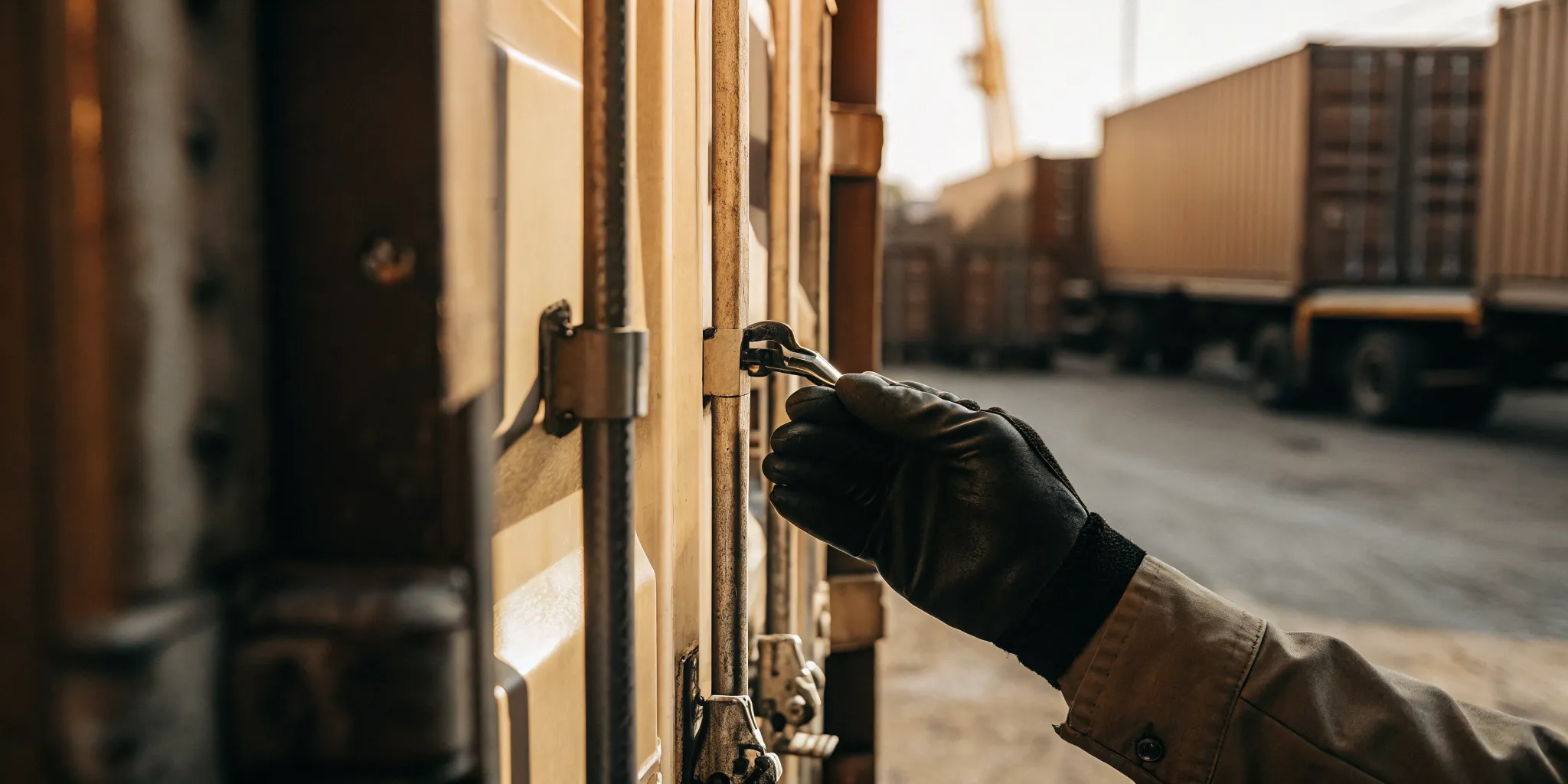
A strong security plan only works when you turn it into real action on the ground. Physical barriers are the first line of defense in security seals for supply chain compliance. These tools stop theft and help you meet strict trade laws. A layered approach that uses both physical locks and digital tracking is best for modern shipping needs. You must use certified seals to keep cargo safe as it moves through various ports and hubs.
Role of ISO 17712 high security seals
International standards help keep global trade safe and uniform. The ISO 17712 standard sets the rules for mechanical seals used on shipping containers. These seals must be strong enough to resist force and show clear signs of any tampering. Bolt seals and cable seals are common types that meet these high-security needs. Using these certified products is a key part of cargo security and supply chain compliance for most firms.
High-security seals go through tough tests to earn their rating. They must withstand cutting, pulling, and impact. This ensures they can protect cargo in harsh spots. When you pick a seal, look for one that carries the ISO mark. This mark shows the seal meets the rules for global shipping. It helps you avoid delays at borders where customs agents check for proper security steps.
Serialization and chain of custody
Knowing exactly where your cargo is helps prevent loss and errors. Serialization of security seals allows for tracking of every shipment. Each seal has a unique code or barcode that you can scan into your system. This makes it easy to match a container with its seal number at every stop. It creates a clear paper trail that is vital for transport security and supply chain compliance.
A solid chain of custody depends on accurate records. When a container moves from one hand to the next, the team must check the seal number. If the number does not match the record, it signals a problem right away. Tamper-evident tools on these seals help maintain this chain. It ensures that any attempt to open the container leaves a trace that staff can see during a quick check.
Inspection and discrepancy escalation
Regular checks are the best way to catch security gaps before they lead to big losses. Your team should inspect seals at every transfer point. They need to look for cuts, scratches, or any signs that the seal was moved. Proper staff training is critical to making these checks work well. Staff must know how to spot a fake seal or a damaged one. They also need tools like hydraulic bolt seal cutters to remove seals safely when the cargo arrives.
What happens when a check fails is just as important as the check itself. You need a clear plan for what to do when a seal is broken or missing. This is called a discrepancy escalation process. The team must stop the shipment and report the issue to the security manager. Quick action helps find where the breach happened. It also helps you stay in line with rules like CTPAT, which need fast reporting of security incidents.
What records prove supply chain compliance?
Strong record-keeping is the backbone of any security program. For companies moving goods across borders, supply chain compliance requires more than just physical locks. You must maintain clear logs that show who handled the cargo and when. These records serve as a paper trail for audits and help you find risks before they lead to losses.
Audit trails for security seals
A complete audit trail starts the moment you receive a shipment of seals. Each high-security seal should have a unique serial number. Tracking these numbers allows you to prove that a specific seal was on a specific container at a given time. This process is vital for cargo security and supply chain compliance. It helps prevent seal switching during transit.
You should record the seal number on the bill of lading and other shipping forms. When the cargo arrives, workers must check the seal for signs of tampering. If the seal is broken or the number does not match, you must file an exception report right away. This data helps you track the chain of custody. It also helps you meet documented tamper-evidence procedures for sensitive goods.
Digital tracking and physical proof
Many firms now use digital systems to manage their security logs. You can scan barcodes or unique IDs on seals to link them to your inventory software. This mix of physical barriers and digital tools creates a multi-layered defense. It also makes it easier to pull up records during a spot check or a full audit by customs officials.
Regular audits of these records are a best practice to keep your operations ready. These checks help you spot patterns, such as a high rate of seal failures at a certain port. By using this data, you can make better choices about which vendors or routes to use. Firms that take a proactive approach to compliance often avoid the costly fines and delays that hit less prepared peers.
Retention and audit readiness
Proving compliance also means keeping your records for the right amount of time. While rules vary, you should have a clear policy for how long you save seal logs and inspection reports. Keeping these files organized ensures you can respond to requests from groups like CTPAT without delay. Clear proof of your security steps builds trust with both regulators and customers.
Review STiER security seal applications to match the right physical control to each shipment.
Train, audit, and improve the operation
Your security plan is only as good as the people who run it. Even the strongest seals can fail if your team does not use them right. You must set up a clear way to teach your staff and check their work. This keeps your security seals for supply chain compliance working as they should.
Why training is vital for security
Staff training is the first line of defense in cargo security. Your team needs to know the exact steps for seal use. This includes how to check a seal for damage before it goes on a container. They should also know how to record seal numbers in your tracking system. Proper employee training on security steps is key for a safe supply chain.
When workers follow a set plan, you reduce the chance of simple mistakes. Errors are a big risk in supply chain work. If a seal is loose or not logged, it can cause delays at the border. Good training makes sure everyone knows their role. This leads to a safer and faster flow of goods.
How to run a cargo security audit
Regular audits are a must to stay in line with rules like CTPAT. These checks help you see if your team follows the rules every day. You should look at how seals move through your site. Ask who can touch the seals and where they are kept. Regular audits of security paths are a best practice for finding weak spots.
A good audit looks for gaps in your chain of custody. You can use the CTPAT Trade Compliance program as a guide for these checks. This program helps you watch your own work to get better gains at the port. During the audit, check that seal logs match the physical seals on your trucks. If they do not match, you need to find out why.
Improving your supply chain work
When you find a problem during an audit, you must fix it right away. This is how you improve your work over time. You might need to update your training or change how you store seals. Sometimes, adding a new step to your check-out process can stop theft.
Using tools like auto-logs can help a lot. These tools help cut down on human error and make your data more solid. These systems can track seals in real time. This gives you a clear view of your cargo at all times. If a seal is broken, you will know exactly when and where it happened. This level of detail is key for fixing gaps and keeping your supply chain secure.
Security is not a one-time task. It is a loop of training, doing, and checking. You should update your plan as rules change or new risks pop up. Listen to feedback from your team on the ground. They often see problems first and can suggest good fixes. By always looking for ways to get better, you protect your brand and your cash flow.
Talk with STiER about serialized, high-security seals for a stronger cargo compliance program.
Frequently Asked Questions
What are common examples of supply chain regulations?
Many rules govern global trade and shipping. For instance, the Uyghur Forced Labor Prevention Act stops goods made with forced labor from entering the United States. Other key rules include REACH and RoHS, which focus on product safety and chemicals. There are also rules for conflict minerals. Following these laws helps firms avoid big fines and keeps goods moving through ports without long delays or legal trouble.
How does technology help manage supply chain compliance?
New tools help firms track their vendors and goods in real time. Using software can reduce human error and make security steps more steady. For example, security and tracking software helps teams find risks faster and keep better records. Tech also helps with digital tracking of cargo through the whole trip. This data makes it easier to show that a firm meets all trade and safety rules during a check.
How do supplier audits support supply chain compliance?
Checking on your partners is a top way to find weak spots. Regular audits of security processes help you see if vendors follow your rules. These checks show if a partner meets quality standards and handles cargo safely. By doing these reviews often, you can fix small issues before they become big risks. This keeps your whole network safe and ensures every part of the chain follows the law and stays compliant.
How do you map a supply chain for compliance?
Mapping means finding every vendor and site in your network. This clear view is key for responding to security threats or new rules. You start by listing all direct and indirect partners. This helps you see where goods come from and where they go. Once you have a map, you can rank risks and set up better risk management steps. A clear map makes sure no part of your chain stays hidden or unchecked.
Ready to request a quote for high-security seals?
Failing to follow supply chain rules leads to high fines and shipping delays that stop your goods from reaching their final stop. When you do not use the right seals, you leave your cargo open to theft and risk failed audits that hurt your brand. Choosing to wait can cost you much more than the price of a strong seal if a security breach happens on your watch. You should act now to get the best protection so you can stay in line with the law and keep customers happy. A secure supply chain helps you grow and keeps your business running smooth every single day of the year.
Ready to request? Contact us today to request a quote for high-security seals and protect your cargo.