


Request a quote for ISO 17712-certified security seals from STiER.
Knowing what is ctpat security seals is vital for firms that ship goods across borders and follow U.S. rules. CTPAT, or the Customs-Trade Partnership Against Terrorism, is a voluntary plan that helps firms strengthen their supply chains and speed up border crossings. To stay in the program, members must use high-security seals on all containers and trailers going into the United States. These seals must meet the ISO 17712:2013 standard for physical strength and tamper evidence. U.S. Customs and Border Protection says CTPAT also mandates the use of Class H seals, which are the strongest kind ready for use. Using these certified seals helps stop illegal access to goods and ensures your firm keeps its trusted trader status. Without the right seals, your shipments may face many physical exams and long delays.
What Is Ctpat Security Seals: What is CTPAT? A plain-language overview
CTPAT stands for the Customs-Trade Partnership Against Terrorism. It is a team effort between the U.S. government and trade partners. This program started in 2001 to help keep supply chains safe. By joining, firms help to keep borders safe and cargo secure. It is a program where the government and businesses work as a team to protect the trade routes we all use.
The Customs-Trade Partnership Against Terrorism
This program is one layer of a plan to protect the United States. U.S. Customs and Border Protection (CBP) runs the group. They work with trade partners to find and fix weak spots in how goods move. This helps stop threats before they reach the border. Many types of firms join, such as importers and shipping firms. Each firm agrees to check its own safety steps to find ways to make them better.
Firms that join get some perks for their hard work. They may face fewer border checks. This can help goods move faster. To stay in the group, members must follow strict rules. These rules cover how they handle cargo and what tools they use to lock it. You can learn more about CTPAT-compliant high security container seals and how they meet these standards.
CTPAT rules for security seals
Members must use high-security seals for all cargo that moves across borders. A seal is a tool that shows if someone tried to open the cargo. It is more than just a lock. These seals must meet a high bar called ISO 17712:2013. This rule makes sure the seal is strong and hard to break. ISO 17712 puts seals into three groups based on how strong they are:
- Class I (Indicative) seals for basic needs.
- Class S (Security) seals for medium strength.
- Class H (High Security) seals for the best safety.
The CTPAT program mandates the use of Class H seals. They must pass tests in labs to prove they can stay shut under force. These tests help ensure the seals protect the cargo on its long trip. Using Class H seals is a key part of following the rules for safe trade.
Common questions about CTPAT safety
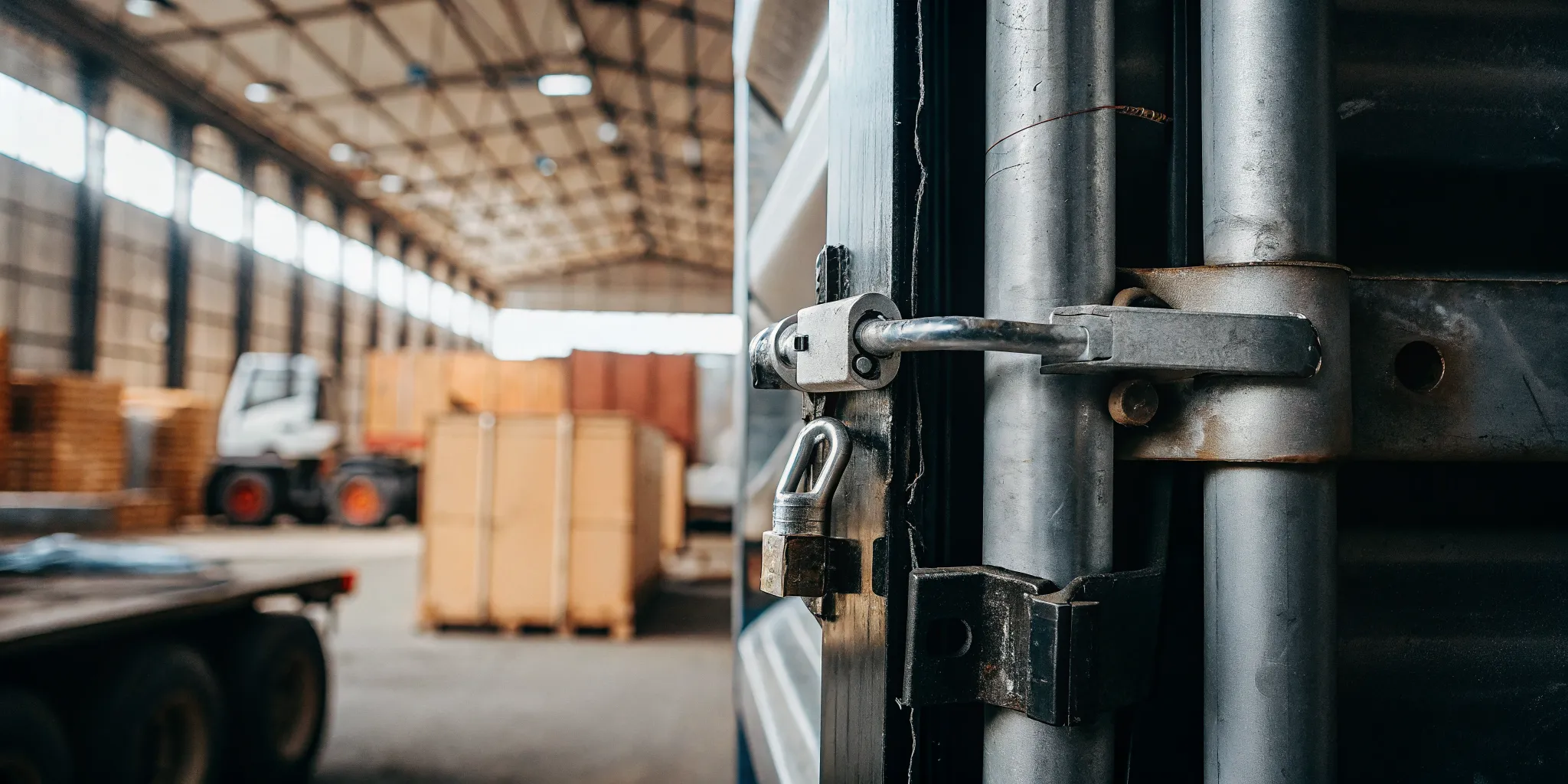
A common question is if all bolt seals are right for this program. The answer is no. A bolt seal must have a Class H rating to count. You should check for the "H" mark on the seal body. This mark proves it meets the rules for the program. Using ISO 17712 compliant security seals helps you meet these rules. It also shows that you care about the safety of your goods.
Another big question is about how often to check seals. Members must check their seal list at least once a year. This happens during a deep check of their own work. They also use a method called View, Verify, Twist, and Tug (VVTT). This helps to make sure the seal is on the right way. It also helps find if a seal was broken. This simple check is a key part of keeping the supply chain safe for everyone.
Why does CTPAT require ISO-certified security seals?
The Customs-Trade Partnership Against Terrorism (CTPAT) is a voluntary program from U.S. Customs and Border Protection (CBP). It helps secure global trade by setting high safety standards for firms. A core part of these rules is the use of CTPAT-compliant high security container seals on all global shipments. These seals must meet the ISO 17712:2013 standard to ensure they are strong enough to stop unauthorized entry.
The ISO 17712 standard
ISO 17712 sets the rules for how freight seals are made and tested. It groups seals into three classes based on their strength: indicative, security, and high security. CTPAT specifically needs "Class H" high-security seals for all containers. Using ISO 17712 compliant security seals ensures that your cargo meets the physical needs set by U.S. Customs and Border Protection.
To get this stamp, a seal must pass tough tests in an outside lab. These tests check how much force the seal can take before it breaks or shows signs of a struggle. For example, a high-security bolt seal must have a pull strength of at least 10 kN. This helps stop thieves from simply pulling or snapping the seal off during its trip.
Tamper evidence and audits
Beyond physical strength, certified seals must show clear signs of tampering. Makers must prove their designs have built-in features that make it clear if someone tried to open the container. This is key for CTPAT members who must do seal audits at least once a year. Regular checks help find gaps in the supply chain before they lead to lost cargo or legal trouble.
Good seal control is just as vital as the seal itself. CBP suggests using the "View, Verify, Twist, and Tug" (VVTT) method to check every seal. Firms should also store their security seals for logistics applications in a safe place. Only trusted staff should touch them to keep the audit trail clean and solid. Following these recommended seal procedures keeps your firm in good standing with customs officials.
Which seal types are accepted under CTPAT rules?
CTPAT rules say members must use high-security seals for all global trade. These seals must meet the ISO 17712:2013 rules to be valid. When firms ask what is ctpat security seals, they often look for Class H seals. These are the strongest seals you can buy. They stop theft and show if someone tried to open the cargo. All CTPAT cargo must have these seals to move through ports without extra checks.
High-security bolt seals
Bolt seals are a top choice for shipping containers and trailers. They have a metal pin and a locking cap. You snap them in place by hand, but you need a bolt cutter to take them off. Based on U.S. Customs and Border Protection, these seals must stand up to heavy force. Bolt seals are great for standard truck doors. They offer a strong wall that is hard to break. Their solid metal core keeps goods safe during long sea trips.
High-security cable seals
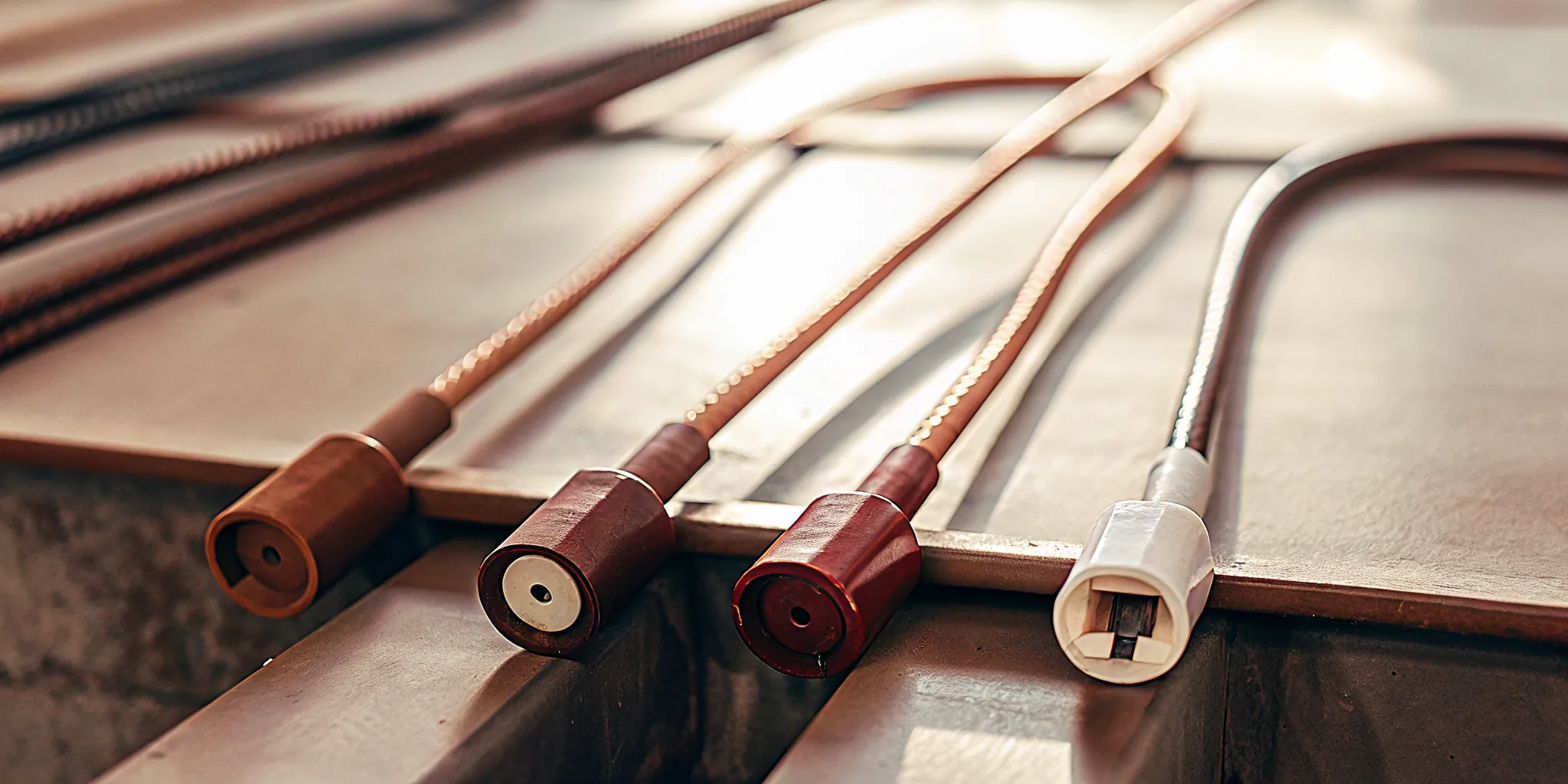
Cable seals use a steel wire to lock cargo. They are more flexible than bolt seals. This makes them a better fit for doors that do not shut well. You can also use them on tanker valves or hatches. Like bolt seals, these must be Class H to meet CTPAT rules. The steel cable is hard to cut without big tools. This helps keep your goods safe while they move across the world. Cable seals come in many lengths to fit any latch size.
ISO 17712 Class H grade
To count as a CTPAT seal, the part must have a "High Security" or "H" grade. This grade comes from tests done by outside labs. The labs check if the seal can take pulling, cutting, and hitting. If a seal is only "Indicative" or "Security" grade, it is not for CTPAT cargo. Using ISO 17712 compliant security seals helps you pass customs checks. It also lowers the risk of your load being held for a long time. These seals show clear signs of tampering if someone tries to open them.
Best practices for seal use
Even the best seal fails if you do not use it the right way. CBP suggests the VVTT method for every load. This stands for View, Verify, Twist, and Tug. First, view the seal to check for damage. Next, verify that the seal number matches your paperwork. Then, twist and tug the seal to make sure it is locked tight. This simple check ensures your cargo stays secure. It also helps you spot issues before the ship or truck leaves the dock.
| Seal Type | Best Use Case | Main Benefit | Removal Tool |
|---|---|---|---|
| Bolt Seal | Shipping containers | High strength | Bolt cutters |
| Cable Seal | Tankers and hatches | Flexible fit | Cable cutters |
| Barrier Seal | High-value loads | Full door lock | Power tools |
Picking the right seal depends on your cargo and the door type. Most CTPAT members keep both bolt and cable seals in their stock. This helps them have the right tool for the job. Always check the seal for the "H" mark before you lock the door. This small step can save you from big fines and long waits at the border. Strong seals lead to a smooth supply chain for every trade partner.
What happens if you use a non-compliant seal?
Using a seal that does not meet standards is a big risk for global trade. For many firms, the first question is what is ctpat security seals and why do they matter? If you are in the CTPAT program, you must use seals that meet ISO 17712:2013 high-security rules. Failing to do so can lead to cargo delays, big fines, and the loss of your trusted trader status.
Higher customs inspection rates
Poor seals are a red flag for customs agents. CTPAT members often have five times fewer exams than others. But if a border agent finds a weak or fake seal, they may flag the load for a full search. This causes long waits at the port. It can also cost a business much money in storage fees and lost time.
Fines and loss of program privileges
Using the wrong seal can lead to direct fines. Fines for poor seal control can range from $5,000 to $27,500 for each case. Beyond the money, bad habits might cause U.S. Customs and Border Protection to remove a firm from the program. This takes away the fast service that keeps goods moving.
Audit and chain of custody risks
Customs agents also look at your records during an audit. If your logs do not match your seals, you may face more checks. A strong chain of custody shows who had the seal and when it was used. Without this, you cannot prove that your cargo was safe the whole time. This gap in security can make your insurance costs go up. It can also hurt your name with your trade partners.
How to respond to a seal discrepancy
If you find a broken or wrong seal, you must act fast. Use the View, Verify, Twist, and Tug (VVTT) method to check each seal during the trip. If you find a mismatch, take photos and tell the right agents right away. Keeping a log of ISO 17712 compliant security seals helps prove your cargo is safe if you face an audit. If a seal shows signs of tampering, follow these steps:
- Notify your local customs office and the shipper before opening the unit.
- Check if the serial number on the seal matches your manifest.
- Use a camera to capture the damage or the wrong seal number.
- Replace it with a new, high-security bolt seal and note the change in your log.
- Ensure the new seal number is recorded in all shipping papers.
This clear trail shows that you take cargo security seriously. It helps protect you from claims and proves you followed best practices during the event.
The cost of lost trust
Beyond fines, the loss of trust is a major risk. CTPAT is built on the idea that firms help secure the supply chain. If you use non-compliant seals, you break that trust. This may lead to more stops for all your loads. For a busy logistics firm, even one extra stop can ruin a tight schedule. Using the right CTPAT-compliant high security container seals is the best way to keep your goods on the move.
How to get started with CTPAT seal compliance
The Customs-Trade Partnership Against Terrorism (CTPAT) is a program that makes global trade safer. Many new members ask what is ctpat security seals and how they work. These are high-strength locks that secure shipping containers. They are a key part of keeping your supply chain safe from theft or harm. By using these seals, you show U.S. Customs that you care about cargo safety. This can lead to fewer border delays and lower costs for your company.
High security seal standards
You cannot use basic seals for CTPAT rules. The program needs High Security seals, also known as Class H. These CTPAT-compliant high security container seals must pass tough tests for strength. A lab must check if the seals can resist pulling, bending, and hitting. The seals must also show clear signs if someone tries to open them. Using a certified seal from STiER ensures your goods meet the ISO 17712 rule for world trade.
Buying the right seals is just the first step. You also need a plan to track them. If a seal goes missing, your cargo could be at risk. Keep your seals in a safe, locked box. Only give them to a few trusted people. This stops people who are not allowed from getting a seal and using it to hide a theft. You should also check your stock once a year to make sure no seals are lost or stolen. Keeping a tight seal log is a core rule for staying in the CTPAT program.
Steps for seal compliance
- Pick Class H seals. You must use seals that meet the ISO 17712 high-security standard for all your cargo containers. These ISO 17712 compliant security seals are built to stop people from breaking into your goods.
- Check your paperwork. Make sure your seal seller gives you a lab paper. This paper proves the seal is strong enough for CTPAT rules. STiER gives you these papers with every quote to help you pass audits.
- Lock up your stock. Store all new seals in a secure area. Assign a specific person to hand them out. This stops seals from being lost or used by people who should not have them.
- Log the seal numbers. Every seal has its own ID number. Write this number on your shipping papers as soon as you lock the container. A clear log helps you track the cargo from the start to the end of the trip.
- Use the VVTT check. Teach your team to View, Verify, Twist, and Tug every seal. First, look at the seal for damage. Then, check that the ID number is correct. Last, pull on the seal to make sure it is locked.
- Audit your team. Run your own checks to see if workers follow the rules. Finding a small mistake now is better than finding it during a customs check later.
Staff training and audits
Even the best seal will fail if it is put on wrong. You must train your team to use and check seals the right way. Make sure they know how to spot signs of tampering, such as scratches or glue. When your staff knows what to look for, your supply chain stays strong. STiER can help with training tips and advice on how to manage your seals. This helps you keep your CTPAT status and protects your brand.
Certified seals only work with a controlled seal process
Buying the right tools is only the first step in a safe supply chain. Even the best high-security seals cannot protect cargo if your team does not handle them well. A strong plan ensures that each seal does its job from the moment it arrives until a worker removes it at the final stop. For firms asking what is ctpat security seals, the answer always includes a strict path for tracking and using those seals.
Store and track your seals
Your security plan starts with how you store your tools. U.S. Customs and Border Protection (CBP) says you should give seals to a set worker or group. You should keep them in a locked box to stop theft or use by people without a right to have them. Keeping a log of each unique seal number helps you find gaps in your security. You must also do a seal inventory at least once each year to stay in line with CTPAT rules.
Apply and check each seal
When it is time to load a trailer or box, your team needs to follow a set path. After you pick a seal, write the number on all shipping papers. CBP suggests the View, Verify, Twist, and Tug (VVTT) method to check that a seal is on right. First, you view the seal and check the ID number. Then, you twist and tug the seal to make sure it is locked tight. Using ISO 17712 compliant security seals with this method helps you stop tampering before the truck leaves your dock.
Check and report changes
The seal process stays in place while the cargo is on the move. Drivers and handoff teams should check the seal at every stop. If they see a broken seal or a number that does not match the papers, they must report it right away. You should have a clear plan for what to do when a seal fails or shows signs of a break-in. This keeps your business safe and helps you keep your CTPAT status. Once the cargo arrives, the person who gets it should check the seal one last time before taking it off and saving the record for your files.
Frequently Asked Questions
What is a CTPAT security seal?
A CTPAT security seal is a high-security tool that meets the ISO 17712 standard for cargo containers. These seals help keep cargo safe from wrong access. According to U.S. Customs and Border Protection, they are a key part of border safety. Each seal must have its own number for tracking. This helps firms follow trade rules and keep their goods safe while they move.
What type of seals are required for CTPAT compliance?
The CTPAT program needs high-security seals that meet the ISO 17712:2013 standard. In fact, the CBP mandates Class H seals for freight sent across borders. These include heavy-duty bolt seals and strong cable seals. To be safe, the seal must pass tests for strength. It must also come from a maker with audited, secure ways of working. Using the wrong class of seal can lead to fines or delays for the shipper.
Why are CTPAT compliant seals required?
Safe seals are needed to keep the global supply chain secure from threats. They show proof if someone tries to open a container. Using these seals is a core rule for firms in the CTPAT program. By using certified seals, companies can have fewer customs checks. This leads to faster shipping and lower costs. It also shows that a business takes cargo safety seriously and follows the law.
Are all bolt seals automatically CTPAT compliant?
No, not all bolt seals are CTPAT compliant. A seal must be tested by an outside lab to earn the high-security mark. This mark is known as the Class H label. CBP rules say that only Class H seals meet the program needs. Some bolt seals are only for show and are not strong enough to stop a crime. Always check for the ISO 17712 mark before you buy seals for your goods.
How often should seal inventories be conducted for CTPAT?
Companies in the CTPAT program must check their seal stocks at least once per year. This usually happens during a company audit. According to CBP best practices, you must keep written records of these checks. You should store seals in a locked area and give them to one person. These steps help prevent theft or the use of fake seals. Good logs show that your firm is doing its part to keep cargo safe.
Ready to secure your cargo with CTPAT-compliant seals?
Using the wrong security seals can lead to long shipping delays and high fines that hurt your profit while risking your firm's CTPAT standing today. Fixing these gaps now keeps your shipping paths open and makes sure your goods pass through port checks without any costly issues or extra checks. Our team helps you find high-security container seals to meet your needs so you can follow global rules and keep your products safe.
Ready to request a quote? Contact STiER today to request a quote for CTPAT-compliant security seals. Our experts will help you find the right security tools to keep your supply chain moving fast through every port in the world today.