

Cargo theft losses in the United States and Canada surged to nearly $725 million in 2025. This sixty percent increase shows that supply chain security is at risk. Logistics managers must adapt to protect their high-value shipments. Learn how high-security seals and locks protect shipments in our complete guide.
Get a free quote for high-security seals to protect your cargo from theft today.
The latest cargo theft north america statistics hotspots logistics data shows a massive spike in both the number and the value of stolen goods. According to the Federal Bureau of Investigation (FBI), total losses reached $725 million in 2025, a sixty percent increase over the previous year.
Confirmed theft cases rose by eighteen percent, while the average value per theft climbed thirty-six percent to $273,990. These trends highlight the clever ways criminal groups target high-value shipments in transit. Hotspots like California and Texas remain targets for organized gangs that use cyber tricks and physical tools to break into supply chains.
Logistics firms must use strong hardware and clear security rules to reduce risks and meet North American trade laws.
Knowing these trends is the first step toward building a more secure supply chain. Logistics managers need to look closer at the numbers to find their own risk levels. The path begins with a closer look at the data below.
Cargo Theft North America Statistics Hotspots Logistics 2025: How Much Cargo Is Stolen Each Year in North America?
North American cargo theft losses reached nearly $725 million in 2025, a 60 percent increase from 2024. The average theft value climbed to $273,990, and theft cases rose by 18 percent. California accounted for 32 percent of incidents and Texas for 19 percent, making these the highest-risk states for cargo in transit.
Cargo theft losses in North America reached nearly $725 million in 2025. This was a 60 percent rise from the year before, based on data from the FBI. The sharp jump in loss shows that theft is a big threat to the supply chain. These losses hurt many firms and can lead to higher costs for everyone. Logistics managers now face more risks as they move goods across borders.
Rising theft counts and high values
The number of confirmed theft events keeps going up. In 2025, there were 18 percent more cargo theft cases in the United States and Canada than in 2024. The average value of goods taken in each theft rose to $273,990, which is a 36 percent jump. Thieves are being more selective and target high-value loads.
- Total cargo theft losses in North America: $725 million in 2025
- Year-over-year loss increase: 60 percent
- Average loss per theft: $273,990 (up 36 percent)
- CargoNet recorded 3,594 supply chain crime events in 2025
This trend makes cargo protection solutions more needed for firms that ship pricey items. The rise in both count and cost shows that simple locks are often not enough to stop modern crooks.
Future cargo loss trends
Experts think the problem of cargo theft will stay bad. Groups like the NICB saw a 27 percent rise in losses in 2024. They expect another 22 percent rise for 2025. Groups like CargoNet found 3,594 crime events in the supply chain in 2025. These cargo theft statistics show a shift in how gangs work. Firms must use better tools to secure their loads. Knowing the size of the threat is the first step for professionals who want to lower their risk of loss.
Which Shipment Types and Routes Face the Highest Theft Risk?
Food and drink products are the most targeted goods, making up 22 percent of all thefts. California leads as the highest-risk state at 32 percent of incidents, followed by Texas at 19 percent. About 41 percent of cargo thefts happen while goods are in transit between facilities, making over-the-road shipments the most vulnerable stage of the supply chain.
Cargo theft risks are not spread evenly across the supply chain. Criminal groups often target specific goods that they can move quickly in secondary markets. According to data from Munich Re, food and drink products are the most targeted goods, making up 22% of all incidents. Other high-risk items include farm goods at 10%, electronics at 9%, and fuel at 7%.
Hotspot states and targeted goods
Location plays a major role in shipment safety. In the United States, theft cases tend to group near large freight hubs and port cities. Recent reports show that California is the highest-risk state, making up 32% of thefts, while Texas follows at 19%. Logistics managers must also track national shifts in what thieves want. Electronics are the top target for cargo theft in North America, making up 24% of thefts in the U.S. and 31% in Canada.
For firms moving high-value goods through these areas, transport security seals are a vital part of a defense plan. These tools help teams find signs of tampering early and protect assets while they are on the road.
Transit risks versus warehouse safety
The time a shipment spends on the move is its most risky period. About 41% of thefts happen while goods move between sites, compared to 21% that take place at warehouses. Theft methods also vary by how bold the thieves are.
- 41% of thefts occur during transit between facilities
- 21% happen at warehouses or distribution centers
- 21% of incidents involve hijackings
- 20% involve theft of an entire truck or trailer
- 16% of thefts occur right at a loading facility
Firms can lower these risks by managing cargo security risks through better route plans and stronger locks. Choosing the best tools based on theft trends helps ensure that the most at-risk loads get the right level of safety before they leave the dock.
How Do Criminals Defeat Weak Seals and Locks?
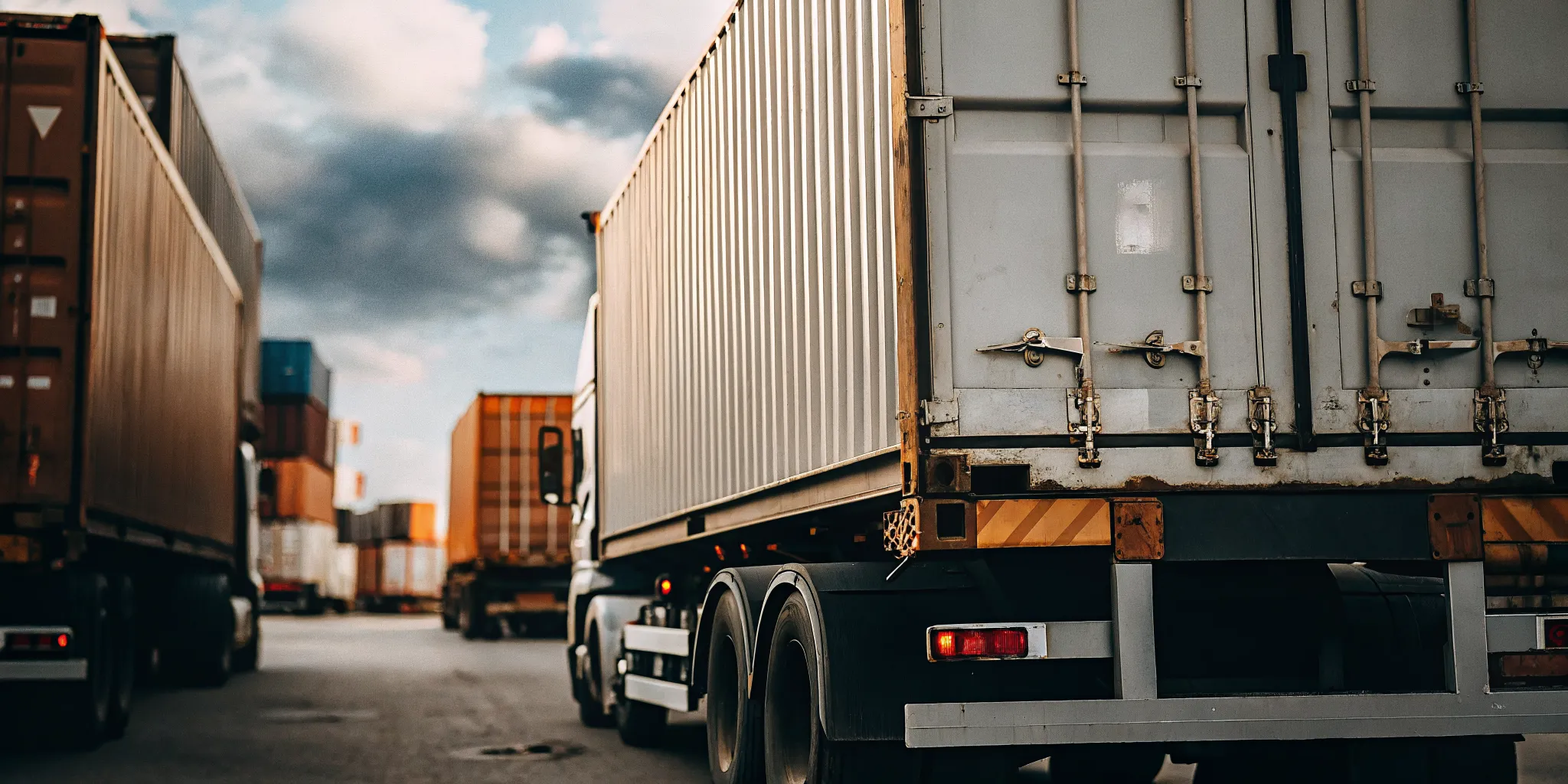
Thieves defeat weak seals using bolt cutters to snap plastic seals in seconds, gluing cut seals back together to hide tampering, and using cyber scams like double-brokering to steal entire loads without touching a single lock. Basic plastic seals break under as little as 40 kg of force and offer no real physical barrier against determined criminals.
Thieves today use many methods to steal cargo. They often look for the easiest path to get into a truck or container. If you use weak seals, you might make their job too simple. Basic seals do not stop a thief from opening your doors. They only show that someone touched the load after it is too late. To keep your goods safe, you must know how bad actors bypass these tools.
Physical Weakness of Thin Seals
Many firms use thin seals made of plastic or metal. These seals are not meant to block entry. They often have a very low pull strength of only 40 kg. This means a person can pull them apart by hand or use small tools. If a thief can break a seal in seconds, they can quickly take what they want. Weak seals fail because they offer no real tough wall against force.
Thieves also use tricks to make a broken seal look whole. They might cut the seal and then glue it back together. Some use heat to melt the plastic back in place. When a driver does a quick check, they might not see the damage. Check out our guide on a container lock vs security seal to find which one fits your needs. High-security bolt seals are much harder to cheat because they need heavy tools to cut.
Cyber Scams and Fake Load Boards
Modern cargo theft is not just about bolt cutters. The FBI says that cyber threat actors now use fake emails and web links to steal loads. These thieves pose as real firms to gain trust. Once they are in the system, they can redirect a load before it even leaves the dock. Thieves also use fake posts on load boards to trick shippers. They may pose as a real trucker but give false data to get the job. By the time the shipper finds out the trucker is fake, the goods are gone. These cyber scams let thieves steal whole truckloads without ever touching a lock.
System Tricks and Freight Fraud
Another common move is called double brokering. In this scheme, a thief poses as a trucker to accept a load. They then give that load to a driver who does not know the plan. The thieves then change where the load is going in the system. The FBI warns that thieves also update carrier contact info with the FMCSA to make their theft look like a legal move. Thieves look for the weakest link in your supply chain. If they cannot break your hardware, they will try to trick your team. Using weak seals only gives them more ways to win. A full safety plan must include strong seals and a way to check who moves your cargo. High-security seals and locks are a key part of a layered security approach that addresses both physical and cyber risks.
How High-Security Seals Reduce Cargo Theft Incidents
ISO 17712 certified high-security bolt seals resist breakage up to 1,300 kg of tensile force, require heavy cutting tools to remove, and show clear tamper evidence if compromised. Using serialized seals from a certified supplier like STiER creates an auditable chain of custody that deters both physical theft and seal-swapping fraud across the supply chain.
Cargo theft in North America has reached a new peak. The FBI reports that cargo theft losses in the U.S. and Canada hit nearly $725 million in 2025. This rise in crime makes strong security tools a need for every logistics company. High-security seals act as the first line of defense for shipping containers and truck trailers.
The role of ISO 17712 seals
To fight theft, most global trade routes now require seals that meet the ISO 17712 standard. These seals provide a physical barrier that stops quick break-ins. They also show clear signs of tampering if someone tries to open them. Using high-security shipping container seals helps firms follow CTPAT rules and keep their cargo safe from street-level theft. Strong seals do more than just lock a door. They create a record of trust for each load. If a seal is broken, the driver or warehouse team will know right away. This early warning is key for managing cargo theft North America statistics hotspots logistics teams watch daily. It allows for quick action before the goods disappear into the black market.
Comparing seal types and strength
Not all seals are built the same way. While plastic seals show if a door was opened, they offer no physical resistance. Bolt and cable seals are needed for high-risk loads. For example, the STiER BS-30C bolt seal has a 1,300 kg tensile strength. This means it needs heavy tools to remove. This slows down thieves and increases the risk of them getting caught.
| Seal Type | Material | Main Purpose | Security Level |
|---|---|---|---|
| Indicative Seal | Plastic or Thin Wire | Shows tampering only | Low (Breaks by hand) |
| Cable Seal | Steel Cable | Flexibility and strength | Medium to High |
| Bolt Seal | Hardened Steel | Physical barrier | High (Tool removal) |
Benefits of tamper evidence
Tamper-evident seals make any unauthorized access visible to the naked eye. This is vital because many cargo crimes happen when a truck is left alone at a rest stop or in a yard. When a seal is serialized and logged, it becomes much harder for criminals to swap it for a fake one. This layer of security is a core part of any plan to reduce cargo loss. By using ISO-certified hardware, firms can lower their risk and keep their insurance costs down. STiER focuses on these CTPAT-compliant tools to help businesses stay safe. In a market where theft is rising, having a strong seal is one of the best ways to protect your bottom line and your brand name.
Building a Layered Cargo Security Program for High-Risk Routes
A layered cargo security program combines route risk assessment, ISO 17712 certified seals matched to cargo value, serialized tracking of every seal, staff training on tamper detection, and vendor consolidation under one certified supplier. Most firms need 6 to 18 months to fully implement and certify a CTPAT-aligned program across their network.
Recent data on cargo theft north america statistics hotspots logistics show that one lock is not enough. In 2025, firms lost nearly $725 million to these crimes (FBI). You need a full plan to keep goods safe on the road. A layered security program helps you find and fix gaps in your supply chain with cargo protection solutions. By using many types of locks and technology, you make it hard for thieves to succeed. Our guide on cargo security and theft prevention covers the full program approach in detail.
Finding High-Risk Route Points
The first step to safety is to know where your cargo is at risk. Not all routes are the same. Some areas have much more crime than others. You should look at current maps of theft to see where to add extra locks. Thieves often target stops where drivers stay for long periods, like truck stops or rest areas. A clear map of your route helps you plan for the worst before it happens. This way, you can put your best tools where they are needed most.
High-value goods like food, drinks, and electronics need the most care. These items are easy to sell on the black market. If you ship these goods through hotspots, you should use bolt seals that meet ISO 17712 rules. These seals are hard to break by hand. They also show if someone tried to open them. Using the right tools for the right risk keeps your shipments moving without loss.
Following Global Safety Rules
Many firms follow CTPAT rules to speed up trade and boost safety. Setting up a full program takes time and work. Most firms need 6 to 12 months to set up new safety steps and tools. It can take another 12 to 18 months for the final check from CTPAT. This long process ensures that your cargo meets high safety goals across your entire network. Once you pass, you face fewer checks at the border and gain trust from your partners.
You should also look at merging your buy list. Buying from too many firms can lead to gaps in your safety. When you merge your buys, you get a single certified source for all your seals. This makes it easier to track your stock and keep quality high. One source means one point of trust for all your cargo needs.
- Assess route risk. Use new data to find where thefts happen most. Look for hotspots in cities or near major ports.
- Pick the right seal class. Match the seal to the value of your goods. High-value cargo needs ISO 17712 high-security bolt or cable seals.
- Use serialized tracking. Every seal should have a unique ID. Record these numbers in a digital log to spot any swaps during the trip.
- Train your staff. Teach drivers and dock crews how to check seals. They should look for glue, heat marks, or cuts at every stop.
- Create a response plan. Have a set list of steps for when a seal is broken. Follow clear cargo seal tampered liability response procedures to protect your firm.
- Consolidate your vendors. Buy all your security tools from one certified source. This ensures every seal you use meets the same high quality and rules.
Frequently Asked Questions
How much did the average cargo theft cost in 2025?
According to the FBI, the average cost of a cargo theft rose to $273,990 in 2025. This is a 36 percent jump from the year before. Total losses for the United States and Canada hit nearly $725 million. These high costs show that thieves now pick more costly goods to steal. Using strong locks and seals can help firms avoid these huge losses. It is vital to watch high-value loads closely.
Which specific goods have the highest risk of cargo theft?
Data from Munich Re shows that food and drink goods are stolen most often. These goods make up about 22 percent of all thefts. Other common targets include farm goods at 10 percent and electronics at 9 percent. Thieves like these items because they are easy to sell fast on the black market. Shippers of these goods must use extra care to keep their loads safe from theft.
Do cargo theft rates increase during major holiday periods?
Yes, cargo theft often goes up during major holidays like Memorial Day and July 4th. Reports from CargoNet show that thieves exploit the fact that loads sit still for longer periods. For example, over 220 thefts happened during Memorial Day breaks from 2021 to 2025. Shipping firms should plan for extra security during these long weekends. Making sure all trailers are locked and parked in safe spots is a key step to stop these crimes.
What role does double-brokering play in modern cargo theft?
Double-brokering is a trick where thieves pose as a real firm to take a load. They then hire another driver to move the goods but change the final destination. The FBI warns that this often involves fake emails and stolen accounts. This type of theft is hard to see until the cargo is already gone. Using high-security seals helps show if a trailer was opened at the wrong time. This makes it easier to catch the fraud.
What certificates should I look for in a cargo security seal?
When picking seals, look for ones with CTPAT and ISO 17712 certificates. These rules ensure that a seal is strong enough to resist force. STiER also holds ISO 9001 quality certificates to ensure every lock is made well. These seals are a key part of global trade safety rules. They provide a clear sign if someone tries to tamper with a shipment. Choosing certified hardware is the best way to keep your supply chain safe and following the law.
Ready to request a quote for high-security seals?
Every day you wait to secure your cargo, you risk huge losses from theft. Thieves look for easy targets, and weak seals can be cut in seconds. The cost of one stolen load is much higher than the price of better locks. If you act now, you can stop these losses before they happen to your business.
High-security seals keep your cargo safe and help you stay in line with trade rules. It takes just a few minutes to start your quote and get the help you need. You will feel better knowing your goods are safe from theft. Do not wait until a theft happens to improve your safety. Start today to get the best safety for your shipping team. We provide fast quotes so you can fix your weak spots right away.
Ready to request a quote? Request a quote for high-security seals and locks to talk to a security expert.