


Customs auditors look for small gaps in your seal logs that suggest a weak cargo security plan. A single missing serial number can lead to an inspection failure and hold up your entire shipment. You must prove your team follows strict rules to keep every container safe by aligning with CTPAT Cargo Seal Compliance: The Complete Guide for Importers and Exporters.
Request a free quote on CTPAT-compliant high-security seals to protect your shipments today.
Ctpat audit security seal inspection preparation is about more than just checking that your seals are locked. Passing an audit requires a clear paper trail for every seal in your shop. You must track each serial number from the time it arrives until it reaches its final stop. Auditors from Customs and Border Protection (CBP) check if your team uses the View, Verify, Twist, and Tug (VVTT) method. They also look for high-security seals that meet the ISO 17712 standards for cargo safety. To pass, you must show a secure storage plan and proof of staff training. Being ready means your team can find a tampered seal and report it fast.
Preparing for an inspection means knowing exactly how an officer will test your security plan. You need to understand every check they perform to keep your shipments moving without delay. We will look at the main parts of the site visit and show you What CBP Looks for During a CTPAT Seal Audit. The path begins with
Ctpat Audit Security Seal Inspection Preparation: What CBP Looks for During a CTPAT Seal Audit
A CTPAT audit helps keep your supply chain safe. When CBP staff visit, they want to see that you follow strict rules for cargo safety. They focus on how you handle, track, and use your seals. Knowing what they want helps with your ctpat audit security seal inspection preparation and keeps your goods moving without delay.
Physical Check of Seal Strength
The main goal of an audit is to prove that your seals are strong and not tampered with. Staff check if you use the View, Verify, Twist, and Tug (VVTT) method. This four-step check helps you find small errors before they become big safety risks. You must show that your team knows these security seal inspection and removal procedures to keep cargo safe.
Staff also look for marks that show the seal is legal. Every seal on a U.S.-bound box must meet the ISO 17712 high-safety rule to stand up to force. During your check, you should confirm that each bolt has the right rating stamped on its body. If the mark is missing or hard to read, the seal might not be right.
Records and Compliance Files
Files are just as vital as the physical seal. You must keep clear logs of every seal number that comes in or goes out of your dock. Staff will ask to see these files to match numbers with shipping papers. This chain of trust proves that you track your cargo from start to finish.
If you cannot find a record for a seal, it could lead to a fail. You should store your logs in a way that is easy to reach during a surprise check. Most firms use web logs to stay neat and cut down on errors. Good records show that you are a pro at keeping your safety tools.
Stock Count and Access Control
CBP wants to know that your seals are safe when they are not in use. They will check where you store your stock in a locked room. This stops theft or wrong use that could harm your load. A clear log of who has the keys is also a good idea.
You must also count your seals at least once a year to show you have control over your items. Track every seal from the day you buy it to the day it is cut. This shows CBP that your supply chain is tight and secure. Set counts find missing stock before it causes a hitch during a real audit.
The Most Common Seal-Related CTPAT Findings
Auditors look for weak spots in your supply chain during a CTPAT check. Many of the most common issues relate to how you handle security seals. These gaps can lead to fines or a lost status. To stay safe, you must treat your seals as high-value assets. This starts with knowing where they are at each step of the trip. You must also train your staff to spot signs of foul play. Being ready for a ctpat audit security seal inspection preparation can save you time and money.
Gaps in the Chain of Custody
A major audit finding is a broken chain of custody. Auditors want to see a clear path from when you buy the seal to when it is cut. Often, firms fail to track who had the seal in their hands. You must keep seals in a secure storage area until they are needed for a load. This spot should be locked and kept under watch. If your third-party partners do not follow these same rules, your whole chain is at risk. You should check that your partners have their own seal control plans. This helps make sure the seal stays safe from the factory to the port.
Issues with Seal Records
Another common problem is missing or wrong seal numbers on forms. The seal number must match the number on the Bill of Lading just right. If it does not, auditors may think someone tampered with the cargo. Good logs are a vital part of your high-security seals for CTPAT-compliant shipping plan. Your logs should show the date, time, and name of the person who put the seal on the door. You also need to keep track of your seal stock. CTPAT rules say you must count your seal stock at least once a year. Keeping these files ready can help you pass an audit without stress.
Lack of Proper Inspection Steps
Auditors often find that staff do not know how to check a seal well. They might skip the VVTT method, which stands for View, Verify, Twist, and Tug. This simple check ensures the seal is locked and has the right number. Without a set process, your team might miss a seal that was cut and then glued back. You should also check the box itself for holes or double walls. This is part of the 7-point check that CTPAT needs. When your team knows these steps, they become the first line of defense for your goods.
| Common Finding. | Risk Level. | Root Cause. | Primary Fix. |
|---|---|---|---|
| Broken Custody Chain. | High. | Poor partner oversight. | Audit 3PL partners. |
| Missing Seal Logs. | Medium. | Human error in logs. | Use digital tracking. |
| Wrong Seal Class. | Critical. | Buying non-ISO parts. | Buy ISO 17712 seals. |
| No VVTT Proof. | Medium. | Lack of staff training. | Log VVTT results. |
How to Document Your Seal Program for Auditors
Good records are the spine of any strong security plan. When an agent comes for a ctpat audit security seal inspection preparation review, they want to see that you follow your own rules. You must show a clear trail for every seal from the day it arrives to the moment it is cut. Solid records prove that your cargo stayed safe and that no one tampered with the load.
Good Seal Logs
A seal log is your main tool for tracking high-security hardware. You should record the serial number of every seal as soon as you receive it into your stock. Note the name of the person who took the seal and the exact date and time it was used. According to U.S. Customs and Border Protection, you should keep these logs for at least one year.
Your logs must also show where you store your items. Keep high-security seals for CTPAT-compliant shipping in a locked cage or safe. Only a few trusted staff members should have a key. Auditors will check these logs to ensure no seals are missing or used without a record. This level of detail shows that you take cargo safety to heart.
Compliance and Safety Papers
You cannot just say your seals are strong. You must have the records to prove they meet the ISO 17712 high-security standard. CTPAT rules require members to keep these papers on file for every batch of seals they buy. If an auditor asks to see proof of strength, you should be able to find it in seconds.
These papers come from the maker of the seal. They show that the seal passed tests for impact, tension, and shear. Keeping these files neat makes your audit go much faster. It also helps you spot if a vendor sends you a part that does not meet the right grade. Checking security seal applications for CTPAT compliance before you buy helps keep your supply chain safe.
Chain of Custody Records
Every time a seal is put on or taken off, someone should write it down. You should record the name of the person who applied the seal and the person who watched it happen. Having a witness is a key part of security seal inspection and removal procedures. This two-person rule helps stop internal theft and errors.
Your records should also note that you used the View, Verify, Twist, and Tug method. This method helps you check that a seal is properly closed and not broken. If a driver or guard finds a broken seal, they must report it right away. Document the report and the steps you took to fix the issue. Clear notes on these events show auditors that your team knows what to do in a crisis.
Training Your Team on CTPAT Seal Procedures
Safe shipping starts with a team that knows the rules. For CTPAT members, regular training is required for all staff who touch security seals. This includes warehouse workers and dock crews. When your team follows a clear plan, you reduce the risk of theft and cargo tampering in all security seal uses for CTPAT compliance. This training, aligned with the core framework of CTPAT Cargo Seal Compliance: The Complete Guide for Importers and Exporters, also helps your site get ready for a good CTPAT audit.
Building Your Training Plan
A good training program covers more than just how to lock a door. It should start with basic security rules and background checks. Staff must understand that every high-security bolt seal they use is a vital tool. You should show them how to check for ISO 17712 marks. These marks prove that the seals meet the high standards found in ISO 17712 rules for global trade.
Your team also needs to know where seals are kept. All seals should stay in a locked area that is hard to reach. Giving seals to specific people helps create a clear chain of control. This way, you always know who had which seal and when it was used. Clear rules help stop internal theft and make your supply chain much stronger.
Step-by-Step Seal Handling
You should walk your team through the full process of using a seal. Each step must be done right to keep your cargo safe. Use these steps to build your internal guide for security seal inspection and removal procedures.
- Check the Seal: Verify that the seal is new and has a unique number. Look for the "H" mark that shows it is a high-security seal.
- Inspect the Container: Perform a 7-point check on the empty container. Look for hidden walls or false floors that could hide banned goods.
- Apply the Seal: Place the seal on the primary locking bar of the right-hand door. A second person should always watch this step to ensure it is done right.
- Verify the Fit: Use the VVTT method. You must View the seal, Verify the number, Twist it to check for gaps, and Tug it to ensure it is locked.
- Log the Data: Write down the seal number, container number, date, and time. Also, record the name of the person who put the seal on the door.
- Report Issues: If a seal is broken or the numbers do not match, stop the shipment. Tell a manager and report the issue to agents right away.
Mastering the VVTT Method
The VVTT method is the best way to check a seal. It stands for View, Verify, Twist, and Tug. This simple check helps your team find seals that were not closed all the way. It also helps them spot seals that were cut and glued back together. Train your staff to do this check every time a container moves between sites.
By teaching these skills, you make security a part of your daily work. This active plan shows auditors that you take CTPAT rules seriously. It also protects your brand and your customers' goods from the risks of global shipping.
What is the CTPAT VVTT Method for Seal Inspection?
The View, Verify, Twist, and Tug (VVTT) method is a key part of ctpat audit security seal inspection preparation. U.S. Customs and Border Protection (CBP) suggests this path to make sure a seal is whole and shut tight. By following these four steps, teams can find signs of tampering before a truck leaves. This check keeps goods safe from the start of the trip to the end.
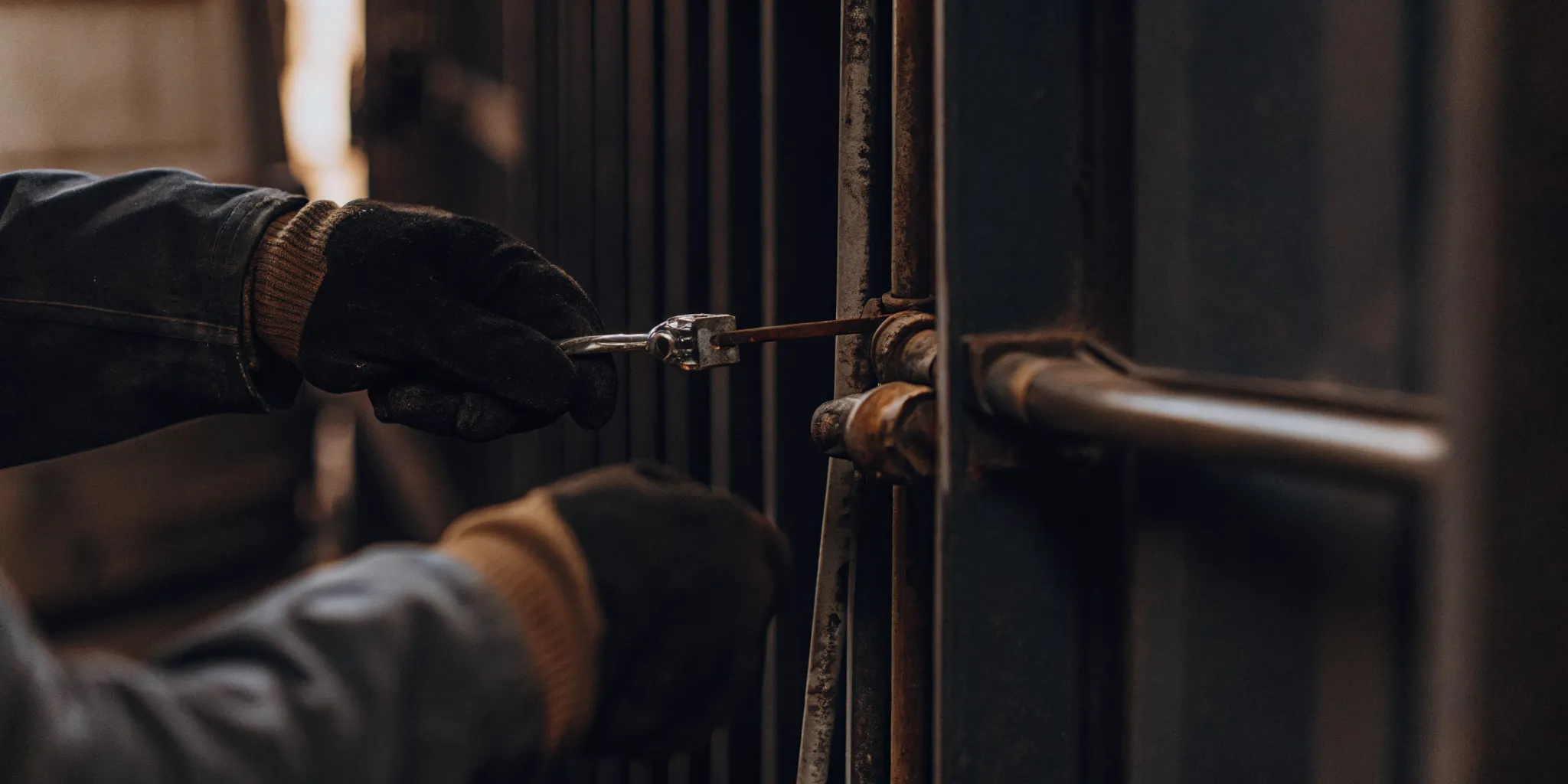
Using the VVTT method shows that your staff knows how to handle cargo. It helps keep your CTPAT status in good standing. It also makes sure that you only use high-security seals for CTPAT-compliant shipping. Each step of this test serves a clear goal in your security plan.
Check for signs of harm (View)
The first step is a quick look at the seal and the door bars. Staff must look for glue, odd marks, or cuts on the seal body. They should also check the door joints for any signs that someone tried to get past the lock. A full check means looking at the area for loose parts or signs of force.
If a seal looks bent or has deep marks, it might be broken. During security seal inspection and removal procedures, writing down these signs is a must for your records. This step is your first way to find a bad load. It stops small risks from becoming big problems for your business.
Check the seal ID (Verify)
After the look, the staff member must match the seal ID to the shipping papers. Every seal used for CTPAT work has its own ID number. If the number on the seal does not match the manifest, the load is at risk. This error is a sign that the seal was swapped or changed.
This part of the test also checks that the seal meets high standards. All CTPAT seals must meet the ISO 17712 rule for high security. This check helps your team find small errors or clear fraud early. It ensures that the right seal is on the right container every time.
Test the seal lock (Twist and Tug)
The last two steps use force to test the lock. To "Twist," the worker should try to turn the seal parts. A good bolt or cable seal should not spin or come apart with just a hand turn. If the parts move, the seal might not be shut all the way. It could also be a fake seal that is meant to look real.
The "Tug" step means giving the seal a firm pull. This move proves that the lock is clicked into place. These tests are vital because a seal can look shut but fail to hold. Training your team on these moves keeps them ready for a CTPAT audit. It also keeps your cargo safe as it moves across the world.
Are CTPAT-Compliant Security Seals Required to be ISO 17712 Certified?
Yes, all CTPAT members must use security seals that meet the ISO 17712 high-security standard. This is a hard rule for any container bound for the United States. During a ctpat audit security seal inspection preparation, you must show that your seals are the right class. This means they must have an 'H' mark for high security. Using the wrong seal can lead to big delays or fines at the border.
High Security Class Rules
The ISO 17712 standard sorts seals into three groups. Only the high-security class is okay for CTPAT use. These seals must have a metal pin or cable with a width of at least 18 mm. This size helps ensure the seal can stand up to force. You should check each seal for the 'H' stamp before you put it on a container. This simple step is a key part of your security seal applications for CTPAT compliance plan.
According to U.S. Customs and Border Protection, these seals must be used on all loaded containers. This helps keep the supply chain safe from theft or harm. It also makes sure the cargo is not changed during its trip. If a seal does not have the right mark, it will not pass a CTPAT check.
Strength Testing and Standards
To get the high-security rating, seals must pass four main tests. These tests measure how much stress a seal can take before it breaks. Labs test for pulling power, also called tensile strength. They also check shear strength, which is cutting force. Bending and impact tests make sure the seal stays in one piece during rough handling. These mechanical tests are needed to prove the seal is strong enough for sea and rail trips.
The standard also includes rules for tamper evidence. This is known as Clause 6. It means the seal must show clear signs if someone tries to open it. Auditors will look for these signs during a spot check. If your seals do not meet Clause 6, they are not truly compliant. You must keep records that show your seals passed these specific tests.
Maker Paperwork and Audit Proof
It is not enough to just buy a seal that says it is compliant. You need the right paperwork to prove it. Seal makers must hold an ISO 9001 quality mark. This shows they follow a strict plan to make good parts. Also, the lab that tests the seals must be accredited under ISO/IEC 17025. This proves the test results are fair and accurate. Without this proof, an auditor might reject your entire seal lot.
We help our clients by providing all the needed paperwork in one package. Our security seal inspection and removal procedures can also help your team stay ready for an audit. Keeping these documents on file is a key part of CTPAT rules. This early approach saves time and keeps your goods moving across borders without a hitch.
How to Choose a Seal Vendor That Supports Audit Readiness
Picking the right seal vendor is a key part of your security plan. It is not just about buying a part. It is about finding a partner that helps you stay compliant. A good vendor makes your ctpat audit security seal inspection preparation much easier. They give you the tools and the proof you need to pass your next check with no stress.
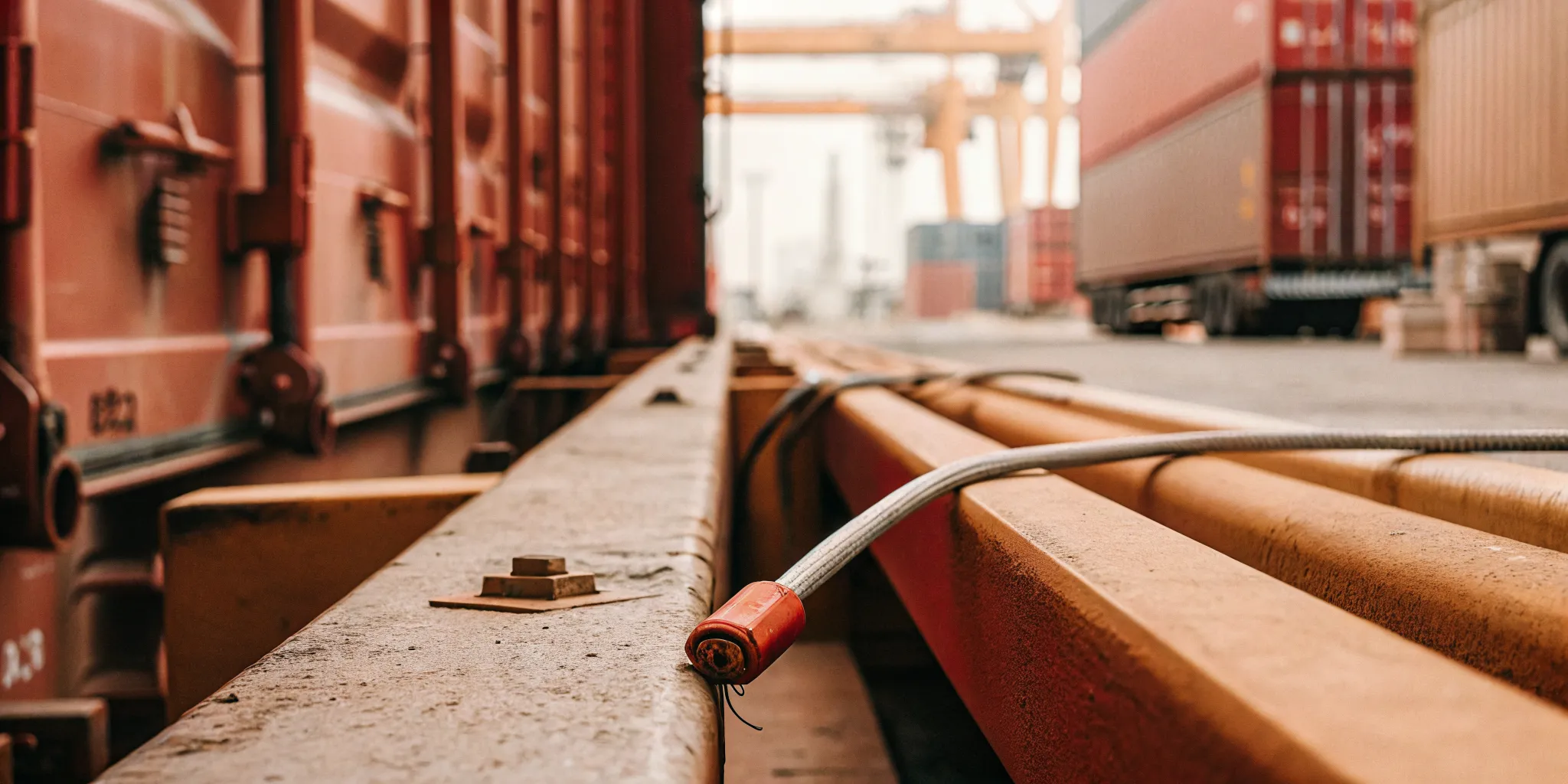
Look for full compliance documentation
Auditors do not just look at your seals. They look at your paperwork. You must show that every seal you use is up to code. U.S. Customs and Border Protection (CBP) says that documentation about the compliance standard must be kept for verification. If you do not have these files, you could fail your audit.
Your vendor should give you these records as soon as you buy. This includes ISO test reports from a third party. They should also give you papers to prove the seals are legal. It is best to choose a vendor that keeps these files online for you. This way, you can get them fast when an auditor asks. Having this data ready shows that you take cargo security seriously.
Verify quality and security certifications
A great vendor should have strong proof of quality. The most vital one for cargo is ISO 17712. CTPAT rules say you must use seals that meet ISO 17712 standards for high-security seals. You should check that the vendor's products are tested to this high level.
You should also look for ISO 9001 status. This proves the vendor has a steady way to make their goods. It means the seal you get today is as strong as the one you got last year. Look for clear marks on the seals too. Each one should have a unique serial number and a maker mark. Using high-security seals for CTPAT-compliant shipping ensures your seals are built to last and meet all legal needs.
Focus on vendor consolidation and support
Using many vendors can make your work hard. It is better to use one source for all your security seals. This is known as vendor consolidation. It helps you keep your records in one place. It also makes it easier to track serial numbers from the factory to your site. This simple step can save you hours of work during an audit.
Choose a vendor that gives you more than just a box of seals. Look for "Compliance Bundling" services. These bundles include the seals and the digital data for your logs. A good vendor will help you set up a way to track your stock. This is helpful for your yearly audit and for daily checks. When your vendor acts like a partner, they help you build a safer supply chain.
Frequently Asked Questions
Are CTPAT-compliant security seals required to be ISO 17712 certified?
Yes. All CTPAT members must use security seals that meet the ISO 17712 high-security standards. This rule ensures that every seal used on a U.S.-bound container is strong and hard to break. According to the CBP, these seals must be used on all loaded containers and trailers. Keeping these seals on hand and in a safe place is a key part of staying safe and following the rules of the program.
What is the CTPAT VVTT method for seal inspection?
The VVTT method stands for View, Verify, Twist, and Tug. It is the best way to check if a seal is safe and working right. First, you view the seal to look for damage. Next, you verify the ID number. Then, you twist and tug the seal to make sure it is locked tight. The CBP says to use this four-step process to stop theft and keep your supply chain safe. Doing this helps you pass checks with ease.
How often must seal inventories be conducted for CTPAT audits?
You must check your seal count at least once every year. This check is a main part of your internal audit for the CTPAT program. During this time, you should count all your seals and check your logs to find any missing items. The CBP rules state that keeping good records helps show that you take cargo security in a real way. It also helps you spot problems early so you can fix them before a real audit starts.
What should I do if a security seal is tampered with?
If you find a seal that was tampered with, you must act fast. First, write down the damage and take clear photos of the seal. Do not move the cargo until you finish your report. You must tell the CBP or local law right away. This step helps protect your business from fines and stops illegal goods from moving through the supply chain. Always follow your company's safety plan for these events to keep your goods safe.
Ready to request your free security seal samples and quote?
Failing a CTPAT check costs your firm time and money today. It hurts your good name and leads to long delays at every border your goods cross. If you do not have the right seals in place, you risk losing your status as a partner. Starting your prep work today gives you time to find gaps and fix them now. You can ensure every container seal stays very safe and compliant.
Ready to request your free security seal samples and quote from our team now? Contact the team at STiER Security Seals today to request your free security seal samples and quote today and keep your cargo safe and secure.