


Food and agriculture importers manage two related but different risks during transit: unsafe transportation conditions and unauthorized access to cargo. For teams researching food agriculture cargo seal requirements fsma usda compliance importers, the key is to separate those risks while documenting how they interact.
Food agriculture cargo seal requirements should support a broader FSMA and USDA compliance program. They do not replace sanitation, temperature control, inspection, or import documentation. FSMA addresses sanitary transportation practices for covered food movements. USDA programs govern specific imported commodities and inspection pathways.
A cargo seal helps connect those controls to a visible chain-of-custody record. The record shows who secured the load, which serialized seal was used, whether it was intact at handoff, and what happened when it was not.
Request a documented cargo-seal solution for your food import program.
How Can Importers Apply Food Agriculture Cargo Seal Requirements for FSMA and USDA Compliance?
FSMA sanitary transportation rules require covered parties to use transportation practices that prevent food from becoming unsafe, including controls for vehicles, equipment, operations, training, and records. The rule does not create one universal seal specification for every shipment. A seal is useful when it supports the shipper's documented access-control and tamper-evidence procedures.
The FDA's FSMA Final Rule on Sanitary Transportation applies to shippers, loaders, carriers, and receivers in the circumstances described by the regulation. Its focus is sanitary condition and prevention of contamination, not simply whether a trailer door is locked. Therefore, a compliant seal program should sit beside, not replace, controls for cleaning, temperature, loading, segregation, and response to an incident.
- Define when a seal is applied, checked, removed, or replaced.
- Assign responsibility for recording the seal number and shipment identity.
- Keep the seal record with the bill of lading, load record, or other traceable shipment documentation.
- Require escalation when a seal is missing, cut, mismatched, or otherwise inconsistent with the record.
- Train relevant employees and carriers on the procedure before they handle the load.
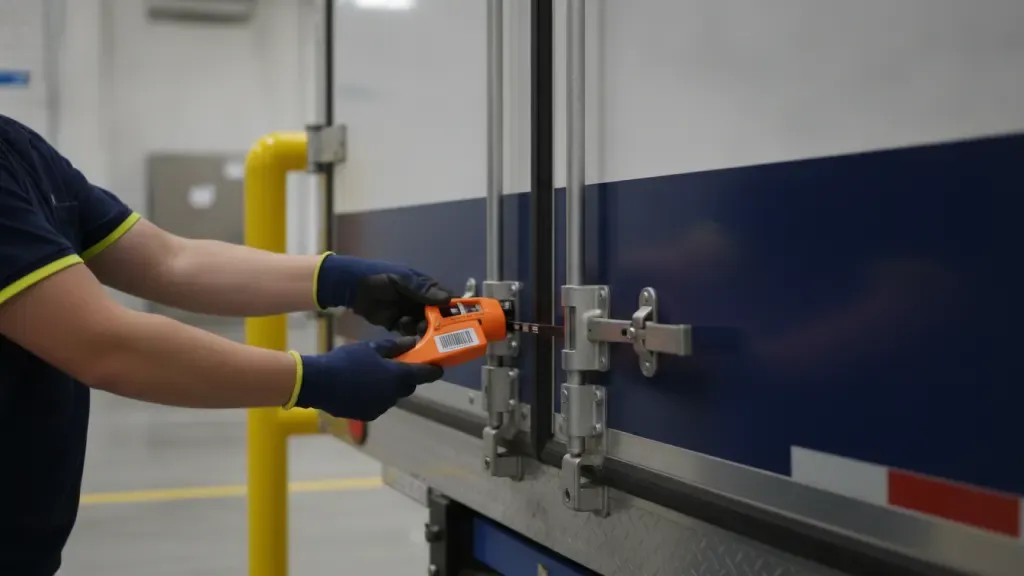
The right control depends on the cargo and route. A serialized bolt seal may be appropriate for a container or trailer door when tool-required removal and a high-security standard are needed. A cable seal can serve doors, hatches, or other access points where the physical configuration requires flexibility. An indicative plastic seal may fit a lower-force closure where visible tampering evidence is the objective. Product selection should follow the documented risk, not an assumption that one seal type satisfies every FSMA duty.
Which USDA Import Seal Requirements Should Produce and Meat Importers Know?
USDA import requirements vary by commodity and program. Meat, poultry, and egg products entering the United States follow FSIS requirements. Animal products and other agricultural commodities may involve APHIS, Customs and Border Protection, or additional authorities. The practical seal requirement is therefore a documented control that matches the commodity, inspection pathway, facility, and security program.
For meat, poultry, and egg products, importers should start with the USDA FSIS import guidance and the applicable product-specific rules. FSIS guidance addresses eligible countries and establishments, certification, labeling, inspection, and entry procedures. A seal number can strengthen the shipment record, but it does not replace an official certificate, an inspection, an approved establishment, or a USDA mark of inspection.
For animal-derived materials, USDA APHIS animal-product import guidance explains that permits, disease controls, and Customs and Border Protection review may apply. That pathway may be different from a food product regulated through FSIS. Procurement and compliance teams should ask:
- Which USDA program has jurisdiction over the commodity?
- Which foreign country and establishment eligibility rules apply?
- Where is the load sealed, and who controls the seal before entry?
- Which facility or agency may open, inspect, or replace the seal?
- Which records must be retained if the cargo is held, refused, or diverted?
This distinction prevents a common mistake: treating a security seal as proof that a shipment meets all USDA requirements. The seal documents an access event. It does not prove product eligibility, sanitary condition, labeling, biological safety, or inspection status.
How Should Importers Select and Document Seals for FSMA Sanitary Transportation?
Importers should choose a seal by mapping the cargo's access points and risk controls, then documenting how the seal number connects to the shipment. The objective is a repeatable record that a receiver can check quickly and an investigator can reconstruct later. The seal must be fit for the door or closure and consistent with the threat level, route, and removal procedure.
A practical selection review covers five questions:
- What is being secured? Identify a container door, reefer trailer, compartment, hatch, tote, bag, or other access point.
- What evidence is needed? Decide whether visible indication, unique serialization, tool-required removal, or a higher-security classification is necessary.
- Who will inspect it? Make the number and seal condition easy for shippers, carriers, receivers, and inspectors to verify.
- How will exceptions be handled? Define the required response to a mismatch, broken seal, late arrival, inspection opening, or replacement.
- What documentation must be retained? Connect the seal record to the load, lot, bill of lading, inspection record, and any temperature evidence.
Use serialization to make the record specific. At minimum, capture the seal number, shipment or container identifier, application time, application location, responsible employee, and destination. At receipt, record the seal condition and the person completing the check. If the seal is removed or replaced, retain the original number instead of overwriting it.
For CTPAT participants, the CBP recommended seal procedures provide useful context for written policies, seal integrity, number verification, and reporting tampering or theft. These recommendations should be coordinated with the company's FSMA food-safety procedures rather than copied without considering the commodity and route.
Ask STiER for serialized seals, specifications, and documentation matched to your shipment volume.
Can One Seal Program Support Both FSMA and CTPAT Compliance?
One controlled seal program can support both food-safety transportation records and supply-chain security, but the program must keep the responsibilities distinct. FSMA focuses on sanitary transportation and preventing adulteration. CTPAT focuses on supply-chain security and documented protection against unauthorized access. A shared workflow can reduce duplication while preserving both evidence streams.
| Control area | What the seal can document | What it cannot prove |
|---|---|---|
| Access control. | Which serialized seal was applied and whether it was intact at a checkpoint. | That no one accessed the load before the seal was applied. |
| FSMA transportation record. | A traceable event to pair with loading, handoff, and receiving records. | Sanitary condition, cleaning, or temperature compliance by itself. |
| CTPAT security procedure. | Seal number verification, exception reporting, and controlled replacement. | Compliance with every CTPAT criterion or partner requirement. |
| Cold-chain evidence. | Evidence that the access barrier was not visibly disturbed. | Temperature history, product core temperature, or logger accuracy. |
For a combined program, create one standard operating procedure with separate sections for sanitation, security, and temperature. The handoff record can reference the same shipment identifier, but it should preserve each evidence stream. The live cold-chain security seal guide explains why a seal and a temperature logger should be reviewed together rather than treated as interchangeable controls.
Also connect the program to the broader supply chain compliance and security operations guide when that pillar is available for review. That planned hub covers the larger control environment; this article stays focused on food and agriculture importer workflows.
How Can a Certified Seal Vendor Help Meet Documentation Requirements?
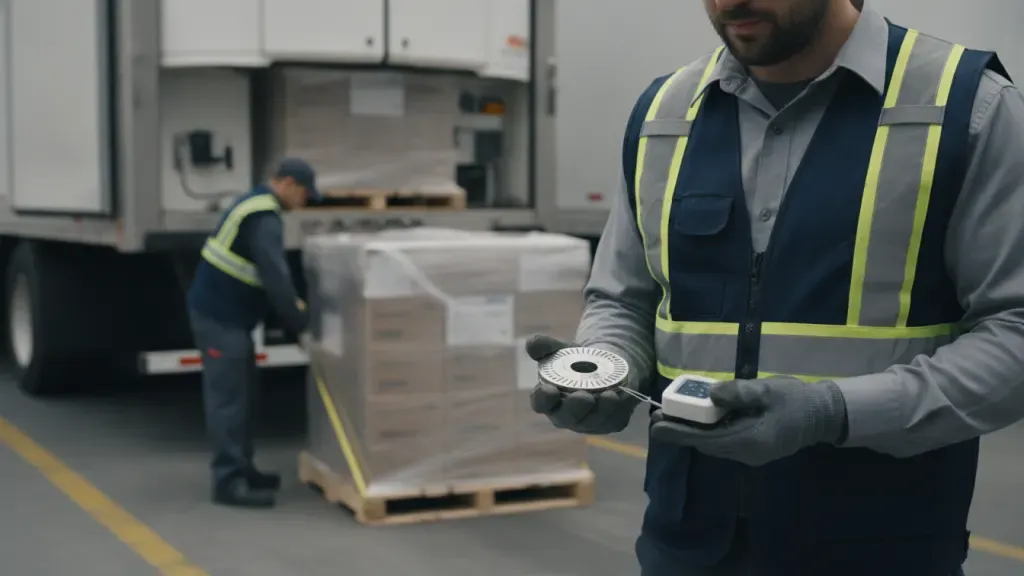
A qualified seal vendor can make a compliance program easier to operate by providing consistent products, serialization, specifications, and documentation. The importer remains responsible for choosing the control and applying it correctly, but vendor records can support purchasing, training, investigations, and audits.
When evaluating a supplier, request:
- Product specifications that identify the seal type, materials, dimensions, and removal method.
- Serialization options that fit the company's shipment and inventory records.
- Certification and test documentation when a high-security seal standard is required.
- Packaging and labeling that reduce counting and receiving errors.
- Customization options for a logo, barcode, color, or other approved identifier.
- Quote terms that separate product, customization, volume, and delivery assumptions.
STiER Security Seals supports logistics and supply-chain buyers with serialized security seals, bolt seals, cable seals, plastic seals, and locking hardware. Its positioning combines DoubleLock affiliation with CTPAT, ISO 17712, and ISO 9001 credentials where relevant to the product and program. Buyers should still request the exact documentation for the product configuration and intended use, then retain it with their supplier qualification records.
A strong vendor review also tests operational fit. Can the supplier reproduce the numbering format? Can the buyer obtain replacement documentation? Can the product be applied and inspected consistently across facilities and carriers? Can a quote reflect volume and customization without inventing a one-size-fits-all assumption? These questions are more useful than selecting a seal from a catalog without defining the procedure around it.
What Should a Food Importer Check Before Shipping?
Before shipping, confirm that the food safety, import, security, and recordkeeping controls agree with one another. A short pre-dispatch review can prevent a seal mismatch from becoming a receiving delay or an investigation with missing evidence.
- Confirm the commodity, USDA pathway, eligible origin and establishment, and required import documents.
- Confirm the carrier, trailer or container, loading location, and responsible sealing employee.
- Choose a seal that fits the closure and record its unique number before departure.
- Record the shipment identifier, seal number, time, place, and person applying the seal.
- Give the carrier and receiver clear instructions for checking the seal and escalating exceptions.
- Keep temperature records and seal records separate but connected to the same shipment.
- Document every authorized opening, inspection, replacement, and final removal.
For a practical review of broader cargo controls, compare the live CTPAT compliance documentation and seal vendor records guide. It covers the audit trail around seal inventory, testing evidence, and supplier documentation without suggesting that a seal replaces an agency inspection or food-safety control.
What Are the Most Common FSMA and USDA Cargo Seal Mistakes?
Most failures are process failures rather than a problem with the physical seal. Teams buy a suitable product but fail to define who applies it or who verifies it. They may also overlook what happens after an inspection opening or how the exception connects to the shipment record.
- Assuming FSMA mandates one universal seal model.
- Using a seal number without connecting it to a container or shipment identifier.
- Replacing a damaged seal without preserving the original number and reason.
- Using a seal as evidence of temperature compliance.
- Failing to train a carrier or receiver on the inspection procedure.
- Keeping supplier certificates but not keeping the operational seal log.
- Writing a security procedure that conflicts with the USDA inspection or hold process.
Fix these gaps with a controlled procedure, a practical seal log, and periodic reviews of exceptions. If the process changes because the commodity, route, carrier, or facility changes, update the procedure and retrain the people who perform the work.
Frequently Asked Questions About Food Cargo Seals
Does FSMA require a specific cargo seal?
No single seal model applies to every food shipment. FSMA sanitary transportation requirements focus on preventing contamination and maintaining safe transportation conditions. A seal should support the documented access-control process for the specific shipment.
Do USDA food imports need serialized seals?
A serialized seal can support traceability and exception investigations, but requirements depend on the commodity, agency pathway, facility, carrier, and security program. Confirm product-specific requirements with the responsible USDA program.
Are cargo seals a substitute for temperature monitoring?
No. A seal provides access evidence. A validated logger or other monitoring method provides temperature history. Keep both records when the product or process requires them.
What should an importer record when a seal changes?
Record the original and replacement numbers, date, location, reason, authorization, people present, cargo condition, and related inspection or temperature evidence.
How can a seal supplier support an FSMA and USDA program?
A supplier can provide serialized products, specifications, certification documentation where applicable, consistent packaging, and quote support. The importer still owns the procedure and must verify fit.
Request a quote for serialized security seals and compliance documentation from STiER.